Fitch-Hoose House Museum Opens in Dalton
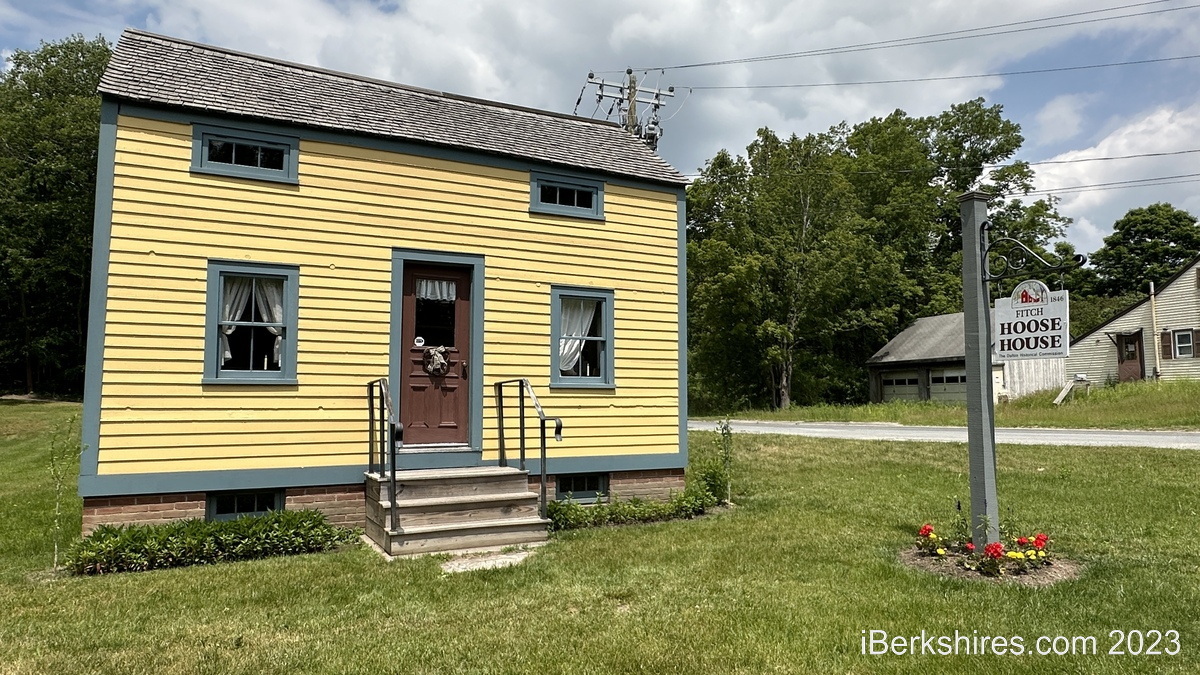
DALTON, Mass. — The historic Fitch-Hoose House Museum, on 6 Gulf Road, is open for the season every Saturday from 1 until 3 p.m. through September. Admission is free.
The house was built in 1846 and is the last remaining home of Dalton's early Black residential neighborhood.
The 177-year-old two-story house is listed on the National Register of Historic Places. It is believed to have been active on the Underground Railroad.
Items found during an archeological dig conducted by the University of Massachusetts are on display along with art made by George Hoose, who died in 1977 at age 80. Hoose also painted the "Indian Head" painting on Gulf Road.
The commission hopes to offer an outside gallery of works by Hoose sometime in September.
A wide range of information has been gathered surrounding the Hoose family that is also on display.
Each of the tour guides is part of the Historical Commission and many of them have ancestors who shared stories with them about the Hoose family so are able to give accounts that can not be found in books.
Historical Commission member Carolina Galliher had once told a tour of schoolchildren how when her mother was young, she would walk down the street with her father and listen to the Hoose family play their fiddles, said co-Chair Deborah Kovacs
Dalton residents with deep familial ties to the area donated items that they were given or bought from the Hoose family.
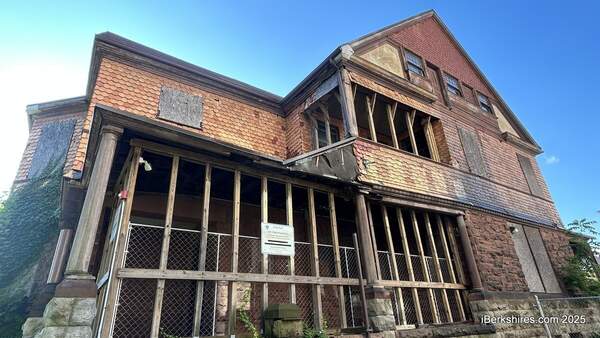
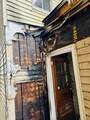
The home was occupied by the Hooses until at least 1988; the town took possession of the once abandoned and rundown property in 2004 and it was facing demolition.
The historical society came to the realization that not many people know about the part Dalton played in aiding the flight of enslaved people despite the Fugitive Slave Law.
The Fitch Hoose-House speaks for fairness, equality, freedom and honors the Hoose family and others who came to the area looking for a safe haven, Kovacs said.
The reason the Historical Commission worked tirelessly to save the home is because most of the house is original. The architecture and items left behind show how people lived back then, and how people in poverty built homes, co-Chair Louisa Horth said.
Kovacs agreed with this sentiment, adding that it was almost like a "miracle" that a Black family could buy a home before the Civil War.
"The fact, too, that someone of color could buy a house in 1846, before the Civil War even happened, which was over slavery, it was amazing," she said.
Through research and collaboration with the community and organizations like Hancock Shaker Village and UMass the commission has brought to life a scattered history and reunited members of the Hoose family with their ancestry, Kovacs said.
After being built by William Bogart, the house was immediately sold to an ex-slave, Henry Fitch, who died after only living in the house for a couple years.
The home went through a variety of owners, including local papermaking magnate Zenas M. Crane until it was purchased in 1868 by Charles Hoose.
It was occupied by the Hoose family, Charles and Ellen and most of their 13 children, for three generations.
One of its occupants, Edward Hoose, served in the Massachusetts 54th Volunteer Infantry in the Civil War.
A lingering memory of what was once a thriving African-American neighborhood dating from before the Civil War that included freed and escaped slaves, the house hides a deep history of family and freedom.
In 2014, the Historical Commission got a grant from the "Promoting Community Development and Tourism in Central and Western Massachusetts" program in the amount of $180,000 grant to restore the Fitch-Hoose House.
The back addition, which had a kitchen and bedroom, was taken off several years ago because of its condition but was added back on during the restoration.
Over the years the home has gone through a variety of changes, from the color to the now gone vinyl siding but the commission worked to make the exterior historically accurate.
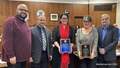
In 2019, the Fitch-Hoose House received the Massachusetts Historical Commission Preservation Award for the restoration of the historic home.
Tags: historical building, historical museum,
.jpg)