Electric Fencing Offers Protection Against Chicken Predation
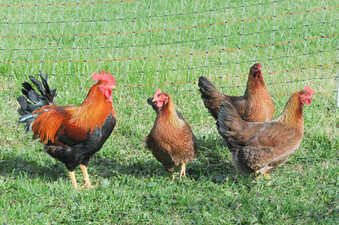 |
MONTPELIER, Vt. — Keeping a small flock of chickens at home to provide eggs and meat has become increasingly popular, but many first-time small-scale poultry farmers are discovering that several species of wildlife like the taste of chicken as much as we do.
The Vermont Fish and Wildlife Department urges poultry owners to use electric fencing and follow other precautions to protect their birds from predation.
"We are receiving reports about bears, foxes, raccoons, fisher, coyotes, skunks, and bobcats preying on chickens," said Jaclyn Comeau, Vermont’s bear biologist. "Many of the calls will be coming from people who are new at keeping chickens and who do not provide sufficient protection for their birds."
"In 2022, we received 178 reports of bears getting after chickens. This number has been increasing in recent years with an average of 31 reports per year from 2011 to 2017 and an average of 126 reports per year from 2018 to 2022."
Comeau urges people to keep their chickens contained inside electric net fencing and to make sure any wire fencing is secure. Use of one-quarter-inch hardware cloth, especially along the bottom of an enclosure will block most small predators. Weasels can get through a one-inch opening. The electric netting, however, is good extra protection even outside the wire netting – especially against black bears which are strong enough to break into most unprotected chicken coops. Several types of electric net fencing are available. The netting is portable and can easily be used with moveable chicken pens.
Here are additional tips to help keep your chickens safe:
- Baiting the fence is necessary to guarantee bears touch the fence with a sensitive part of their body. Apply bacon grease or peanut butter to a spot on the electric fencing..
- Cover the tops of pens with wire or plastic netting to guard against attacks from avian and climbing predators.
- Bury galvanized hardware cloth or netting 12 inches deep around the perimeter of the pen to prevent access by digging predators.
- A motion-activated light to illuminate the coop after dark will discourage some predators. Motion-activated alarms also can help deter them.
- Store poultry feed in a secure indoor location in tight containers, and only feed poultry the amount that can be consumed in one feeding.
- Keep the grill clean, and remove any other attractants such as bird feeders, pet food and garbage.
Vermont Fish and Wildlife has more helpful information about Living with Black Bears on their website www.vtfishandwildlife.com. If you are having a problem with bears, please fill out the Bear Incident Report form on that page.

Tags: chickens,