Q&A: Muslim Journalist Seeks to Build Understanding in Saturday Talk
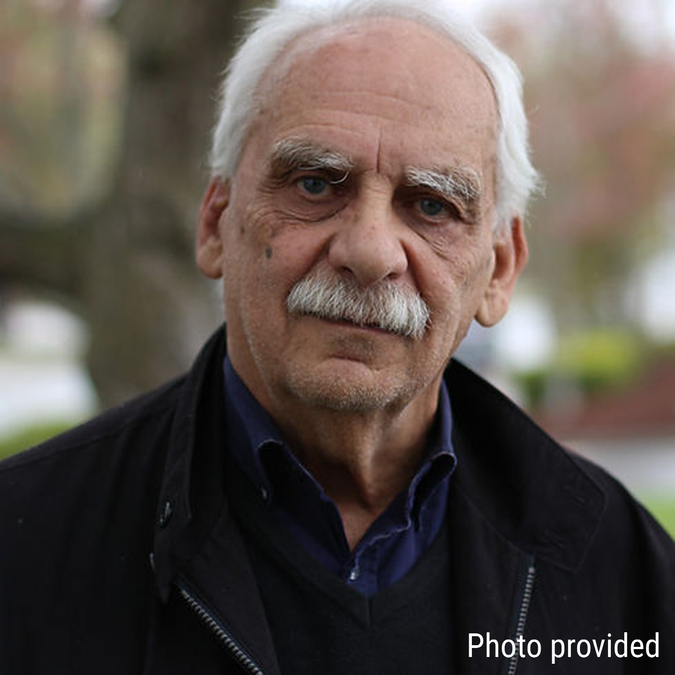
Robert Azzi
He does hope they will be open to appreciating different perspectives.
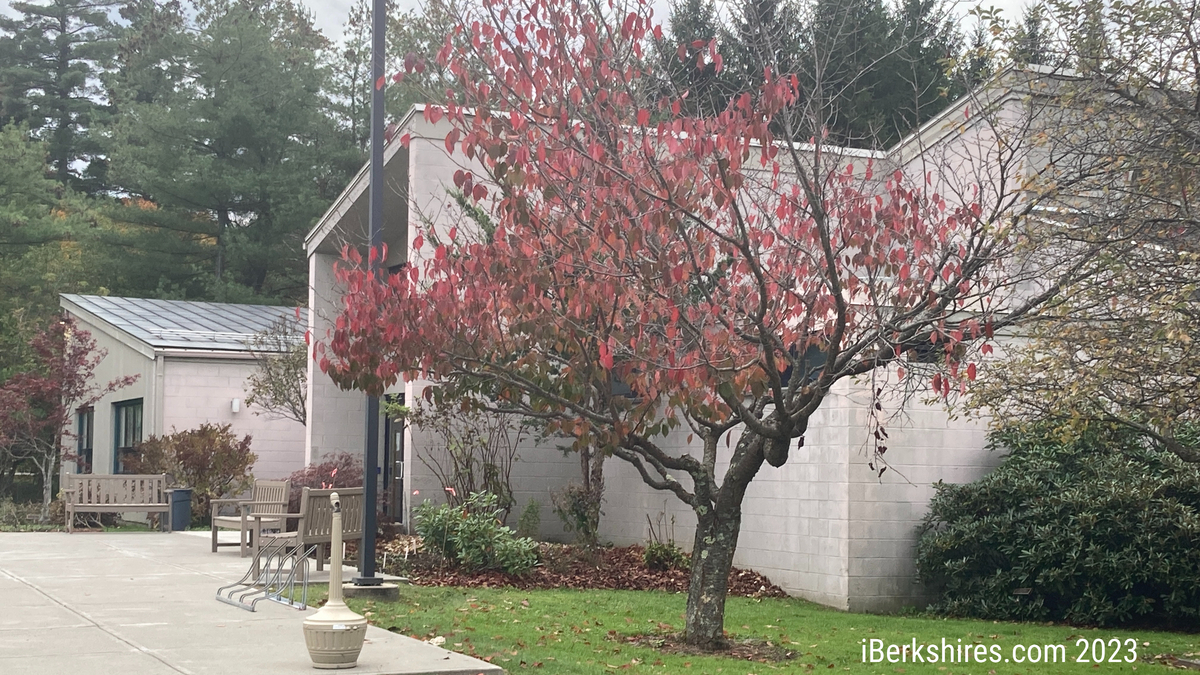
The photojournalist and columnist from New Hampshire's Seacoast Region, will be at the Milne Public Library on Saturday to present a program he has titled "Ask a Muslim Anything."
It is a talk he has delivered hundreds of times but not usually against a backdrop of war being raised between Israel and the largely Muslim region of Gaza.
Azzi recognizes that current events may color the conversation. But his talks are not about politics or even, necessarily, the theology of Islam.
Rather, they're about people: building understanding of others and bridging differences.
As Azzi puts it on his website, TheOtherAzzi.wordpress.com, "I speak not as a scholar or academic but as neighbor, fellow citizen, person of faith."
He will be speaking at the Milne from 1 to 2:30 on Saturday. Before his trip to the Berkshires, he spoke with iBerkshires about the genesis of "Ask a Muslim Anything," what the program has brought to others and what it has taught him.
Question: How long have you been doing this program?
Azzi: It's been about five years, but it was really slow for the two years of the pandemic. I don't like doing it on Zoom. I tried it. But it's really important to be in the presence of people asking sensitive questions. You can talk to people but you don't feel safe with them in the same way.
Q: Did you have experience public speaking before you started doing it?
Azzi: No. I just started doing it because I got asked to do it, and it sort of went from there.
Q: How many times have you done it?
Azzi: I have done it in 10 different states, as far as Wyoming and probably about 120 or 130 times.
Q: Have you done a program like this close to this area before?
Azzi: I've been to Western Massachusetts. I haven't been up in your corner. New Marlborough, Longmeadow/East Longmeadow, that area. By coming to Williamstown, I've now done the upper and lower corners of Western Massachusetts.
Q: Is it your practice to do an introductory talk first and then start taking questions or is the format straight Q&A right from the top?
Azzi: I generally introduce myself. It takes about 15 to 20 minutes to tell my story and why I do this. Then it depends on the questions. The program takes the shape of the interest of the people in the room. If they're interested in religious theology or lifestyles or politics or whatever. What I think they should know isn't necessarily what they want to know.
Q: What's the most common theme of those three that you mention?
Azzi: I think it's lifestyles and culture — whether it's someone shopping in a supermarket or working in the workplace with them or what they've seen on television. They're not as deeply interested in historic theology. Most interested in the way diverse people come together in a society like the United States.
Q: Have any of the questions you get from audience members surprised you?
Azzi: Yes. Just don't ask me for an example. My promise to myself is I'll stop doing it when I stop being surprised. I want questions that are challenging. I want questions I haven't thought of before.
Q: Have you been challenged to the point of being stumped?
Azzi: I don't know that I've been stumped. Sometimes I'm surprised by the way someone looks at something and it takes time to reweave the threads so we're looking at the same thing. … Once we unravel it we're usually talking about the same thing.
Q: Do people ever get argumentative?
Azzi: Oh yeah, of course. That's part of the not wanting to preach to the choir. There are people for whom any discussion of Islam or Muslims is verboten. It's not an issue, and we shouldn't discuss it. Occasionally there is a Muslim who thinks I'm not conservative enough or someone who doesn't think I'm liberal enough. I sort of end up in the middle, which is good.
I want to make clear, the program is not just the library patrons. I understand you have some good high schools, and it's not just adult talk. If there are high school students or kids at the Buxton school interested, they should come.
Q: Have you ever had follow-up with attendees — either going back to the same venue or hearing from people who have attended after the fact?
Azzi: I encourage people to email me if something wasn't covered or they think of something later that they forgot to ask or something. I always make sure they have my website and my email so they can follow up on it.
Occasionally I'll get another invitation from the same area. Either there will be a follow-up a few months later from the institution ... or someone will ask me to speak at their church and then later in the town hall or school library or something the next day. I've spoken in churches and synagogues, mosques, town halls, Rotary Clubs, wherever people want to discuss these issues that are fundamental to what we are as a country.
I always tell people the talk is grounded in three major parts, and if they go away thinking of those points, the talk was a success. I won't tell you what they are because I want people to come.
Q: I just heard about your appearance in Williamstown this weekend in a weekly email from the library, but I'm assuming the program was set up some time ago?
Azzi: Yes. In Massachusetts, for example, there's a library listserv, so if someone appears at a library and they think it's successful and they want people to know about it, it's passed along from one library to another.
Q: Obviously, the elephant in the room could be the recent events in Gaza and who knows how that situation could change between now and Saturday … Have you had an experience like that, maybe not something that has grabbed the attention of American audiences so thoroughly, where you're appearing someplace against a backdrop of a major incident in the world?
Azzi: Nothing comes to mind right now, although occasionally the appearances will be against the backdrop of a holiday — Thanksgiving, Christmas or a Muslim holiday, and people will want to know if I'm fasting during Ramadan or something like that.
The last time there was a major battle in Gaza was during the pandemic in 2021, and it didn't get people's attention, but actually more people died in that war up until about four days ago than happened in the last week.
Q: Do you think recent events might affect the kind of conversation you have on Saturday?
Azzi: It depends on the audience. If they want to make it political, they'll make it political, and I'll do my best to answer them. Wrote what I thought was a pretty fair evaluation of what's going on on my website.
Might want to put a link to that. People who might want to ask questions about that might want to read it first and not start from scratch
Q: Has the experience of having these dialogues made you more or less optimistic about people and their capacity to learn and accept 'the other?'
Azzi: I've learned a couple of things.
I've learned that public libraries are essential to our nature and survival as a country. There aren't many places in the country where the kind of conversations I have can take place as civilly and cautiously as the conversations I've had in libraries.
These days, the library is our public square.
Secondly, the numbers aren't always great. We're not doing SNL kind of things here. But I do have a weekly newsletter I send out, and a lot of the people on the newsletter these days are people who initially came to one of my talks. It's just a way of them learning about another part of the world and another faith tradition they may not have considered.
This isn't about proselytizing. It's about: We share the same space and the same borders, and this is what we need to know about each other.
If you can introduce people to something they don't know in a way that's not threatening to them there's always the potential they can pass that on to their children or friends or lovers.
Tags: Milne Library, Q&A,