Pittsfield Receives $20M For Bel Air Dam Removal
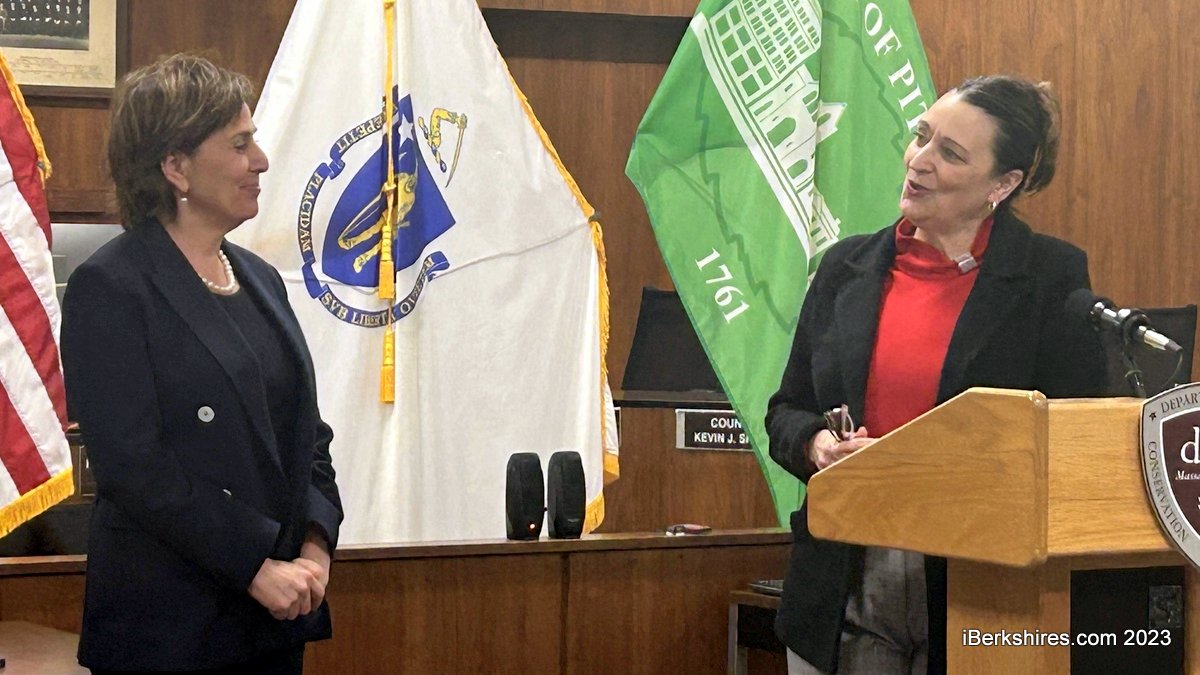
PITTSFIELD, Mass. — The city will use $20 million in state American Rescue Plan Act funds to remove the deteriorating Bel Air dam.
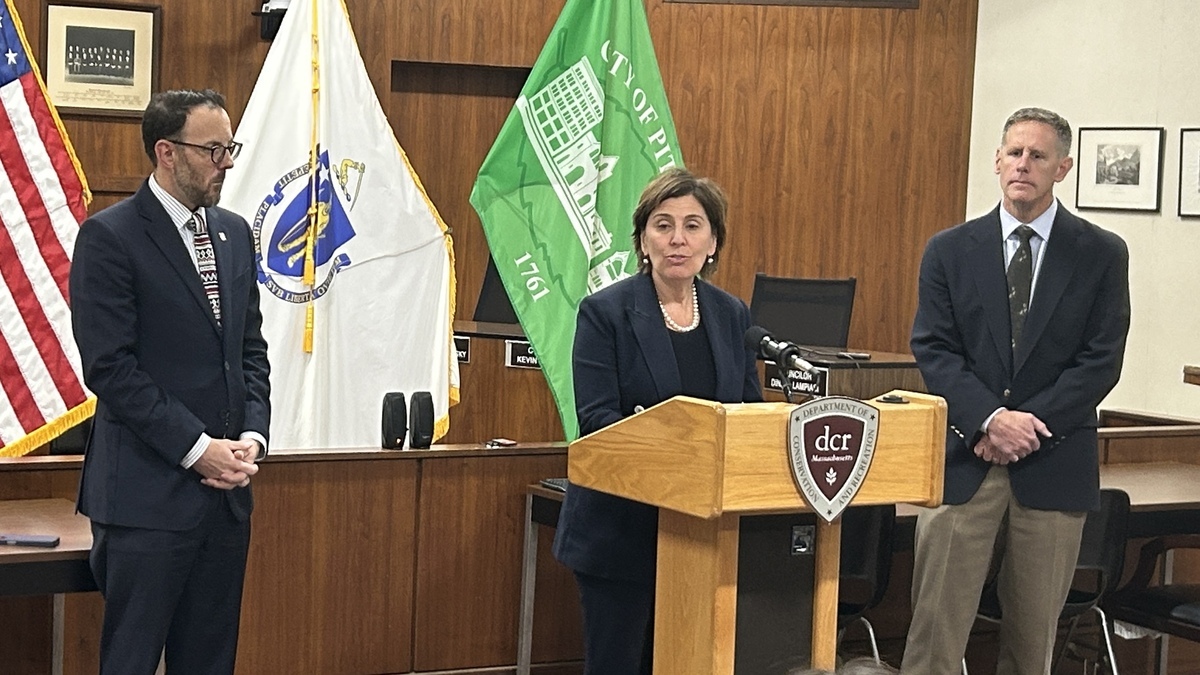
On Friday, members of the Healey-Driscoll administration celebrated the investment of $25 million in ARPA funding — most of it going to Pittsfield — to remove eight abandoned, hazardous dams in the commonwealth.
"We continue to see more and more frequent severe storms, especially here in Western Massachusetts. This year we've seen record rainfall and flooding. This is a reminder of how critical it is that we invest in addressing our dam infrastructure," Executive Office of Energy and Environmental Affairs Secretary Rebecca Tepper said.
"Governor Healey often says the climate crisis is both our greatest challenge and our greatest opportunity. Well, we have an opportunity here today with this funding to remove unnecessary and abandoned dams and make our rivers more resilient and our communities safe. Removal of these eight dams is a tremendous example of how we can increase climate resilience and mitigate the effects of climate change all while improving habitat, water quality, and biodiversity."
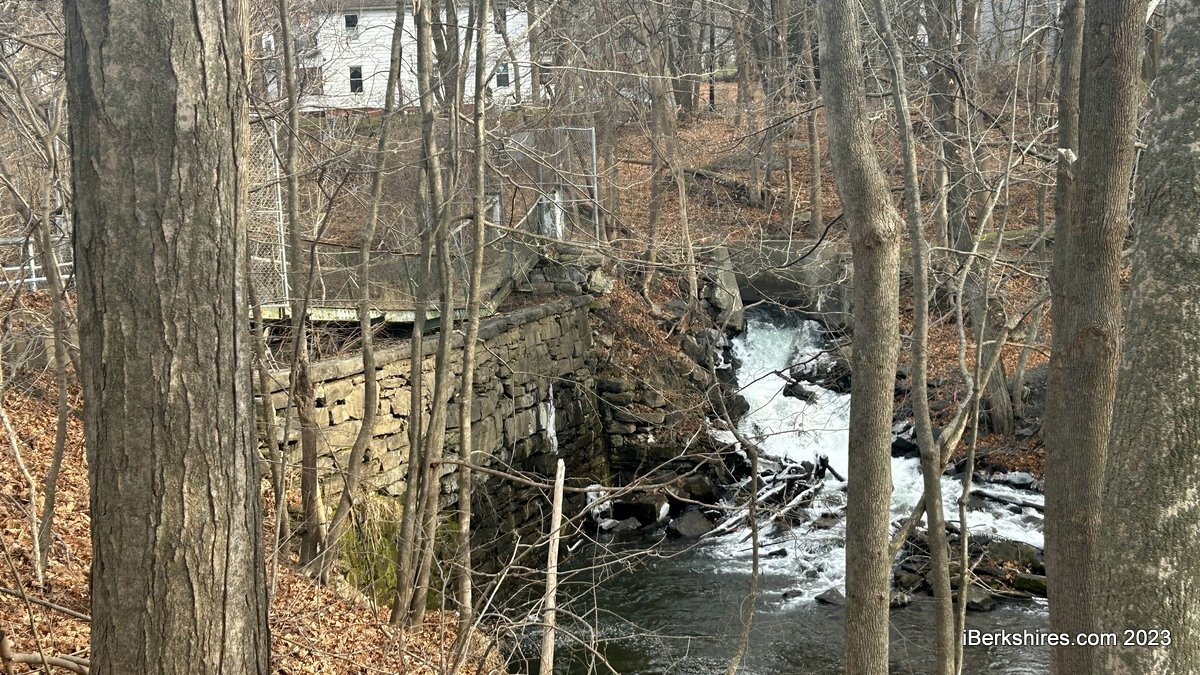
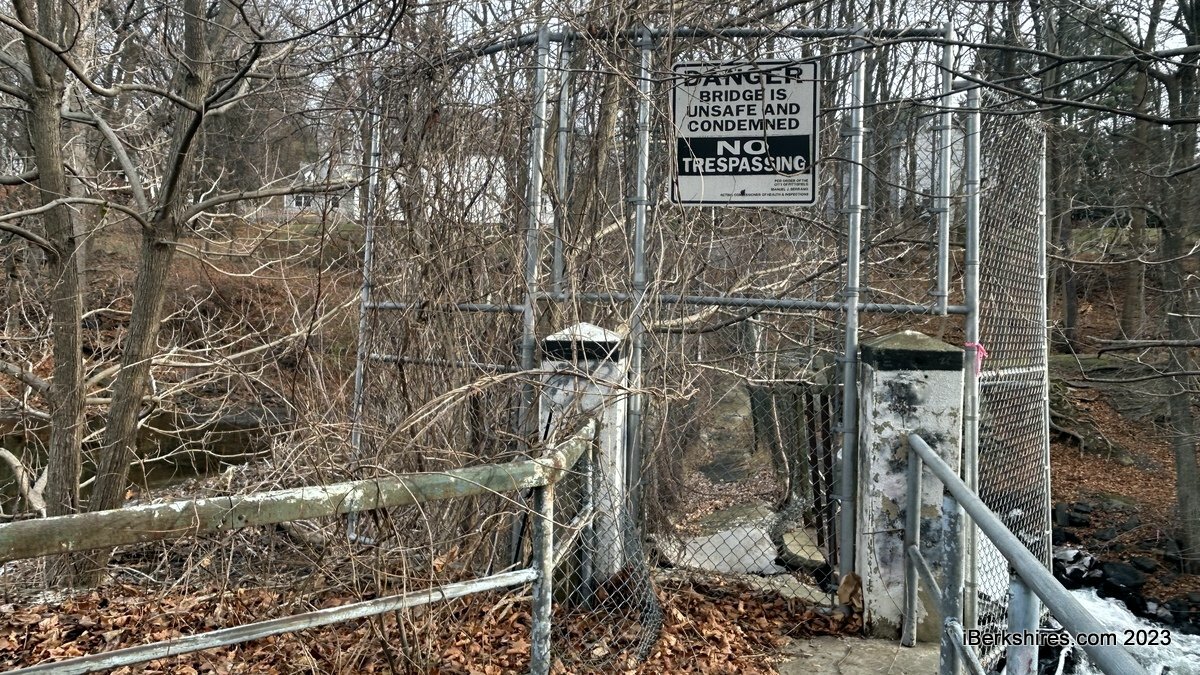
A collapsed bridge and danger sign are seen above the Wahconah Street dam that was built two centuries ago. If the infrastructure collapses, it could cause loss of life and damage downstream buildings and roadways.
It has been an area of concern for over a decade, with the city and the state Department of Conservation and Recreation conducting inspections, maintenance and repairs. In 2020, it was identified as a high-priority project.
Mayor Linda Tyer said storm events are delivering higher volumes of precipitation that are putting significant pressure on dams, culverts, and other drainage infrastructure and the city wants to prevent negative impacts.
"As a city, we have been actively working to take steps in managing similar dam removal projects and other types of infrastructure projects. We recently completed the removal of the Mill Street dam, which was a massive project but a successful one," she said.
"So both of these projects are representing a significant step toward improving environmental quality through our community, but especially creating greater resiliency in Pittsfield environmental justice neighborhoods."
The dam's high price tag is related to its deterioration, contamination, and size. With permitting, the project will be a multi-year process.
DCR Commissioner Brian Arrigo said his department is at the nexus of the climate crisis, economic opportunity, public health, and equity.
"And as we focus on those four pillars, it really gives us a tremendous opportunity to improve the quality of life of our residents," he said.
"These projects are a terrific example of doing just that by ensuring the safety of our environmental justice communities, improving our climate resilience, restoring natural environments, and improving water quality and biodiversity."
He explained that if the dam were to fail, it could also expose residents to contained sediment, adding that "this is life-saving for the community."
Fish and Game Commissioner Tom O'Shea explained that these projects are critical for restoring habitat for fish and wildlife, increasing biodiversity, water quality, and flow while providing benefits for public safety and resilience.
"We really think that moving aging dams is common sense to the challenges given that they have so many long-term maintenance costs," he said.
"Liability, flooding, water quality, and climate adaptation challenges."
There will be a community meeting for the removal of the dam on Tuesday, Dec. 5, at 6 p.m. at the Polish Falcon Club so that the public can hear details of the project.
Tags: ARPA, dam removal, state officials,