Pittsfield Council Gives Preliminary OK to $82M School Budget
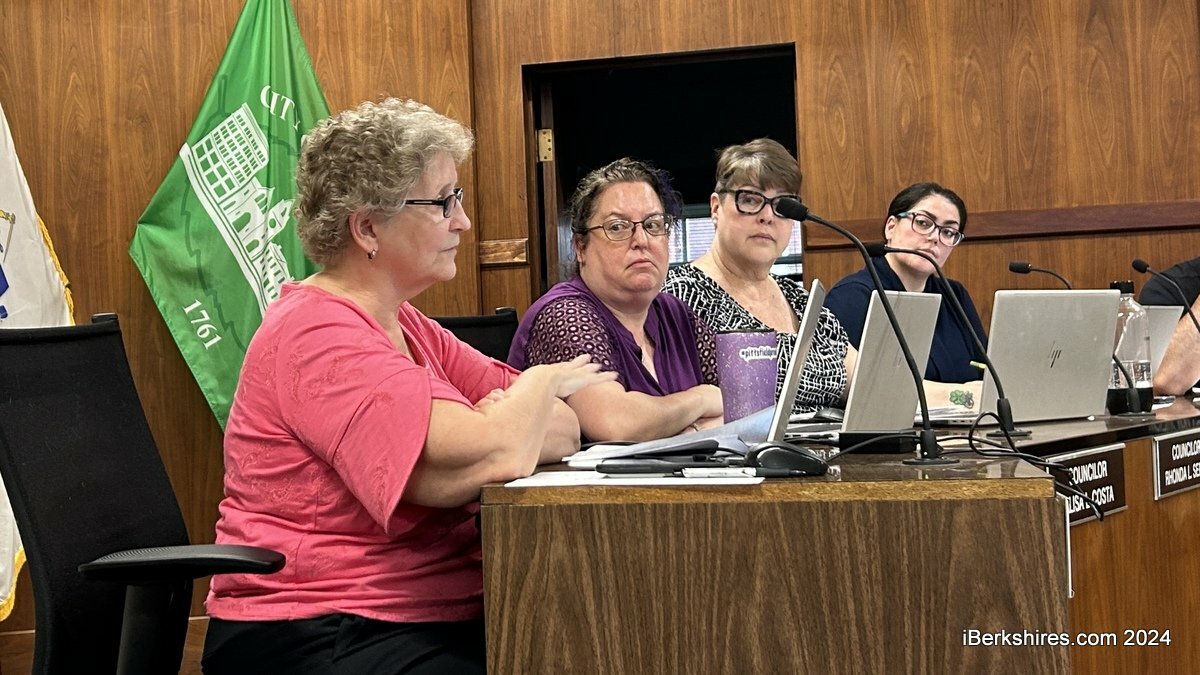
PITTSFIELD, Mass. — The City Council left no stone unturned as it took four hours to preliminarily approve the school budget on Monday. At $82,885,277, the fiscal year 2025 spending plan is a $4,797,262 — or 6.14 percent — increase from this year.
It was a divisive vote, passing 6-4 with one councilor absent, and survived two proposals for significant cuts.
"I think we have fiduciary responsibility to the citizens of Pittsfield and to have a budget that is responsible, taking into consideration the huge increase in taxes that it had the last couple of years, the last year in particular," said Councilor at Large Kathy Amuso, a former School Committee chair, who unsuccessfully motioned for a $730,000 reduction.
Ward 1 Councilor Kenneth Warren responded with a motion for a $250,000 cut, which failed 5-5.
The Pittsfield Public School budget is balanced by $1.5 million in cuts and includes about 50 full-time equivalent reductions in staff — about 40 due to the sunsetting of federal Elementary and Secondary School Emergency Relief funds. With 27 FTE staff additions, there is a net reduction of nearly 23 FTEs.
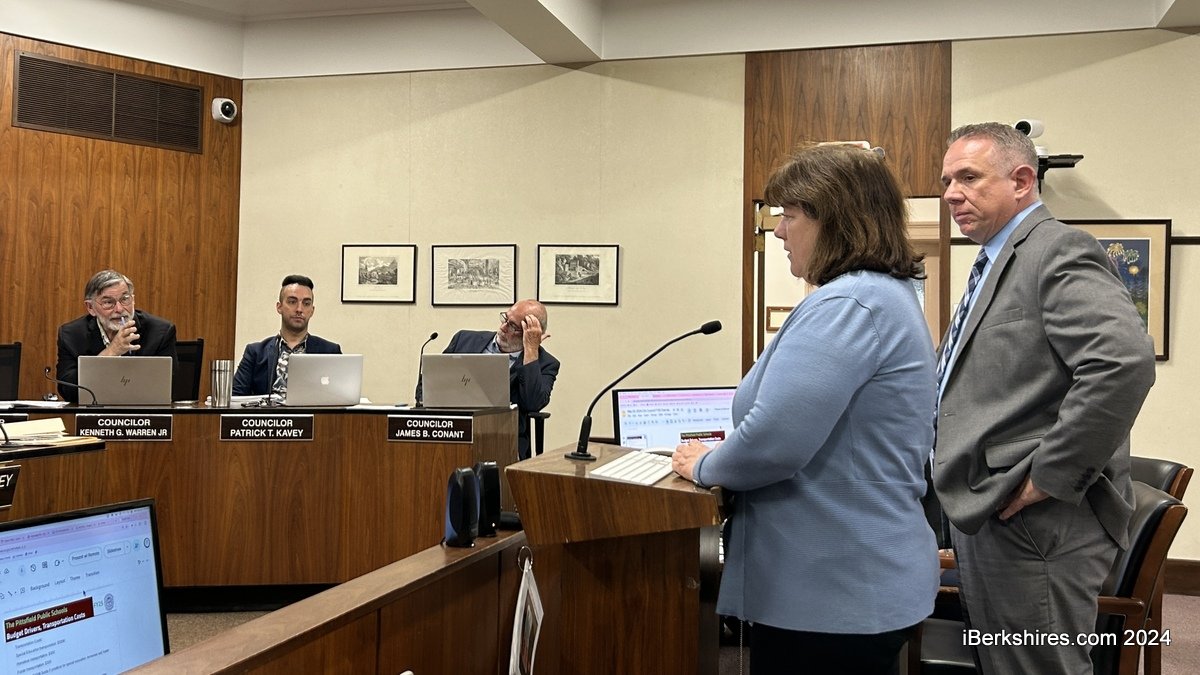
This plan does not come close to meeting the needs that were expressed throughout the seven-month budget process, Superintendent Joseph Curtis explained, but was brought forward in partnership with all city departments recognizing that each must make sacrifices in financial stewardship.
"With humility, I address the council tonight firmly believing that the budget we unveiled was crafted admits very difficult decisions, struggles, along with some transformative changes," he said.
"It is still important though that it did not even come close to accommodating the urgent requests we received throughout the entire budget process."
Safety and underperformance were hot topics during deliberation.
The ESSER-funded district safety coordinator is set to be reduced to a district safety and attendance coordinator. This is not a part of the $200,000 in safety and security cuts because it was funded externally and the new position adds to the budget.
"We're not proposing the truancy officer of yesteryear that kind of went to houses and picked up children but a true district champion of attendance," Curtis said.
"Working with our schools, school support teams to identify chronically absent students and then facilitating a district attendance committee that would really look at our structures, our policies in relation to attendance."
Councilor at Large Earl Persip III reported that the police chief supports retaining the position as it is, explaining that in conversation it was "pretty telling that he thought the safety coordinator was a full-time position."
"I don't want to be a city councilor that cuts the security and safety budget by $200,000 and then cuts the safety coordinator job in half and then something happens in one of the schools," he said.
Curtis assured that the safety and attendance coordinator would never be asked to prioritize attendance over a safety emergency and that the safety coordinator had largely built on systems that were already in place.
"We would just like to see, is this viable? And if the answer is 'no,' then we can say to our constituents, our community ‘We made an effort to see if these additional responsibilities were doable,'" he said, adding, "I feel the same as you that our parents must feel that their children are safe."
On the other hand, Amuso is glad the two positions are being combined after hearing that constituents support the move.
Six of the district's 14 schools are underperforming and require targeted assistance. Concerns were raised about the effectiveness of additional funding and the reduction of paraprofessionals for FY25.
Persip pointed out that there is about $38 million coming from the city side of the budget, totaling about $122 million spent on 5,000 students. He pointed to the "not great" percentile scores from the Department of Elementary and Secondary Education, Williams Elementary School being in the 93rd percentile and Capeless Elementary School in the 45th percentile as the second highest performing.
"I think we've got our fair share into the schools, $122 million. What is the solution for the schools that are failing? Because money is not the solution or it doesn't seem to be," he said.
Curtis detailed the socioeconomic factors that contribute to performance, explaining it is a "long answer."
"I do feel strongly that the restructuring plan is part of the solution. It's not the entire solution," he said.
The district has been undergoing a restructuring study for the physical and educational aspects of the school district and, earlier this year, Curtis was given the green light to submit a statement of interest to rebuild Conte Community School and Crosby on the West Street site with shared facilities.
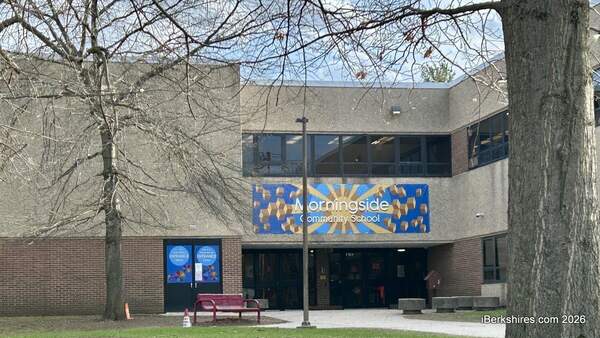
"We really considered closing Morningside Community School," he said, explaining that the district eventually "backed off because we felt at that point we could not responsibly close the school and well inform and involve the community."
Additional behavioral support staff would have also been needed at the schools that absorbed Morningside students, as it is a Title One school.
"Now, could that be on the table next year? Yes," Curtis explained. "But we want to do it in a responsible way because there are a lot of factors to closing a school."
A correction in the formula for Chapter 70 funding added another $2.4 million in aid for fiscal year 2025, totaling over $3.1 million.
State Rep. Tricia Farley-Bouvier said the Student Opportunity Act, approved in 2019, is considered fully funded this year. During open microphone, she stressed that the commonwealth kept its promise when it came to the act.
"Sometimes I hear 'Oh the state didn't give us money,' but the funding from the Student Opportunity Act, we are meeting those projections and quite frankly we are exceeding those projections," she said.
"So the money is here through the state. Yes, the road has been bumpy and you've all seen here in the paper there was certainly a bump this year that we were able to address. There are some issues, I think the formula does have to change so we don't have the big ups and downs like we usually have, we are working on that but please know the state is coming through."
Tags: fiscal 2025, pittsfield_budget, school budget,