Neal Announces $750K Earmark for Town Hall Restoration
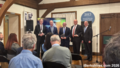
LENOX, Mass. — U.S. Rep. Richard Neal joined state Rep. William "Smitty" Pignatelli this week to announce a $750,000 earmark for the Lenox Town Hall Restoration Project. Pignatelli has also temporarily stepped into the role of town manager.
The allocation was made possible through Congressionally Direct Spending (CDS) from the U.S. Department of Housing and Urban Development. Neal included funding for this project in the Fiscal Year 2023 spending bill that was signed into law on Dec. 29, 2022.
"A town hall holds a prominent place in a community's downtown, representing the cornerstone for public discourse and the nexus for local governance. In a community like Lenox, whose history pre-dates the Revolutionary War, the town hall represents an institution with which generations of residents identify," said Neal. "I was pleased to partner with state Rep. Smitty Pignatelli to further the Town Hall Restoration Project. This funding will help preserve and maintain this historic building, ensuring it can continue to serve the residents of Lenox for years to come."
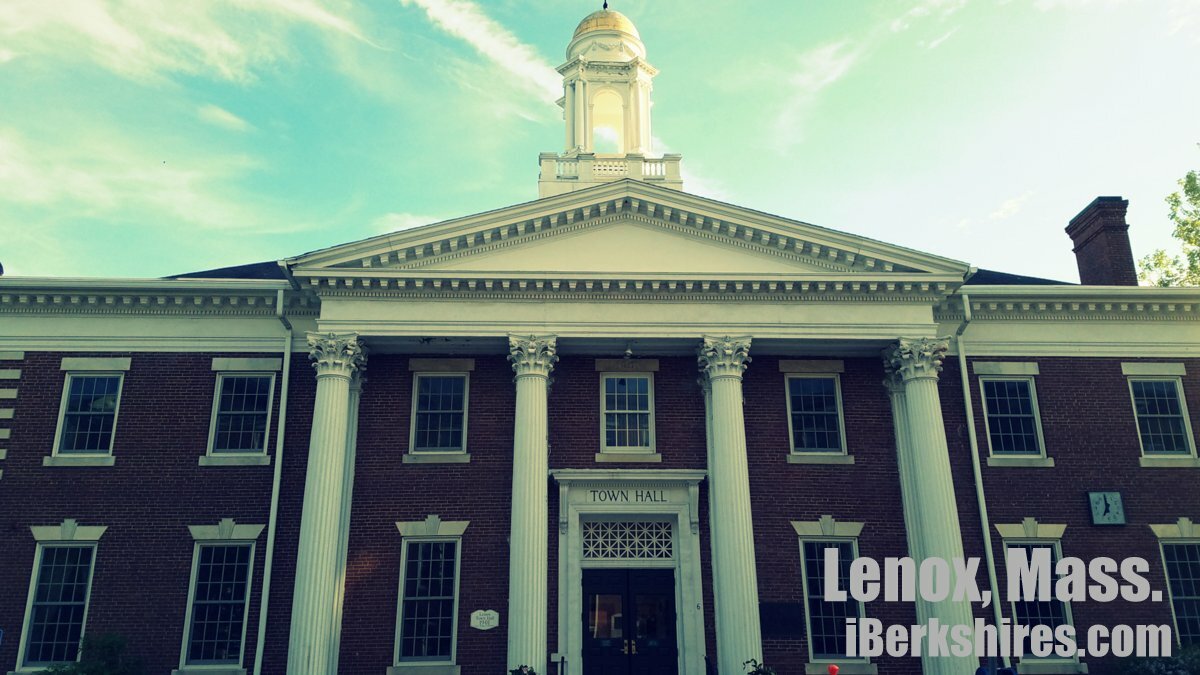
Built in 1901, the historic Lenox Town Hall stands in a prominent position in downtown Lenox. A signature building of the Downtown Historic District, the Town Hall is on the State Register of Historic Places. Funding secured by Neal will support the restoration and repair interior and exterior features throughout the building, including:
- Repairing and restoring the deteriorating dome;
- Re-shingling the roof and exterior painting;
- Addressing extensive water damage in the rotunda;
- Installing more modern, energy-efficient lighting fixtures;
- Replacing the flooring and sound system in the auditorium; and
- Improving the handicapped-accessible ramp.
Under guidelines issued by the Senate and House Appropriations Committees, members of Congress requested CDS funding for projects in their state for Fiscal Year 2023. CDS requests were restricted to a limited number of federal funding streams, and only state and local governments, and eligible non-profit entities, were permitted to receive CDS funding.
This project is one of 15 CDS projects submitted by Neal, totaling over $20 million in investments throughout the First Congressional District of Massachusetts.
Tags: Neal,