image description
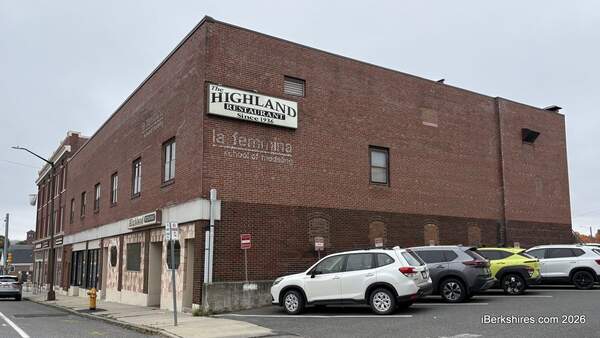
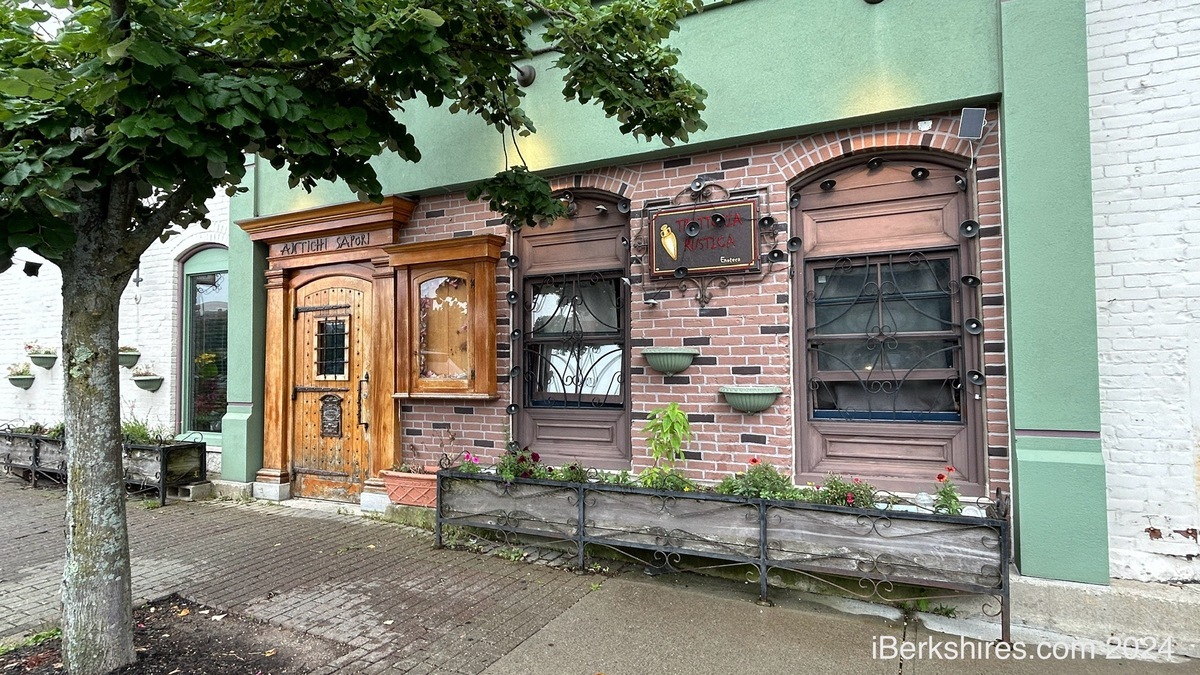
Megan and Ronald Gomez are moving their restaurant Sibaritas to the former Trattoria Rustica on McKay Street.

Pittsfield's Sibaritas Restaurant Moving Downtown

By Brittany PolitoiBerkshires Staff
Print Story | Email Story

PITTSFIELD, Mass. — After three years in business on East Street, Sibaritas is moving downtown.

On Monday, the Licensing Board approved a new annual downtown all-alcohol restaurant license for the eatery's new location in the former Trattoria Rustica at 27 McKay St.

"I couldn't be happier for you," board member Jon Lifergren said. "I think it's a win-win move and I'm really excited about it."

Other board members agreed and Chair Thomas Campoli coined the East Street operation as a "wild success."

Megan and Ronald Gomez opened the Italian restaurant with a Chilean flare in 2021 in the former Elizabeth's Restaurant at 1264 East St. Sibaritas — a Spanish word that refers to a person who appreciates good food — makes almost everything in-house. The menu includes fresh pasta, flatbreads, salads, breakfast pastries, and coffee.

Together, the duo has more than 30 years of experience in the field.

"We're moving Sibaritas to the new location and then once we are up and rolling successfully there then we will go back and revisit what we're going to do with the [East Street] building, if we're going to open up a new restaurant or if we're going to sell the location. It's still up in the air," Megan Gomez explained when asked about the former location that they own.

There was an inquiry about the fate of the former liquor license, as they can either operate two establishments or transfer it to another one.


"Of those options that are being considered at this time, no decision has been made," attorney Michael Hashim said.

Trattoria Rustica had operated on McKay Street since 2001. It closed its doors in May due to a sudden heart failure that owner and chef Davide Manzo went through, according to a post on Facebook.  A GoFundMe was started to alleviate financial burdens while he rehabilitated, raising almost $10,000.

Last week, Manzo announced on the platform that due to the health scare, he is retiring.

"I just want to thank you, everybody, for all the support that I've had so far," Manzo said in a video post. "And I want to make sure that every one of you knows that I am well, getting better. It's going to be a long way but I am here."

Campoli is pleased with the new occupants.

"I think it's great that you're going into that space where Davide Manzo was," he said. "It's a wonderful space and he was quite a guy. He's still around but he's getting out of the business but it's a great location. I think it's perfect for you guys."

During the 10-minute meeting, the board also welcomed former city councilor Kevin Sherman to the board and approved an entertainment license for BB's Hot Spot at The Lantern, located at 455 North St.

Owner Ronny Brizan explained that they would like a small band to entertain people while they eat. The license was approved until 10 p.m.


Tags: license board,   restaurants,   
If you would like to contribute information on this article, contact us at info@iberkshires.com.

Berkshire Towns Can Tap State Seasonal Communities Resources

BOSTON — Governor Maura Healey announced that 18 additional municipalities across Massachusetts have been designated as Seasonal Communities, opening up new tools, support and grant funding to help them manage seasonal housing pressures. 
 
Created as part of the historic Affordable Homes Act signed into law by Governor Healey in 2024, the Seasonal Communities designation was designed to recognize Massachusetts communities that experience substantial variation in seasonal employment and to create distinctive tools to address their unique housing needs. The law also established the Seasonal Communities Advisory Council (SCAC).  
 
The Affordable Homes Act identified several communities to automatically receive the designation, including:   
  • All municipalities in the counties of Dukes and Nantucket;   
  • All municipalities with over 35 percent seasonal housing units in Barnstable County; and   
  • All municipalities with more than 40 percent seasonal housing units in Berkshire County. 
  •  
To identify additional communities, the Executive Office of Housing and Livable Communities (HLC) reviewed available data, specifically focusing on cities and towns with high levels of short-term rentals and a high share of second- or vacation homes.
 
In Berkshire County, Egremont, Great Barrington, Lee, Lenox, New Marlborough, Richmond, Sandisfield, Sheffield, West Stockbridge and Williamstown have been designated. 
 
"Our seasonal communities are a vital part of Massachusetts' cultural and economic fabric, but they're also home to essential workers, families, seniors, and longtime residents who deserve a place to live year-round," said Governor Healey. "That's why we're committed to supporting these communities with innovative solutions like the Seasonal Communities designation to meet their unique needs, and I'm thrilled that we're offering this opportunity to 18 additional communities across the state. Everyone who calls these places home should be able to live, work and grow here, no matter the season." 
 
As with the statutorily identified communities, acceptance of the designation for municipalities is voluntary and requires a local legislative vote. HLC will open an application for newly eligible communities that haven't accepted the Seasonal Communities designation to request consideration. 
 
The Affordable Homes Act created several new tools for communities who accept the Seasonal Communities designation to be able to:  
  • Acquire deed restrictions to create or preserve year-round housing 
  • Develop housing with a preference for municipal workers, so that our public safety personnel, teachers, public works and town hall workers have a place to live 
  • Establish a Year-Round Housing Trust Fund to create and preserve affordable and attainable housing for year-round residents 
  • Create year-round housing for artists 
  • Allow seasonal communities to develop a comprehensive housing needs assessment 
  • Permit tiny homes to be built and used as year-round housing 
  • Permit year-round, attainable residential development on undersized lots 
  • Increase the property tax exemption for homes that are the owners' primary residence 
 
View Full Story

More Pittsfield Stories