Firm Chosen to Lead Study on 'Reconnecting' North Adams
NORTH ADAMS, Mass. — The city has selected a Boston firm to lead the $750,000 feasibility study of the Veterans Memorial Bridge.
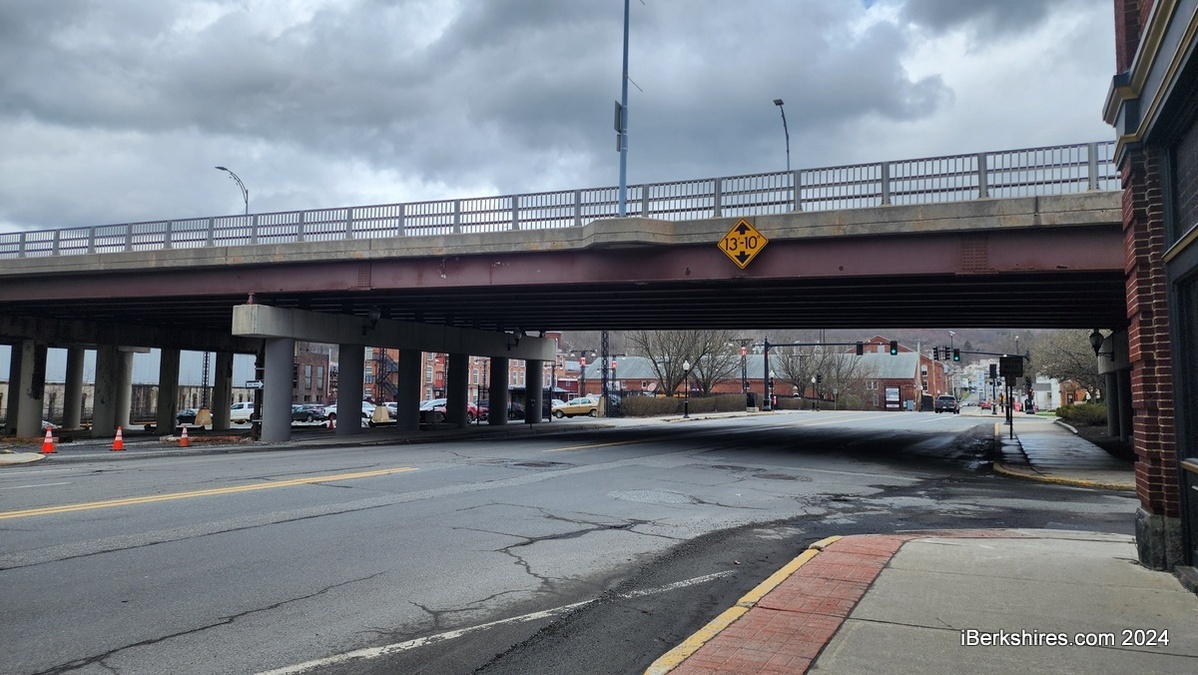
Stoss Landscape Urbanism and its partners are charged with providing North Adams options for addressing the failing overpass to create a more connected and thriving downtown.
"The city of North Adams is thrilled to be working with Stoss and their partners to make sure that we make inform decisions about our future and that we explore every opportunity to remedy disconnected traffic patterns downtown caused, in large part, by the Route 2 Overpass. It is imperative that, unlike the Urban Renewal programs of the past, we do so in an inclusive, collaborative way." said Mayor Jennifer Macksey in a statement announcing the selection. "We are excited by the possibility that this collaboration among the city, Stoss, Mass MoCA and NBCC will result in a truly transformative project that will benefit of the people of North Adams, surrounding communities and visitors to the city."
The city partnered with Massachusetts Museum of Contemporary Art to apply for the Bipartisan Infrastructure Act's Reconnecting Communities Pilot Program. The program is providing a $1 billion over the next five years for planning, construction and technical grants for communities affected by past infrastructure projects.
Connecting the city's massive museum and its struggling downtown has been a challenge for 25 years. A major impediment, all agree, is the decades old Central Artery project that sent a four-lane highway through the heart of the city.
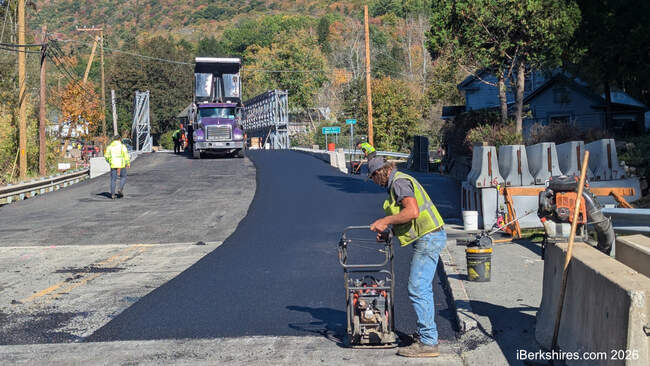
The 171-foot span is in dire need of repair and deemed "structurally deficient" after the most recent inspection by the state Department of Transportation. A set of jersey barriers narrows the four-lane highway to two lanes at the midpoint. The last time it was overhauled was in 1992 with the federal government and state picking up the $2.1 million tab.
The museum and city are seeking options that include its possible removal and a reconfiguration of that busy traffic area.
"The community of North Adams has long articulated what it needs to realize for its well-being, including the potential of its creative economy," said Mass MoCA Director Kristy Edmunds. "Mass MoCA's dual mission to both create and show great art, and support economic development in North Adams means we are interdependent in finding durable and materially meaningful solutions to these once-in-a-generation issues. It will require continuous engagement, mutual innovation and dedicated investment.
"And together, we now have a beautiful chance to unlock additional federal funding to create a more intentional, community-centered future."
The planning team includes Stoss, known for managing, planning, and designing complex urban and landscape projects across Massachusetts and the world; HNTB, a provider of engineering, planning and construction services for complex and challenging projects including Boston's Casey Arborway and the I-84 and Route 8 "Mixmaster" reconstruction; Openbox, a minority-led design, research, and planning studio that focuses on community engagement and centers questions of equity; Michael Murphy Studio; an urban design, architecture, and research practice led by Michael Murphy, who previously founded MASS Design Group; James Lima Planning and Development, an equitable economic development firm that specializes in the economics of placemaking; and Transsolar, a renowned sustainable design practice that works with clients to maximize a project's environmental benefits while minimizing its impacts.
The planning team will also work with the Northern Berkshire Community Coalition to convene and facilitate means of community outreach to maximize awareness of and participation in the study process.
The 1959 Route 2 overpass was identified in the North Adams Vision 2030 Plan as a significant barrier to community connectivity. The master plan was completed in 2014, and the obstacles created by the overpass are a running theme throughout. A section of the chapter on economic development names the overpass as one of the most glaring blights: "Route 2, particularly the overpass, poses a number of access, livability, and multi-modal safety barriers to fostering a people-oriented downtown and supporting economic activity for small businesses."
Stoss' President Chris Reed said the study was a "generational opportunity to right the wrongs of past transportation injustices" and "reknit" the heart of the city with economic generators Mass MoCA and Massachusetts College of Liberal Arts in mind.
"It's an opportunity for the people, the growing creative community of makers, and the civic cultural institutions of North Adams to re-connect, be supported, and to thrive," he said. "This is a project of connective infrastructure, to be sure, but it is also a project of seeding a new kind of public realm, one that builds equity and community and that leverages investments in ways that allow the culture and economy of North Adams to evolve and flourish."
Tags: bridge work, feasibility study, federal grants, mass moca,