BNRC Conserves 66 Acres Along Great Barrington's Blue Hill Road
GREAT BARRINGTON, Mass. — Berkshire Natural Resources Council has conserved 66 acres of woodland on the western slope of Three Mile Hill, enhancing the region's natural beauty and bolstering climate resilience.
With support from the Thieriot Foundation and private foundations, Mass Audubon, and the Massachusetts Executive Office of Energy and Environmental Affairs' Acquisitions for Forest Reserves Grants Program, BNRC's Blue Hill Road property will safeguard vital wildlife habitat and create new opportunities for people to connect with nature.
Mass Audubon contributed $125,000 toward this acquisition through its 30x30 Catalyst Fund. The fund is a $75 million private initiative dedicated to accelerating the pace of land conservation in Massachusetts.
"The Catalyst Fund is tailor-made to assist with land projects like this. It was Mass Audubon's pleasure to work with our partner, BNRC, to secure this property as it exemplifies the goals of the Catalyst Fund, which are to protect Massachusetts' most bio-diverse, carbon rich lands" said Mass Audubon's President and CEO David O'Neill.
BNRC's Assistant Director of Conservation Nick Pitel, said, "The Blue Hill Road property protects critical forest habitat and prevents further fragmentation in an area facing increased development. By securing this land, BNRC conserves the ecological health and connectivity of Three Mile Hill for future generations."
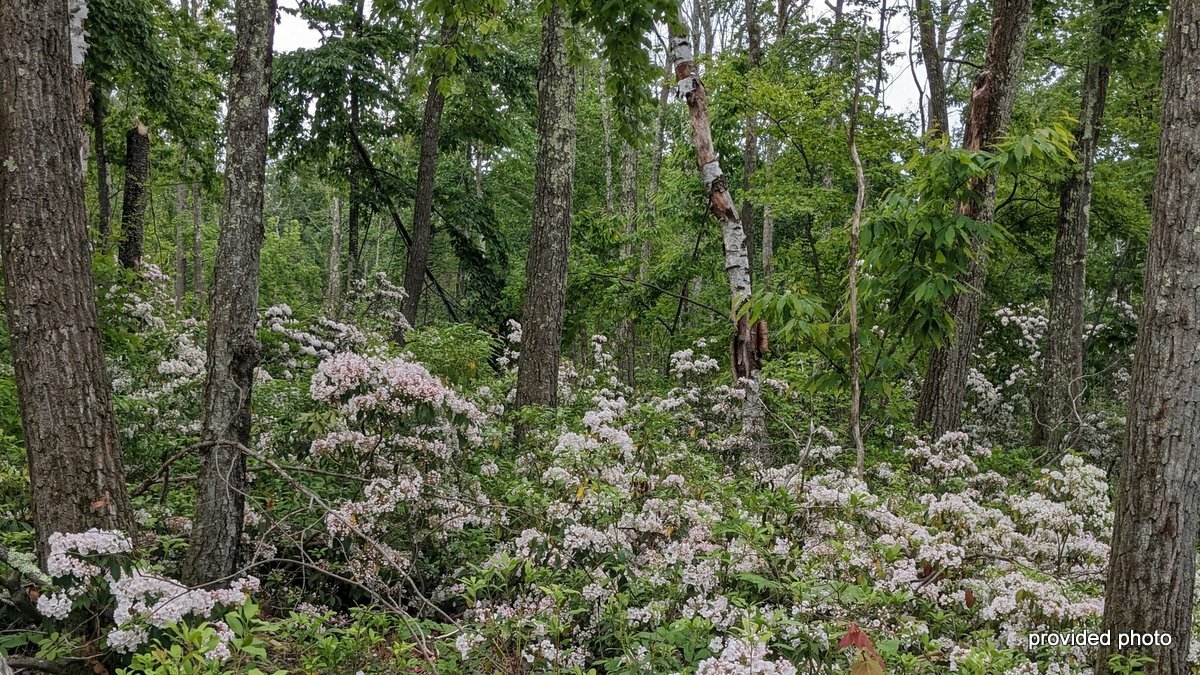
Located next to BNRC's Thomas and Palmer Brook Reserve, the property is home to diverse natural features, including mountain laurel at higher elevations, quartzite boulders along the ridgeline, and the iconic "Whale Rock."
A portion of the land is designated as Critical Natural Landscape and Priority Habitat of Rare Species by Massachusetts Natural Heritage and Endangered Species Program, emphasizing its ecological importance. The land features rich soils that support healthy forests and is part of an area identified by The Nature Conservancy for recognized biodiversity and as a resilient habitat — better able to adapt to the changing climate.
The forest includes multiple species of oak and hickory, tulip poplar, American chestnut, and other native trees, providing essential habitat for wildlife. BNRC's stewardship plan designates the property as a Forest Reserve, ensuring its biodiversity and role in carbon sequestration are maintained.
With its connection to BNRC's popular Thomas and Palmer Brook Reserve, the property offers exciting possibilities for expanded recreational access. Eventual plans include a secondary trailhead location to access Whale Rock and the larger trail network at Thomas and Palmer Brook Reserve and providing community engagement and education around forest management and climate adaptation.
"This conservation success reflects BNRC's mission to care for Berkshire lands, waters, and wildlife while offering more ways for people to connect to the outdoors," said Jenny Hansell, BNRC's president. "The Blue Hill Road property expands a key BNRC reserve while protecting important habitat and increases access for nearby communities."
The forest block along Three Mile Hill is within the Berkshire Wildlife Linkage, a vital corridor in the Berkshire-Taconics landscape of the Appalachian Mountain range that connects the Green Mountains in Vermont to the Hudson Highlands in New York. This regional connectivity is key for wildlife and recreation, supporting BNRC's goals of ecological resilience and equitable access to nature.
Established in 1967, Berkshire Natural Resources Council is a nationally accredited land trust that protects and preserves the natural resources of the Berkshires for public use.
Tags: BNRC, conserved land, forestland,