Elder Service Providers Push for More State Funding in Home Care
PITTSFIELD, Mass. — Elder Services of Berkshire County Inc. fears that state budget deficits for fiscal year 2025 will negatively impact home care.
The agency joins others in the sector asking for additional funding in a supplemental budget to avoid consumers being put on a waitlist, or managed intake, for the state Home Care Program.
"We have been fortunate not to run under managed intake for a long time but it can be really challenging for the staff because that's not why we come to work every day," Client Services Director Maureen Tuggey said.
"Our case management staff, our nursing staff, we want to help people, we want to keep people in the home, and when they have to go out and say, 'Well, we're going to put you on a managed intake,' that never feels good."
They are focused on two line items: Elder Home Care Purchased Services with an expected deficit ranging from $35.2 million to $46 million (with 8 percent utilization growth) in FY25 and Home Care Case Management facing a deficit from $4 million to $8.6 million (with 8 percent utilization growth.)
Tuggey said it's hard to determine exactly what this will mean for Elder Services, which is the county's access point for Aging Services.
Executive Director Christopher McLaughlin explained that the $28 million organization sees about 80 percent of its funding from the state and about 15 percent from the federal government. A great deal of funding comes from the state Home Care Program, which supports a lot of what they do.
It isn't so much that state funding has gone down, McLaughlin said, but it hasn't increased to match the demand.
"We're talking about sort of a major impact to the agency but more importantly, a major impact to many, many people throughout the entire county that have some pretty significant needs and need help, need resources," he said.
The Home Care Program is for people over 60 years of age or those younger than 60 with Alzheimer's disease who live in residential housing. Services for chores and homemaking, companionship, meals, personal care, transportation, and more are provided at no cost or cost shared on a sliding fee scale.
In November 2024, Elder Services' caseload for the program was more than 1,700. The services provide county residents the aid needed to live independently and safely in their own homes.
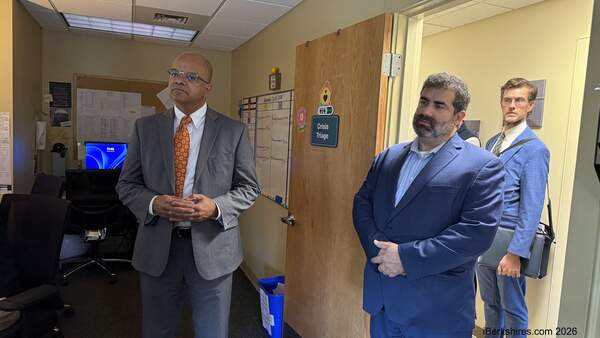
McLaughlin and Tuggey have set up meetings with members of the Berkshire delegation to voice their concerns.
"The Senate and House are back in session which means everything starts over in relation to the state budget and all legislative committees need to be reorganized. Only the governor can file a supplemental budget so hopefully that will be happening relatively soon," Sen. Paul Mark said in an email to iBerkshires last week.
"I am meeting with the three local agencies serving Berkshire, Franklin, and Hampshire Counties to learn more about why they are expecting a deficit and to learn how I can be most helpful to fixing the problem."
Mass Aging Access Executive Director Betsey Crimmins has said home-based care produces the best health outcomes and highest quality of life for older adults who are medically eligible for nursing home care but prefer to receive it care at home.
Tuggey emphasized that managed intake would not affect individuals who have current services with Elder Services and individuals with the greatest level of need. Community members should always call if they feel the need for services, home care or not, she said, because people could need help with things like Supplemental Nutrition Assistance Program or housing applications.
The Berkshires has the second oldest demographics behind Barnstable County, and has a rapidly growing population of residents aged 60-plus. More than a third of state home care consumers are medically eligible for a nursing home.
To enter the program, individuals can self-refer or be referred by the hospital or other entity. The referral is assigned to one of the case management staff and they will schedule an assessment ideally within five business days.
A computerized long-term case assessment, as mandated by the Executive Office of Elder Affairs, determines a person's eligibility for services. Even today, not everyone is found eligible based on functional needs.
Elder Services has not operated with managed intake for close to a decade.
"In thinking about the managed intake, if that was to happen again, Maureen doesn't know, I don't know exactly how it would roll out but you get the sense that it's not a good thing," McLaughlin said.
He pointed to the Enough Pay to Stay initiative that infused millions of dollars into the system during the pandemic to keep home care aides, home health aides, and care managers in the profession and hopefully attract more. The deficit could also affect the workforce, he said.
"We live in this really large county with relatively few people but a disproportionate number of older adults," McLaughlin added.
"And the fear is that if they were to implement this managed intake and we can only give services to people based on those at highest risk, some people in the workforce — and that Enough Pay to Stay had the benefit of really making it so that more people did enter the workforce, we don't have people waiting for services as much as they once were — but if now, people are finding they are not as employed as they have been because we don't have the ability or the funding, then we run the risk of that workforce kind of reverting back to the way it once was."
Tuggey said, "Not only does it put a strain on the individuals who are eligible for services but also the caregivers who these services can be a lifeline for."
She reported that the workforce is still not back to pre-pandemic levels but it is better.
"People are waiting — especially Central County — waiting far less time for services to be implemented because there is the availability of the workforce," she said.
Elder Services is one of the 27 Aging Services Access Points and Area Agencies on Aging in the state, serving about 10,000 individuals in an average year.
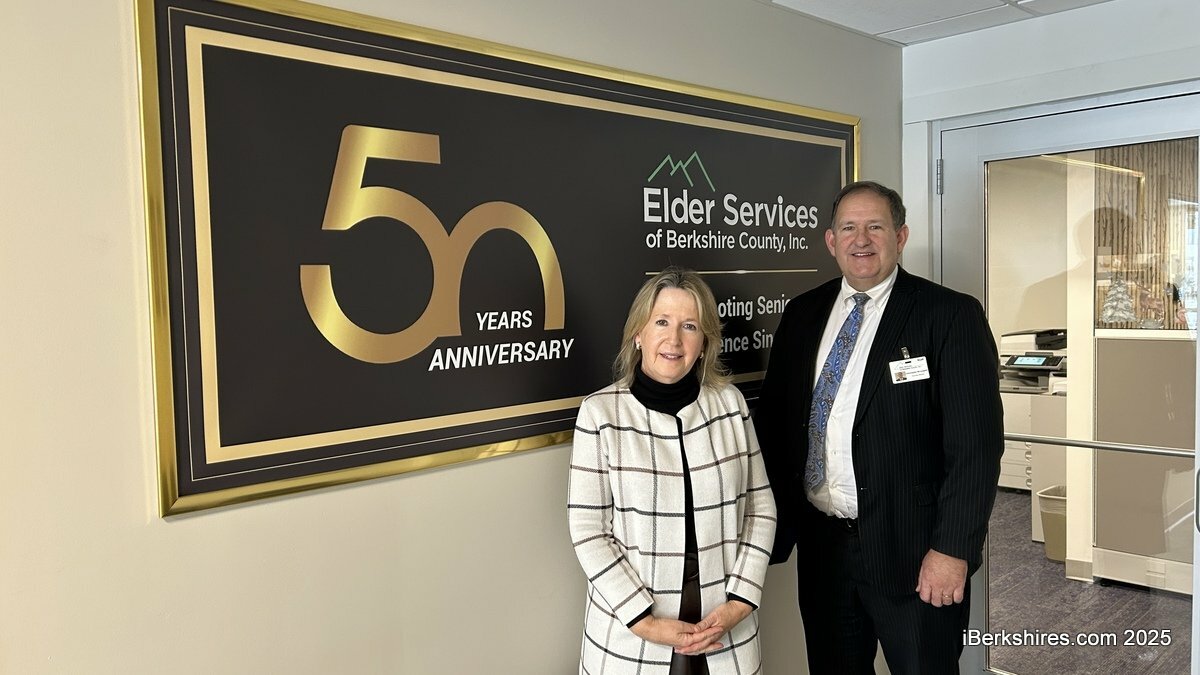
In 2024, it celebrated its 50th anniversary and moved to 73 South Church St. (the Clock Tower building.) Formerly the Wayfair call center, the two-story workplace offers a street-level entrance for those with mobility issues — compared to being on the fourth floor at 877 South St.
The agency has seen significant growth in the volume of consumers served and feels that being in a central location just makes sense. While the programs in health, housing, money management, long-term care, and more are conducted outside of the office, this provides a welcoming front door for those looking to be connected with services or seeking a referral for a loved one.
Tags: elder services,