Hari Kumar Joins NPC Board

Print Story | Email Story
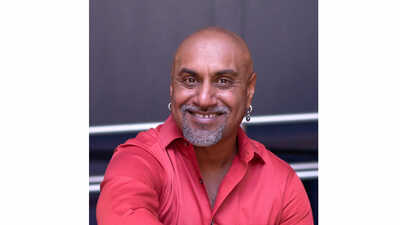
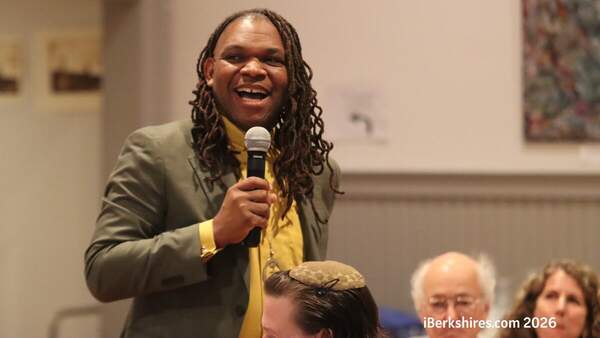
GREAT BARRINGTON, Mass. — Hari Stephen Kumar of Williamstown has joined the board of Nonprofit Center of the Berkshires. 
 
Kumar is the founder of Convivo, a Berkshire-born small business that helps people build authentic communication skills for both professional and personal settings. With graduate degrees in engineering and communications, he has 20 years of facilitation and training experience in the tech industry and higher education sectors. Kumar is a graduate of E4All Berkshire County's Fall 2024 cohort, and member of the 1Berkshire Youth Leadership Program Steering Committee.
 
Officers of the NPC board include Emily Schiavoni (President), Hari Kumar (Vice President), Brian Berkel (Treasurer), and Cass Santos-China (Secretary). Additional board members include Kim Baker, Kevin Fleming, Tom Sharpe, and Laurie Werner. Former Board Chair, Dan Stanyon, is stepping down after serving two terms.
 
The Nonprofit Center of the Berkshires is now in its ninth year serving as an infrastructure and support organization for Berkshire County’s nonprofit sector.
If you would like to contribute information on this article, contact us at info@iberkshires.com.

Williamstown Fin Comm Mulls Use of $2M Windfall

By Stephen DravisiBerkshires Staff
WILLIAMSTOWN, Mass. — The Finance Committee last week discussed how the town should use the $2 million it is in line to receive from the sale of the former town garage site.
 
"My understanding from [Town Manager Robert Menicocci] is, unlike the [American Rescue Plan Act] funds, which were distributed by the Select Board, this is just another revenue for the town and has to go through town meeting," Chair Frederick Puddester told his colleagues. "It would be good for us to think about what our priorities might be for this, to give feedback to [Finance Director David Fierro] and [Menicocci] on how to deal with the $2 million that fell out of the sky."
 
Fierro confirmed to the committee that proceeds from the sale of 59 Water St. to Williams College would be classified as "special revenue" and sit outside the town's budget, needing an appropriation of town meeting to spend all or part of the windfall.
 
Melissa Cragg suggested that the special revenue could be left in free cash, but it would generate less of a return on the investment than it would if it went to, for example, the town's stabilization fund. One potential drawback of putting it in stabilization, Puddester noted, is that a two-thirds vote of town meeting then would be required for a withdrawal.
 
Suzanne Stinson, who was later elected to chair the committee for the 2026-27 meeting cycle, indicated that the $2 million could be used to address the issue of tax base growth that has concerned the Fin Comm for years.
 
"I feel like it would be important to put that into something that has a long-term outcome for the town, given how much we're talking about significant structural changes," Stinson said. "We talked about if we had a way of gaining development — either commercial real estate or residential development. Those things, in particular, could conceivably add to the tax revenue.
 
"If there's an opportunity, I'd like to make sure we think through those opportunities."
 
View Full Story

More Williamstown Stories