Housing Secretary Talks Seasonal Communities at Rockwell Museum
STOCKBRIDGE, Mass. — Eight Berkshire communities have more than 40 percent seasonal housing, warranting a designation from the state.
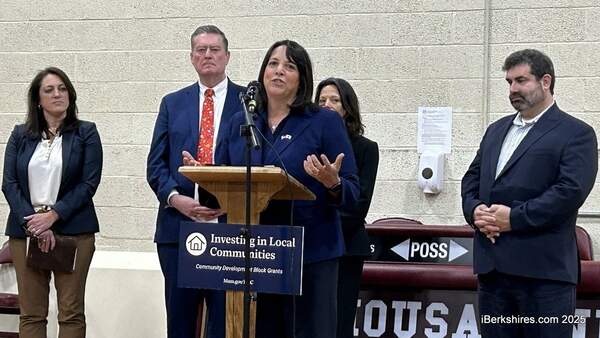
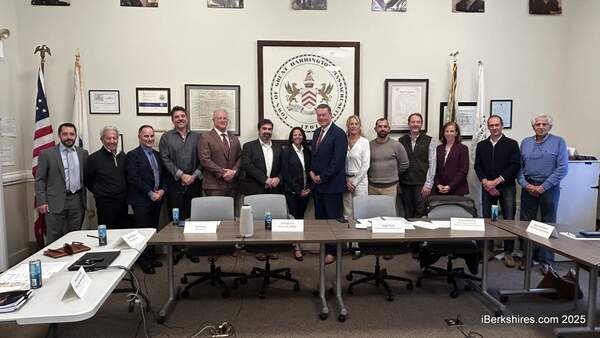
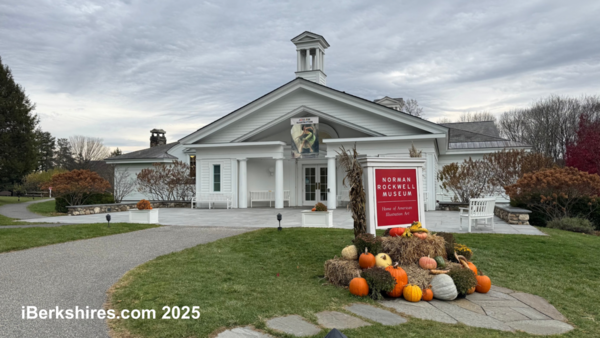
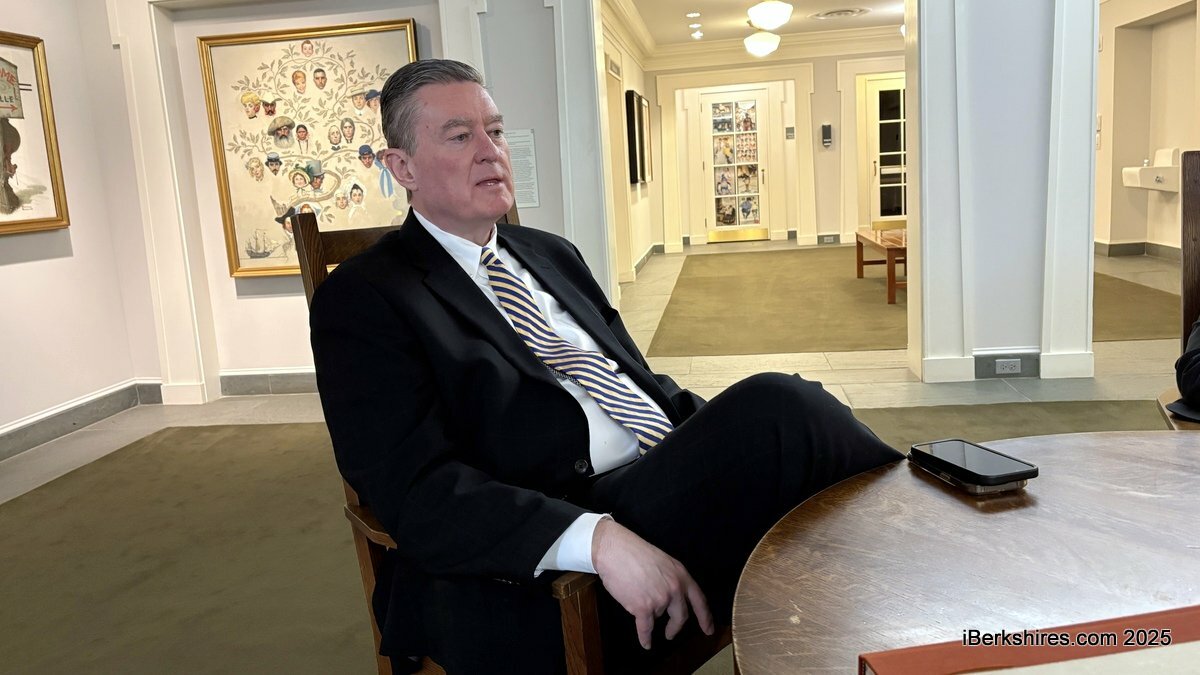
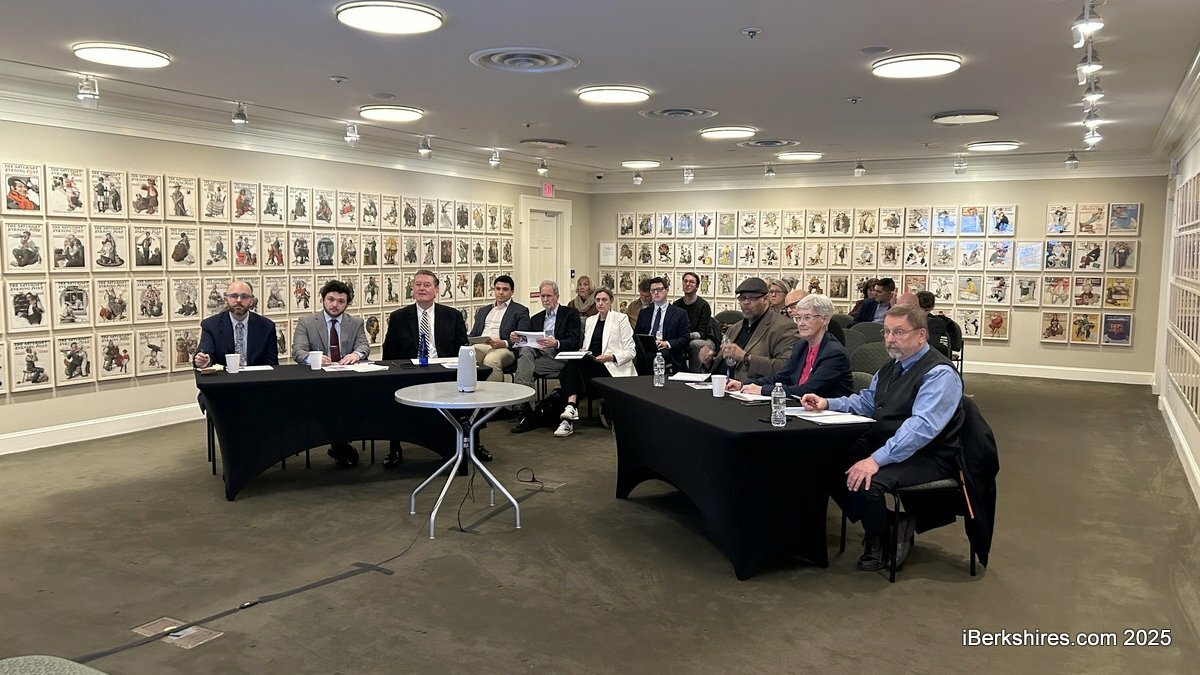
Housing Secretary Edward Augustus traveled to the Norman Rockwell Museum on Wednesday for the second meeting of the Seasonal Communities Advisory Council. Stockbridge, Alford, Becket, Hancock, Monterey, Mount Washington, Otis, and Tyringham have this designation, as established in the Affordable Homes Act.
Earlier this week, each of the 25 designated "seasonal" communities received a notification letter. Local legislative bodies will have to approve the designation.
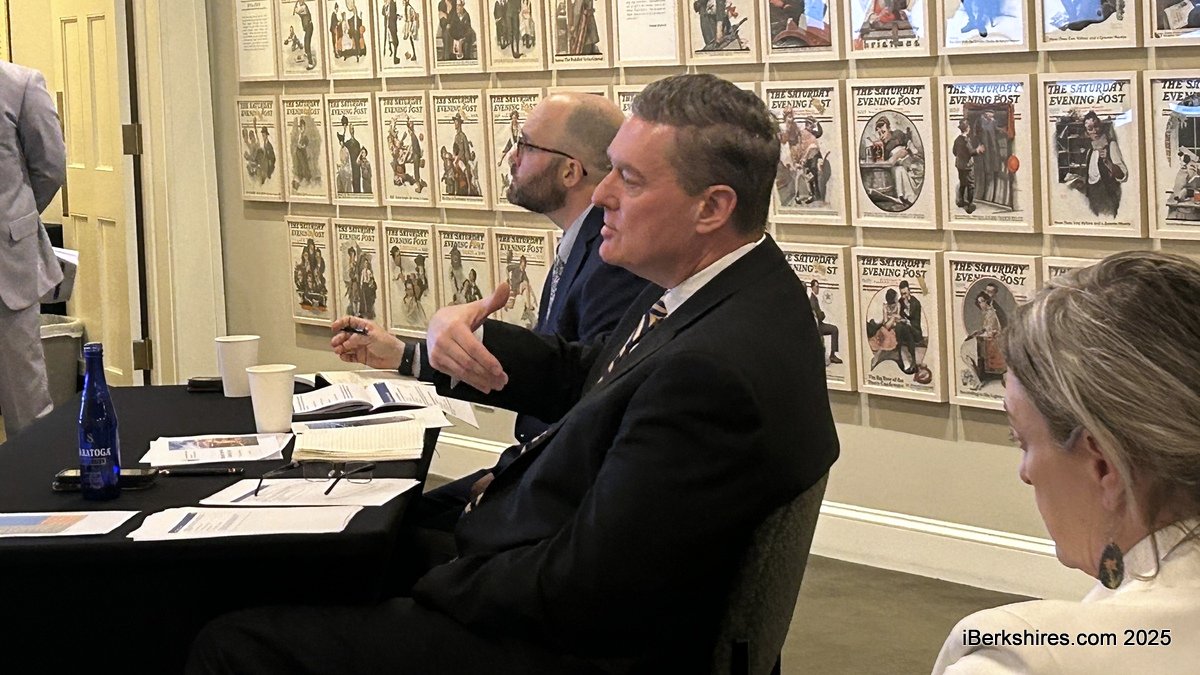
Augustus said he is "open-minded" and doesn't have preconceived notions about the effort to create tools to address the unique housing needs of communities that experience substantial variation in seasonal employment.
"I think our goal is to get, hopefully, all of the 25 that were listed in the statute to accept that designation, to figure out the criteria by which we might invite some additional communities to get that designation and have them do that process," he explained.
"And then to get regulations that put in place the mechanism for using the tools that are identified in the statute, some of which I just mentioned, as well as starting to explore what other tools we might want to identify."
Communities in this designation can prefer housing for municipal workers, establish trust funds to preserve affordable housing for residents and artists, create housing needs assessments, allow tiny homes by right and increase property tax exemptions for primary residences.
Of the more than 43,000 registered short-term rentals in Massachusetts, Berkshire County has about 1,800. Most second homes are in South County, several communities having between 60 percent and 85 percent. The Berkshires have a higher seasonal employment ratio than central Mass, with several communities having a ratio of 1.5-2 and higher.
The county's area median income ranges from $100,000 to $110,000 for a four-person family while the average home in South County costs several hundred thousand dollars.
For additional communities to be considered seasonal, they must have high rates of short-term rentals, significant population increases with seasonal visitors, excessive disparities between the area median income and the income required to purchase the local median home price, a percentage of seasonal housing, and high variations in the average monthly variation of employment.
Augustus said the state has to do everything the statute requires within the next year "and then beyond that, how do we further expand the things that we can put in place that will help the unique challenges of seasonal communities."
He explained that the designation has no cap but every community in the state won't locally be a seasonal community.
"That's where we're trying to figure out, where do you chop those lines and there are some statutorily identified benefits of being a seasonal community," he said, such as the Year-Round Housing Trust.
The EOHLC has proposed three working groups to facilitate the development of regulations by the fall: Metrics and Further Designation, Year-Round Housing Trusts and Restrictions, and Tools and Requirements: Existing and Future.
Augustus noted the office is taking additional suggestions for working groups.
When asked, the secretary also weighed in on funding uncertainties to recent executive orders by President Donald Trump. He reported that the Affordable Homes Act "really is state funding but often, state funding being blended with federal funding."
While not directly impacted, cuts could affect a project that has also received federal dollars such as the Low Income Housing Tax Credits.
Augustus said Trump's proposed tariffs on Canada, Mexico, and China add another level of uncertainty to this conversation because of building costs.
"When you think about development, a lot of development deals with trying to attract investment equity, different funds that put money into housing development. Well, equity doesn't like uncertainty," he added.
Earlier in the day, Augustus joined the Berkshire Edge and local housing policy experts on Community Television of the Southern Berkshires to discuss how state efforts can support bringing down costs amid the housing crisis. He reported hearing about the unique challenges that rural communities face with infrastructure, planning capabilities, and technical assistance.
"Honestly, it was a comprehensive conversation that really ran the whole waterfront of issues facing the Berkshires," he said.
"And issues facing the Berkshires are also issues facing the commonwealth."
Tags: affordable housing,