Triplex Cinema to Screen Documentary on Sustainable Diets, Host Panel Discussion
GREAT BARRINGTON, Mass. — The Triplex Cinema will host a screening of the documentary film "Eating Our Way to Extinction" on April 22, followed by a panel discussion featuring author Ginny Messina, environmental activist Brittany Ebling, and Susan Purser.
Narrated by Academy Award-winner Kate Winslet, the film explores the environmental impact of meat production, advocating for the avoidance of animal products as a means toward a sustainable future. The documentary reportedly presents issues such as deforestation, air and water pollution, and resource depletion through a combination of journalism, scientific data, interviews, and investigative reporting.
This event marks the beginning of the Triplex 2025 Environmental Series, sponsored by the Dr. Robert C. and Tina Sohn Foundation and the Lenox-based Roaring Brook Foundation.
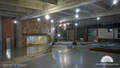
A reception with food samples from the Berkshire Food Co-op will follow the screening and panel discussion in the Triplex Lobby. Tickets for the event are available for purchase at www.thetriplex.org.
"Eating Our Way to Extinction," directed by Otto Brockway and Ludovic Brockway, with Kate Winslet as an executive producer, was released in 2021 and received the Best Documentary award at the 2022 Environmental Media Awards.
Ginny Messina, a Berkshire County resident and registered dietician known for her work in plant-based nutrition, will participate in the panel and sign copies of her book, "Vegan for Life: Everything You Need to Know to Be Healthy on a Plant-based Diet," co-authored with Jack Norris. Related materials will be displayed in the Triplex lobby.
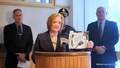
Gail Lansky, President of the Triplex Board, expressed gratitude to the Robert C. and Tina Sohn Foundation and the Roaring Brook Foundation for their support of the environmental series. She noted the success of the previous year's screenings in bringing the community together and anticipates a similar outcome this year. Lansky also acknowledged Stephanie Blumenthal for her efforts in organizing the event.
The Dr. Robert C. and Tina Sohn Foundation supports initiatives in environmental awareness, alternative health care, and the arts, with a focus on educational projects for underserved populations, particularly young people. The Roaring Brook Foundation supports nonprofits in the areas of climate resilience and environmental stewardship, local food systems and nutrition security, and youth leadership, outdoor education, and liberal arts.
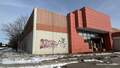
Triplex Cinema, Inc., a nonprofit organization, offers a variety of films, including first-run, independent, foreign language, classic, children’s, and documentary features, as well as locally produced films and thematic programming. The Triplex also collaborates with schools and local nonprofits on community-focused programming.