Nature Conservancy Welcomes Hikers to New Washington Trail
WASHINGTON, Mass. — The Nature Conservancy created a trail along Coles Brook with the property's history in mind.
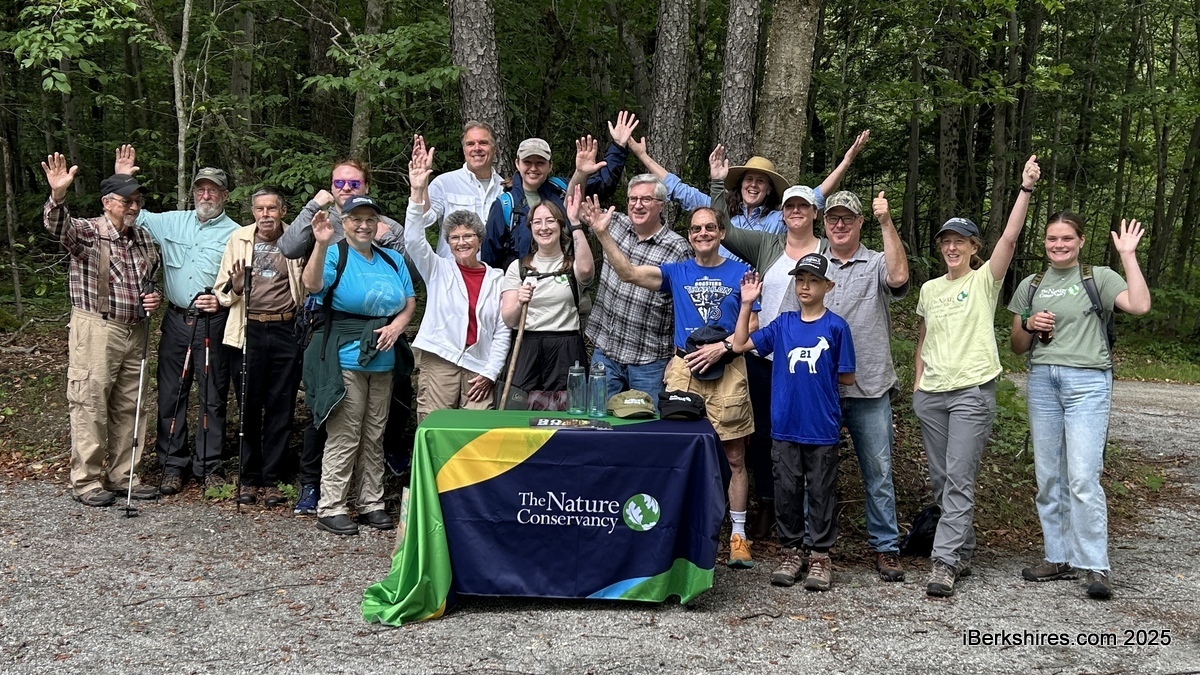
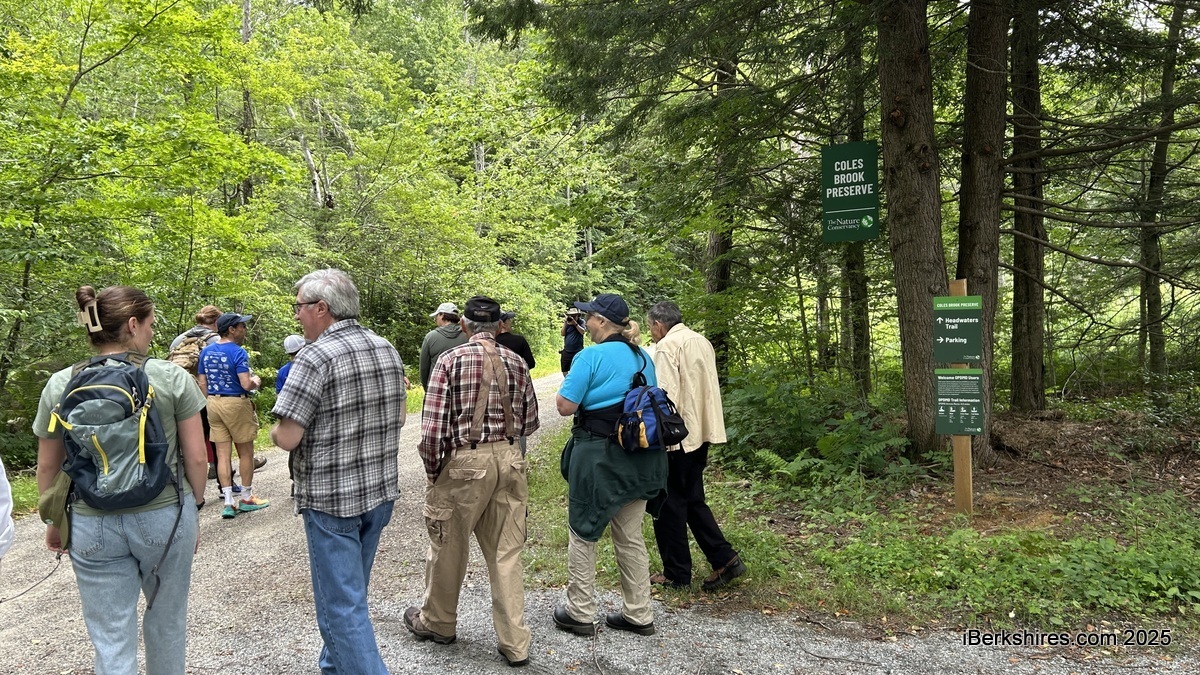
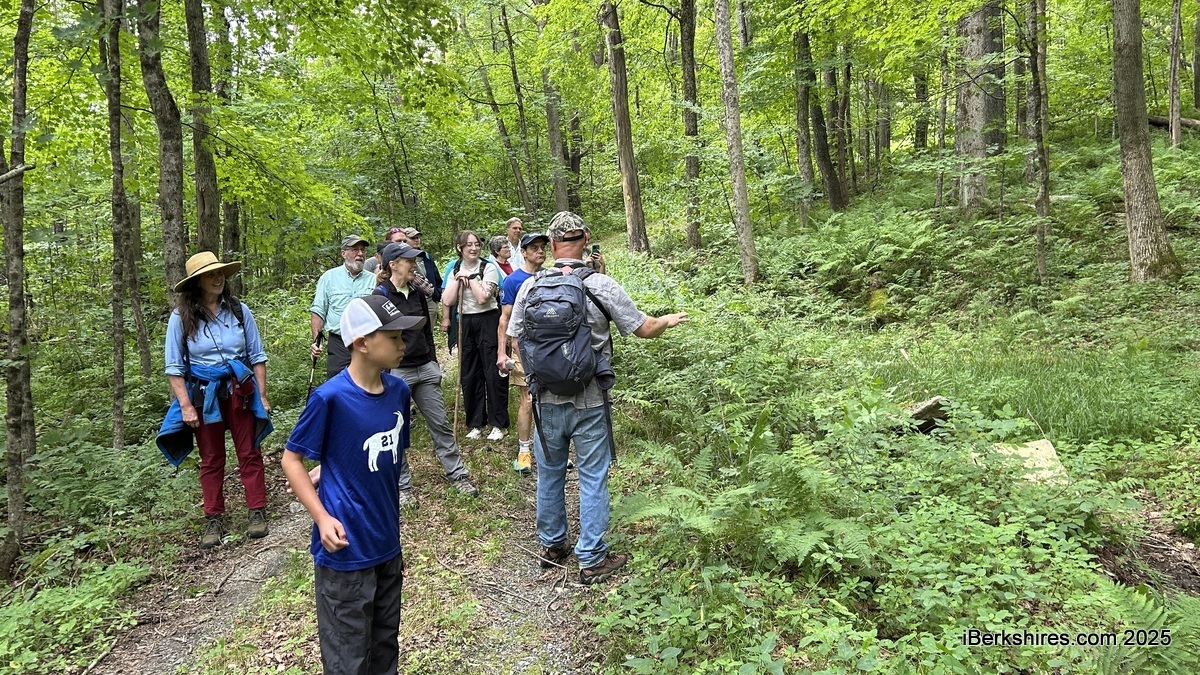
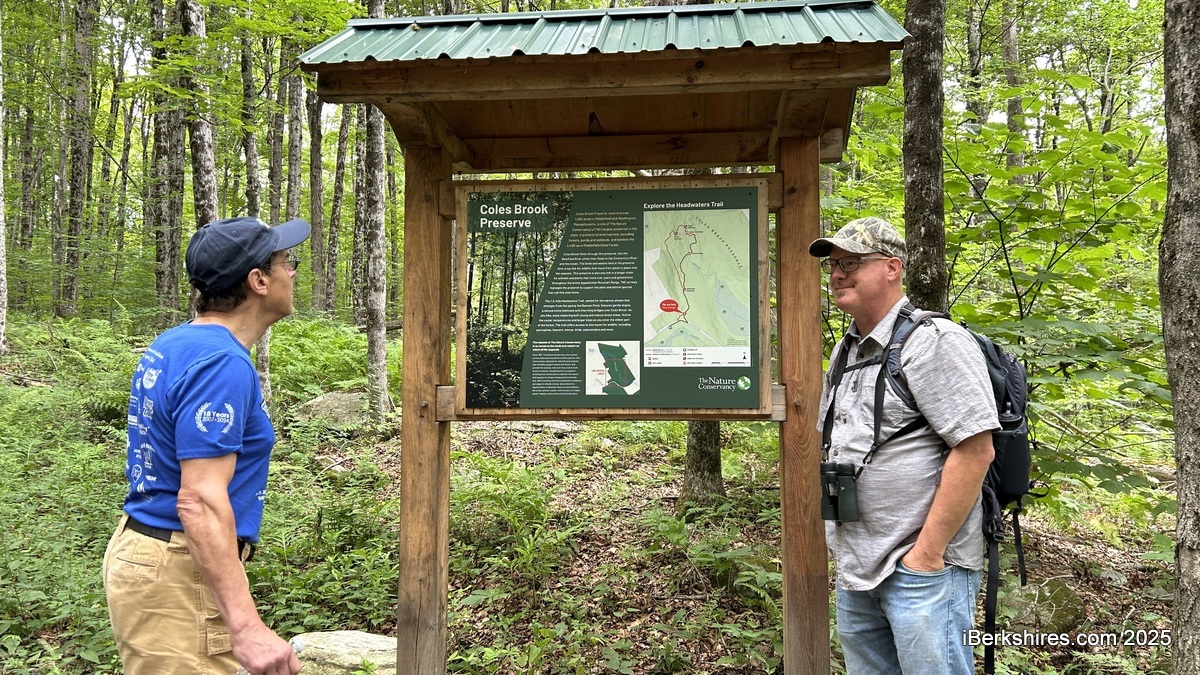
On Friday, the nonprofit held the first guided walk through the Headwaters Trail Loop, located in the Coles Brook Preserve. The nearly 1,500-acre property that spans into Middlefield now has a 1.2-mile trail with an OPDMD (other power-driven mobility devices) route.
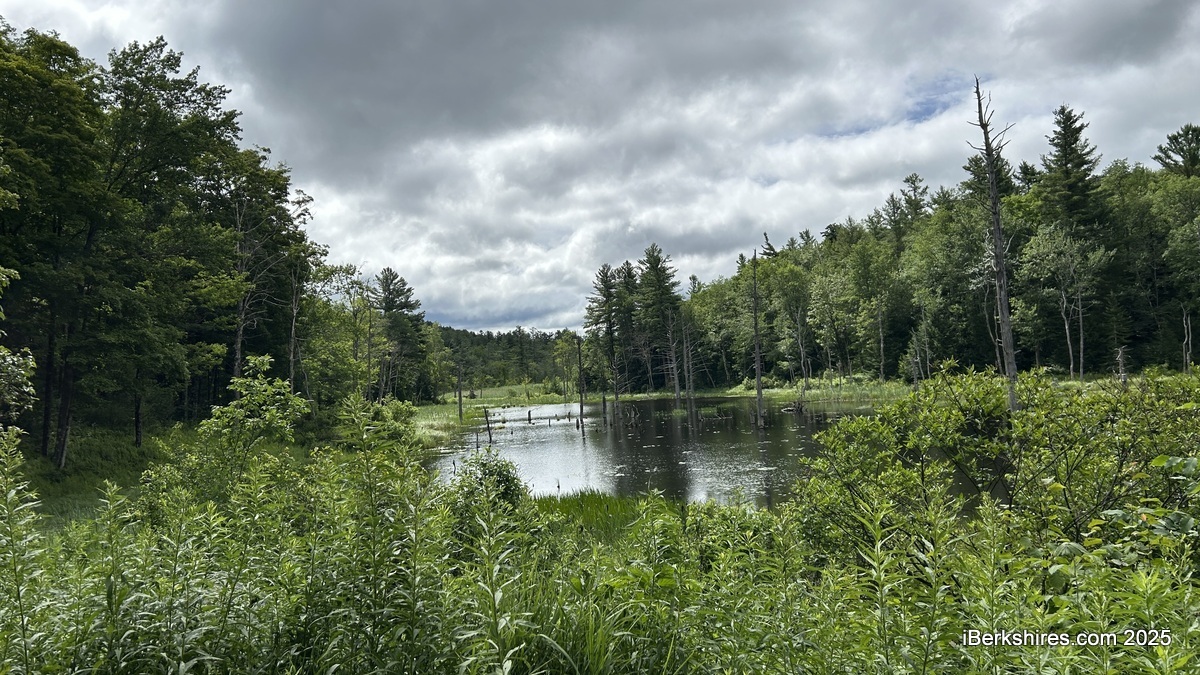
The conservancy hasn't had a trail opening for more than 25 years, and now has about 10 statewide. Coles Brook is one of the organization's largest state preserves and consists of shrubby wetlands, coldwater streams, hemlock forests, and rocky terrains.
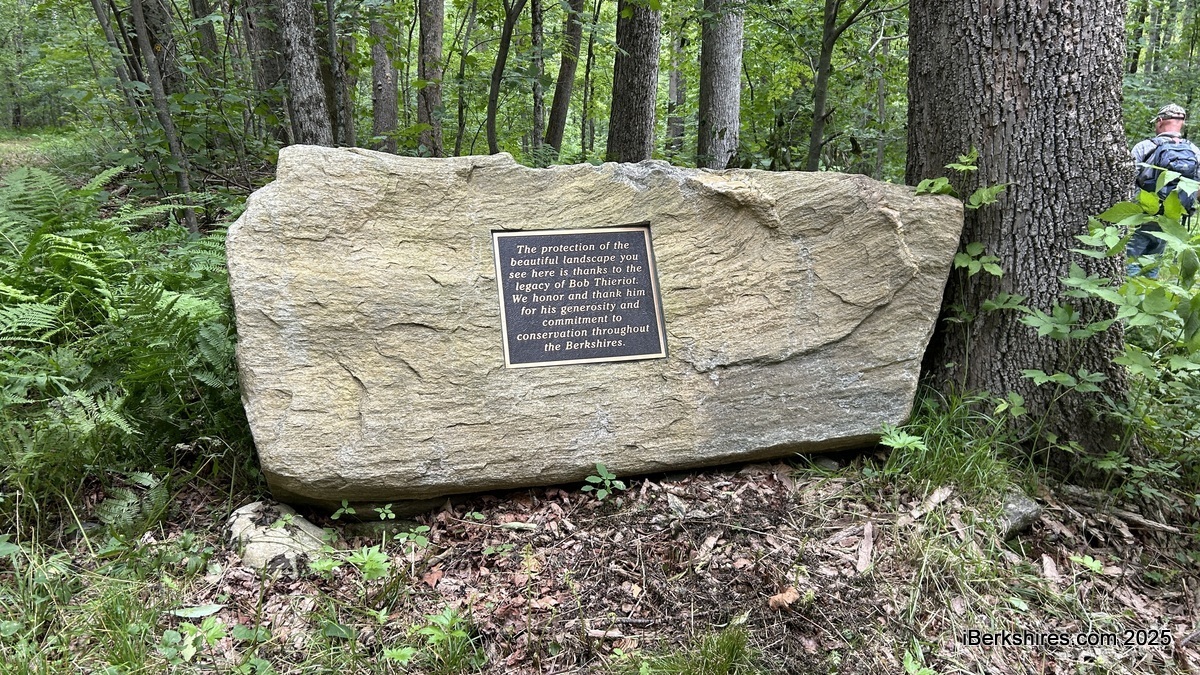
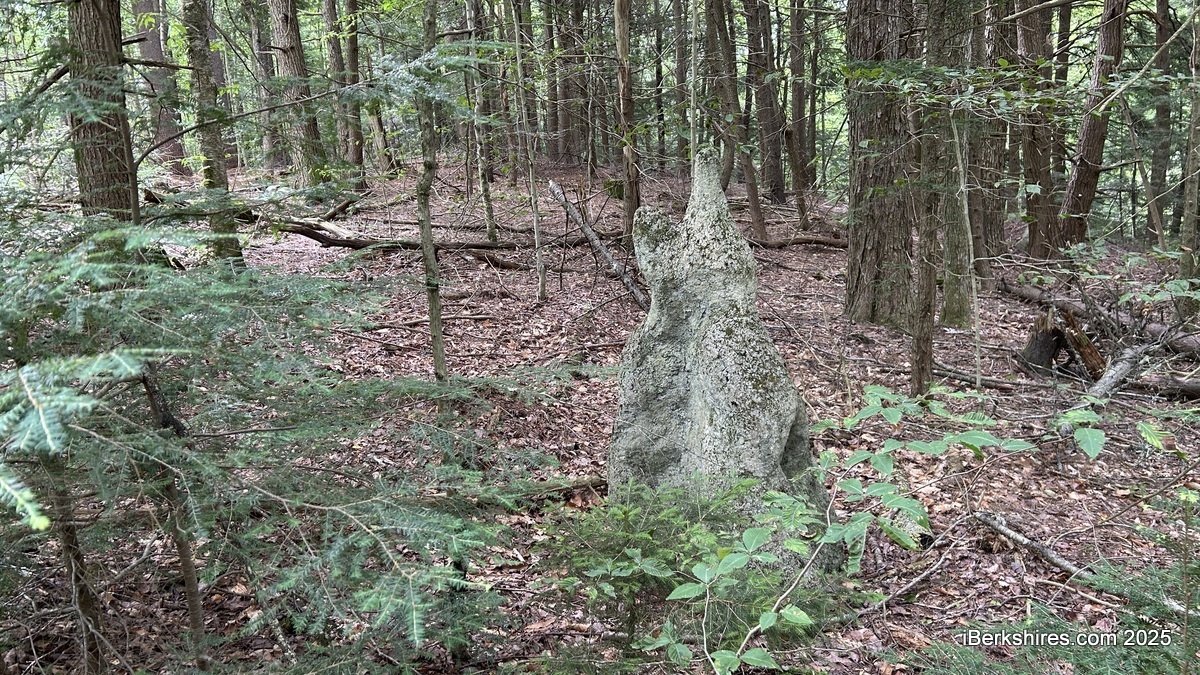
Over the last 20 years, the conservancy has protected more than 16 tracts of land along the brook to create the preserve. Elements from past owners remain, such as art installations, rock walls, and a bridge that led to a former off-grid home owned by Roy Bryan and Susan Minnich.
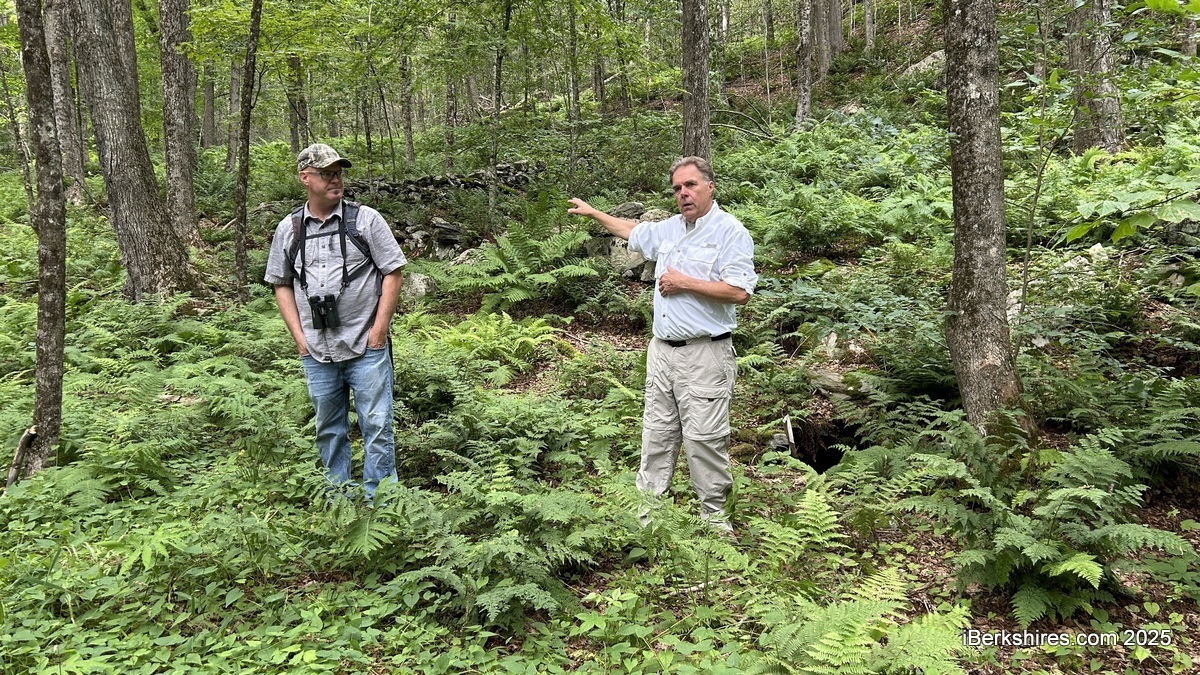
"This one I'm really proud of, because, soup to nuts, this has been my project, my love, for the last couple of years. But no man does anything, no woman does anything alone," land steward Rene Wendell said, pointing to the conservancy staff, neighbors, and contractors who helped make it happen.
Before the trail, the reserve had no designated area to welcome the public. Over the last decade, the larger organization has worked to invite more people outdoors by making trails as accessible as possible.
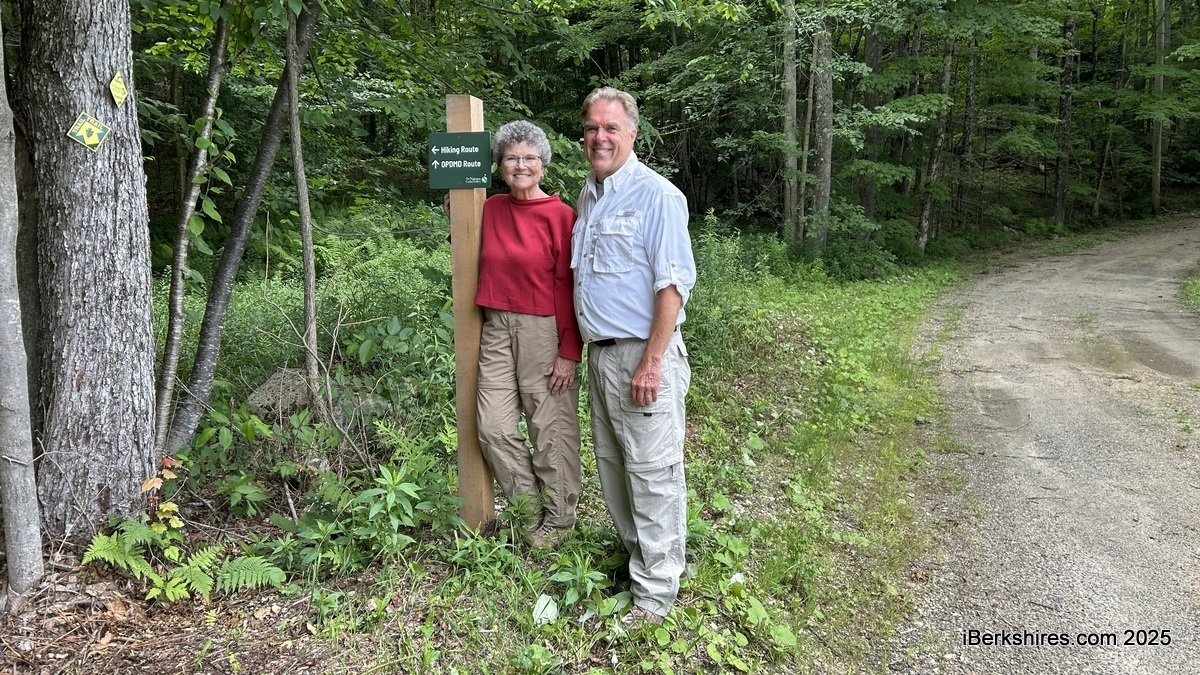
Wendell explained that a half-mile driveway leading to the Minnich cabin site could be used by people with power-driven mobility devices. This became the OPDMD route, described as being "mostly flat and level with modest to moderate elevation gains."
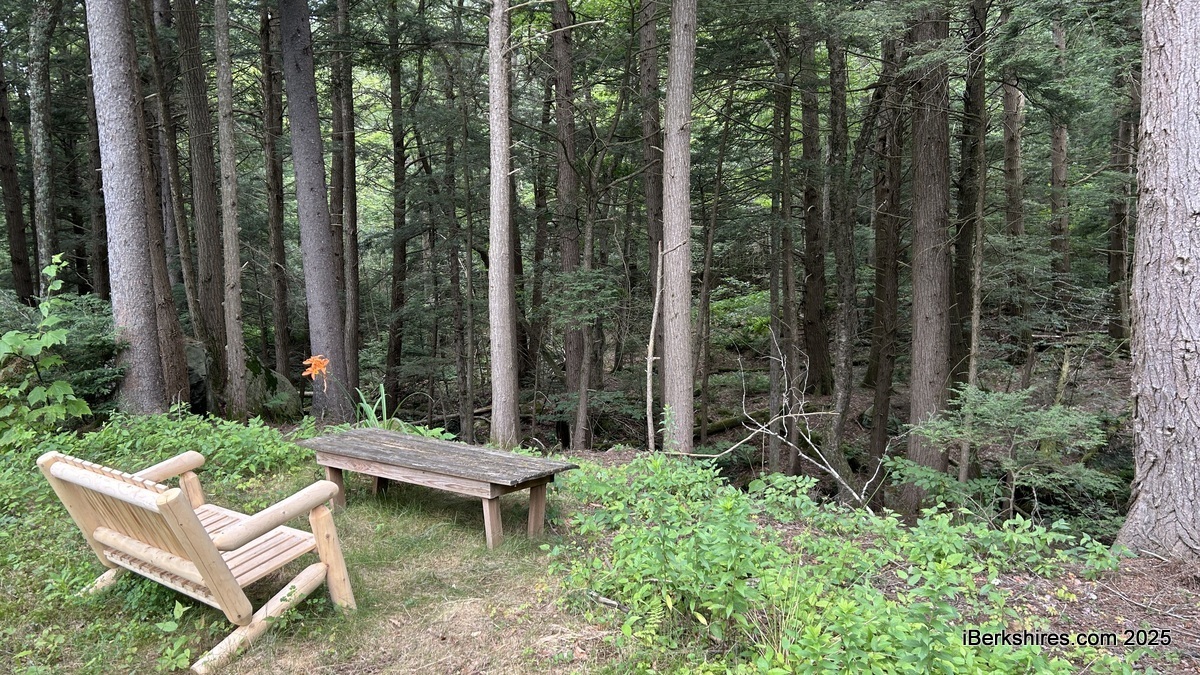
The house, taken down in late 2020, was constructed by hand.
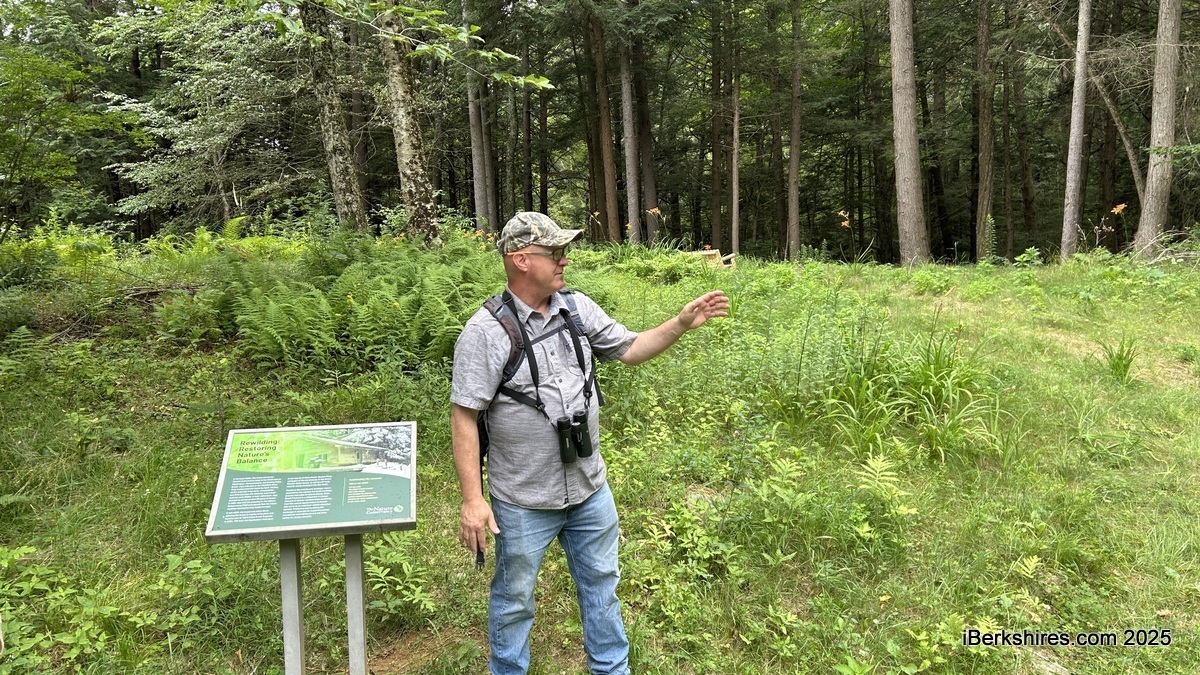
"In the early 1980s, Roy Bryan and Susan Minnich built a house deep in the forest here in Washington, Massachusetts, overlooking Coles Brook, a key tributary to the Westfield River. They constructed a house by hand, hauling all the materials in by carts, snowmobiles, and ATVs because the driveway wasn't built until the early 2000s," a sign near the site reads.
"In their retirement, they decided to conserve their 60 acres of forest. In 2019, they sold the property to The Nature Conservancy (TNC) and agreed that the house could be removed to fully rewild the land."
Mary and Bob Latham, who sold about 25 acres to the conservancy, were present on the walk. They originally purchased the property in 1979 to build on, but are glad to see it being protected.
"It kind of warmed my heart to be able to come back and see all the great work that everybody did to preserve this as we kind of hoped for. It stayed so natural, and also to feel the energy of everybody today. Everybody's so excited and happy about what it is," Bob Latham said.
"… It just made sense, and came to be, so it's a nice story for us."
While the two came to the hourlong walk with knowledge about the property's history, they reported learning "so much more."
Massachusetts Director of Stewardship and Restoration Karen Lombard explained that AmeriCorps crews worked on segments of the trails over the last couple of years, and the signs were finished this year.
The acquisition was covered by donors and foundations. Sometimes, the conservancy receives state funding when land is eventually transferred to the state. Lombard explained that they have protected almost the whole brook over the last two decades, starting on the Middlefield side and buying properties when owners are willing to sell.
The conservancy has about 10,000 acres in Western Mass and the Berkshires, owning about 8,000 acres and having a couple of thousand acres of conservation restrictions.
"We have protected over 30,000 acres in Massachusetts, and a lot of the land we protected has been transferred to state agencies, federal agencies, local land trusts," Lombard explained.
TNC's goal is to preserve the integrity of the rivers and forests in the Westfield River watershed area as a vital corridor connecting the Central and Northern Appalachians, an essential strategy for supporting wildlife and climate resiliency.
Tags: conserved land, nature, trails,