Second Chance Composting has Moved and Expanded
SAVOY, Mass. — Second Chance Composting recently expanded and relocated.
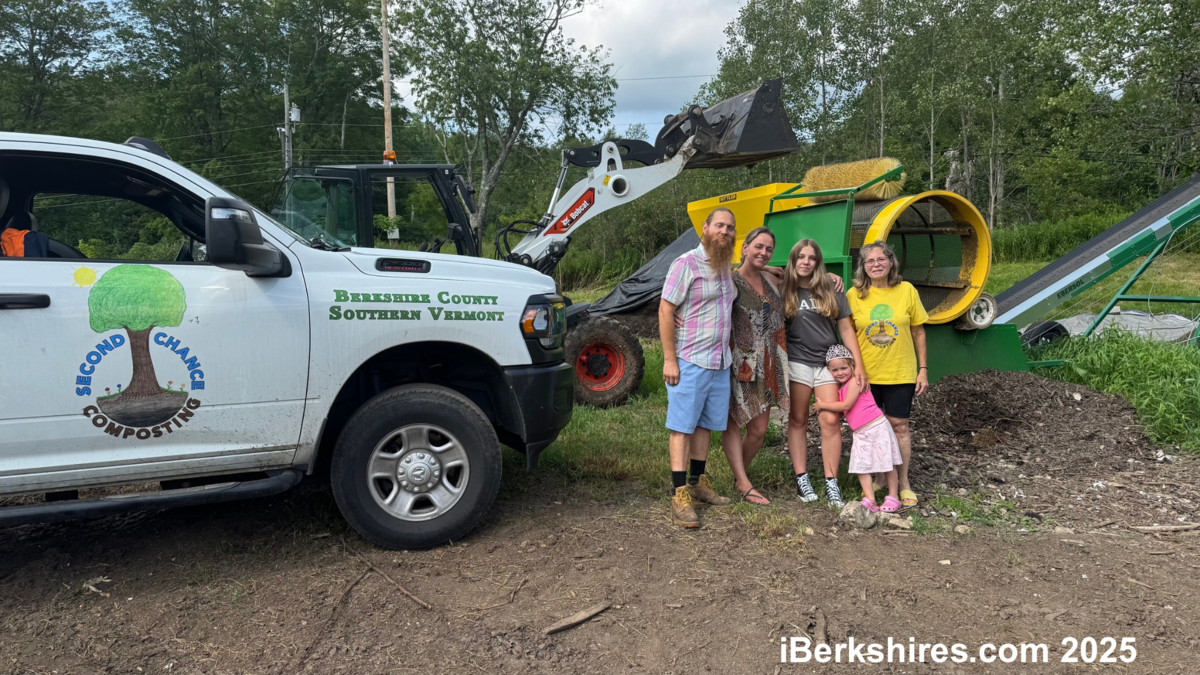
The composting company used to be in Cheshire but moved to 96 Main Road in Savoy in March.
"We're operating full scale out of here. So all the material, all the food scraps that we pick up and haul, we bring here, and then we mix them with material. So kind of the real big benefit to the community here is that this is a place where homeowners can bring their leaves for free," said owner John Pitroff.
Second Chance also partners with landscaping companies which can drop off loads of leaves and wood chips to be put to good use. Residents can also drop off scraps if they are signed up for the program.
Pitroff said he hopes this will benefit everyone.
"If we can help them save some of their waste products and do it in affordable or free way for them, I think it benefits everybody, right, benefits them, benefits us, and it benefits the community, because then we can use it, create this stuff that can go out, create the compost going to be used again," he said. "So that was kind of my goal, make this a little bit more of a community hub for those types of things."
He said the new space is bigger and more community friendly in access.
"We've scaled up as far as, like, the amount of room we have, and at the other location, it wasn't as open to the community as this," he said, and that the next big milestone and is getting the processed compost into stores.
"I'm working on my plan for next year. I'm currently working on a better, more efficient bagging system. But I work with a lot of places ... and my plan is to go into those places and say, 'Hey, would you carry our product.'"
Compost is sold at $89 a cubic yard and for $14.99 in 20-quart bags. The material is subjected to high temperatures during processing to meet federal standards to reduce any possible pathogens with end product a rich, dark soil. The company also sells mulch by the cubic yard and 20-quart bag.
Second Chance Composting recently expanded its Residential Community Composting Program to 11 locations in the Berkshires. The program runs all year long and Pitroff sees its expansion as making it more convenient for county residents to find composting drop-offs closer to their home or work.
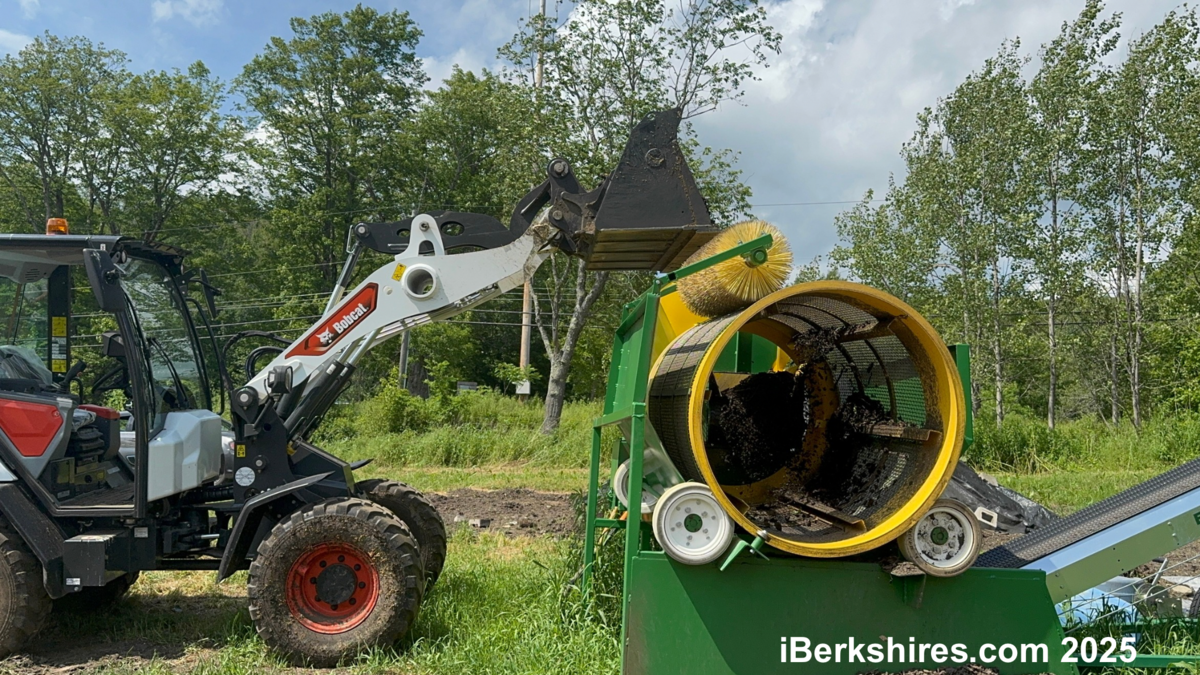
A mechanized rotary compost screener purchased through a grant helps move material through the process faster. The company received a $100,000 Recycling and Reuse Business Development Grant from the Department of Environmental Protection last year.
"We didn't have that before, we were doing it by hand," Pitroff said of turning and screening the material. "So this can do anywhere from eight to 10 yards an hour, by hand I could do one yard probably every two hours. So this is huge for us," he said.
Second Chance Composting has composted more than 1.2 million pounds of food scraps and other organic materials since opening.
Memberships start at $9.99 per month with an annual fee. Any and all food scraps are accepted and members can drop off as many times as needed a month. Customers can also sign up to receive compost back.
Find out more on the website.
Tags: business changes, composting,