Elevated Mercury Level Found in Center Pond Fish

Print Story | Email Story
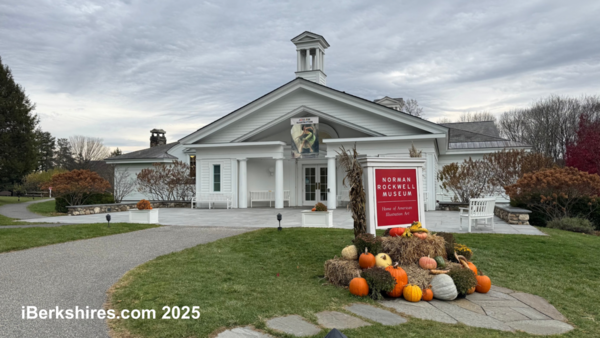
BECKET, Mass. — The state Department of Public Health has issued an advisory after a mercury-contaminated fish was found in Center Pond. 
 
According to a letter sent to the local Board of Health from the Division of Environmental Toxicology, Hazard Assessment and Prevention, elevated levels of mercury were measured in the sample taken from the pond. 
 
The concentration in the fish exceeded DPH's action level of 0.5 milligrams per kilogram, or parts per million. 
 
"This indicates that daily consumption of fish from the waterbody may pose a health concern. Therefore, DPH has issued a FCA for Center Pond recommending that sensitive populations should not eat chain pickerel and all other people should limit consumption of chain pickerel to 2 meals/month," the letter states.
 
The letter specifically points to chain pickerel, but the 60-acre pond also has largemouth and smallmouth bass and yellow perch.
 
The "sensitive populations" include children younger than 12, those who are nursing, pregnant, or who may become pregnant.
 
The Toxicology Division recommends reducing intake of "large, predatory fish" or fish that feed on the bottoms of waterbodies, such as largemouth bass and carp. More information on safely eating fish can be found here

Tags: fishing,   health advisory,   

If you would like to contribute information on this article, contact us at info@iberkshires.com.

Berkshire County Getting $4M Toward Housing Improvements

By Brittany PolitoiBerkshires Staff

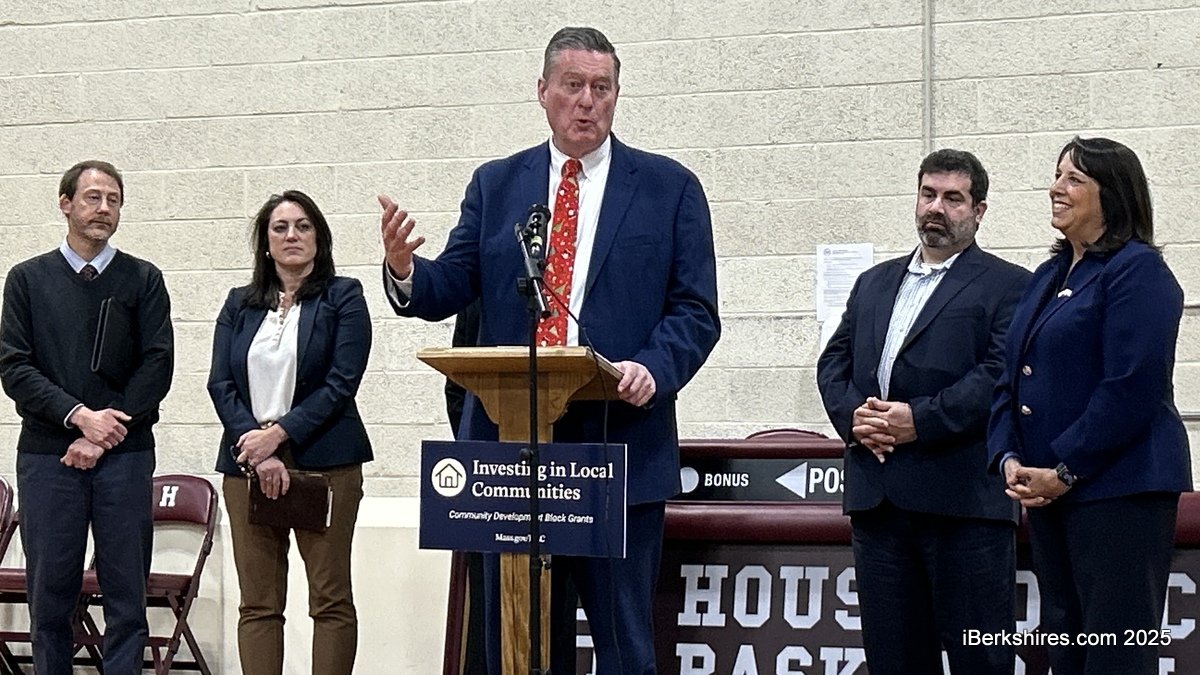
Housing Secretary Ed Augustus has been a frequent visitor to the Berkshires and says a new rural designation for the Housing Choice Initiative grew out of conversations with small towns.  

GREAT BARRINGTON, Mass. — Millions of federal Community Development Block Grant funds are coming to Berkshire County for housing and economic development. 

On Thursday, Lt. Gov. Kim Driscoll said announced $33.5 million in federal CDBG funds, of which $5.45 million will be coming to the county. 

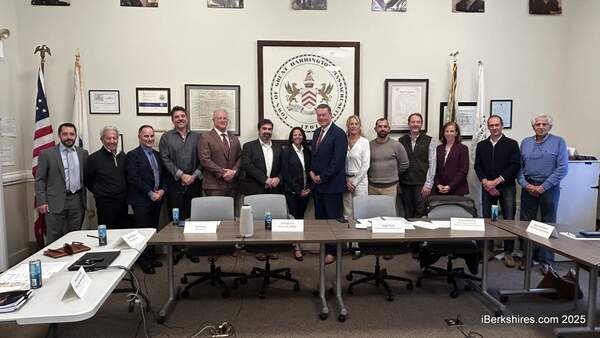
Great Barrington, in conjunction with Egremont and Stockbridge, has been allocated $1.25 million to rehabilitate approximately 14 housing units. 

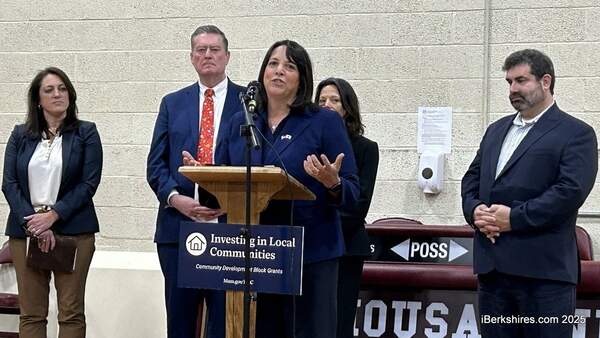
"We really recognize the importance of having strong local partners who are doing that hard work every day, educating our kids, keeping our neighborhoods safe, investing in the best of what makes our community special, places we make memories, places that drive the economy," said Driscoll at the Housatonic Community Center.

"These dollars in particular can help do all of that, along with helping cure older housing stock and meet the needs of community members who might find a desire to have a new roof or make a housing unit more accessible, but don't always have the resources to do it. These dollars are really special, and we're really grateful." 

The federal fiscal 2025 CDBG awards, funded by the U.S. Department of Housing and Urban Development and administered by the state Executive Office of Housing and Livable Communities, help small cities and towns undertake projects that benefit low and moderate-income residents.

The more than $33 million will be dispersed to 52 communities across the commonwealth. Hinsdale and Florida will share a total of $950,000 to rehabilitate 11 housing units; Lenox and Sandisfield will share a total of $1,050,000 to rehabilitate 12 housing units, and New Marlborough, Mount Washington, and Otis will see a total of $1,250,000 to rehabilitate 15 housing units. North Adams is getting $950,000 for the second phase of senior center improvements and road repairs.

The funds can be used for projects involving housing rehabilitation, sidewalk and road improvements, planning studies, public facility upgrades, and social services such as food pantries, youth programming, and homelessness prevention. 

Town Manager Liz Hartsgrove said this reflects what is possible when federal, state, and local governments work together, and that the public investment shares significance beyond dollars alone. 

"These programs and projects become instruments of stability, equity, and trust. It allows the government to meet real needs, strengthen neighborhoods, and ensure residents can remain safely and securely in their homes. Places where lives are built, memories are formed, and community identity is shaped for generations to come," she said. 

"Investments like CDBG reduce uncertainties for families, provide reassurance for seniors, and create pathways for households to remain rooted in the communities they contribute to every day. When individuals and families are supported in this way, they are better positioned to thrive, and when people thrive, communities grow stronger, more resilient, and more connected." 

View Full Story

More South Berkshire Stories