Lanesborough EMS Soon Moving Next to Police
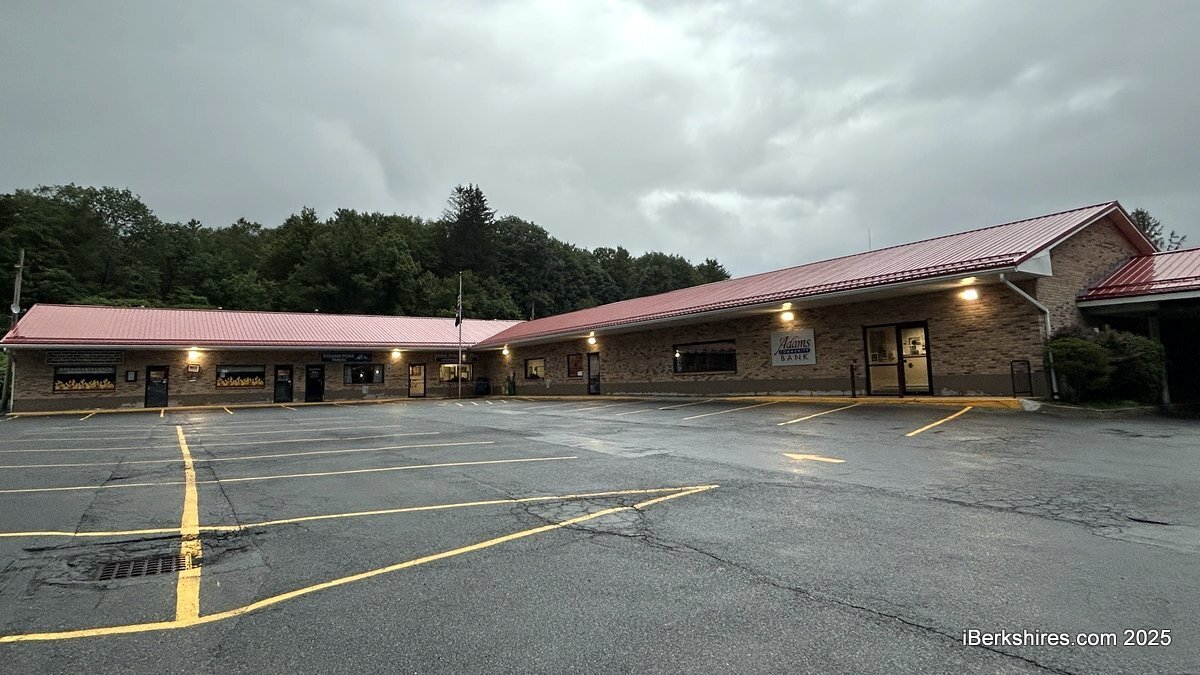
LANESBOROUGH, Mass. — The Select Board approved the EMS department's lease at the Lanesborough Plaza, effective January.
The town's emergency medical services and police departments will be located adjacent to each other at the rental site on South Main Street.
EMS Director Jen Weber reported that they hit some roadblocks with power in the garage and are at the mercy of the electric company to get it running, as Lanesborough EMS has been on Eversource's schedule for eight weeks.
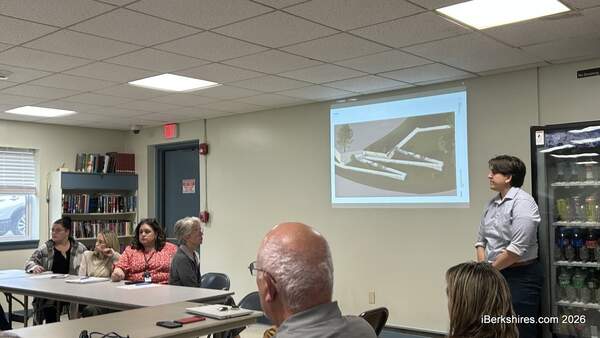
"What we do have right now is the inside is complete, barring a couple more little things that need to be done," she told the Select Board last week.
"What we would have at that point is a space for us to go when we're not able to be at the firehouse. So it would be set up enough for us to use it in that way, just that we would have to kind of limit our timing there, because of not having the truck plugged in and in the appropriate temperature to idle the truck, depending on the temperature outside."
EMS was asked to leave the firehouse earlier this year because of lack of space. The fire station is owned by the independent Fire Association. The town has been mulling a shared public safety facility with the police for years.
In July, it voted to enter negotiations with Lanesboro Plaza LLC to house the ambulance service.
After the board approved the lease contract, Weber delivered an update on staffing and the department's structure. She stressed that overnight shifts allow EMS workers to earn more money and make the workplace more desirable.
Overnight calls have increased 32 percent since 2022, and 24 percent since last year. Because of insufficient sleeping quarters, two EMS staff members accept an overnight stipend fee of $50 to be within six minutes of the station, and $40 per call.
"This was kind of a Hail Mary that we put up when we had an immediate staffing change. The problem with this system, though, is that nobody else lives in Lanesborough other than me, so in order for them to be there in six minutes, they have to find their own lodging, or some of them have been sleeping at the fire station," Weber said.
"Almost every other employee that I have is also employed at other ambulance agencies, which do pay regular shifts overnight. So a lot of them will have a shift that ends at 11 p.m., and they have to be back at 7 a.m., and they won't take the overnight shift because they can go get full compensation at other agencies. So I'm having a very hard time filling these shifts, and really, what that means is, in the last four years, I've covered 82 percent of them myself."
This model brings concerns about delayed response times, reduced workforce sustainability, issues with recruitment and retention, and higher administrative overnight demands.
Weber explained that almost every other provider in the area offers overnight shifts, and a regular eight-hour shift will yield "substantially" more payment for the first responders in the new station. The goal is to maintain safe and reliable overnight EMS coverage, reduce reliance on extended shifts, improve workforce sustainability, and balance operational needs with employee well-being.
"I think you've heard this multiple times on multiple sides, is that volunteerism and stipend pay, it's not happening anymore. It's dying. You really have to pay people for their time," she added.
With the current salary rate of $24 per hour, it would cost about $2,300 per week, and more than $3,400 for the overtime rate of $36 per hour. For the 26 weeks, this would amount to between $60,000 and $90,000.
The hope is to hire more employees so those hours are not all overtime.
Weber said two of the 12 extra shifts will be hers and come out of her salary, and much of the cost can be accounted for from other sources, such as the underspent stipend line and rent funds left over from the delayed move.
"I also think there are a couple of other places that I can borrow from if we need to, or I can cut back on, to make this happen," she said.
"I can tell you, though, my concern is, if we don't, I don't think you're going to have service in the overnight hours."
Chair Deborah Maynard highlighted the importance of having ambulance service to the town, but cautioned that the taxpayers are carrying a "heavy burden" as it is now, and hopes the EMS department is frugal with its budget.
Tags: ambulance service,