Pittsfield Subcommittee Supports $15M for Water Plants, Files Wastewater Ask
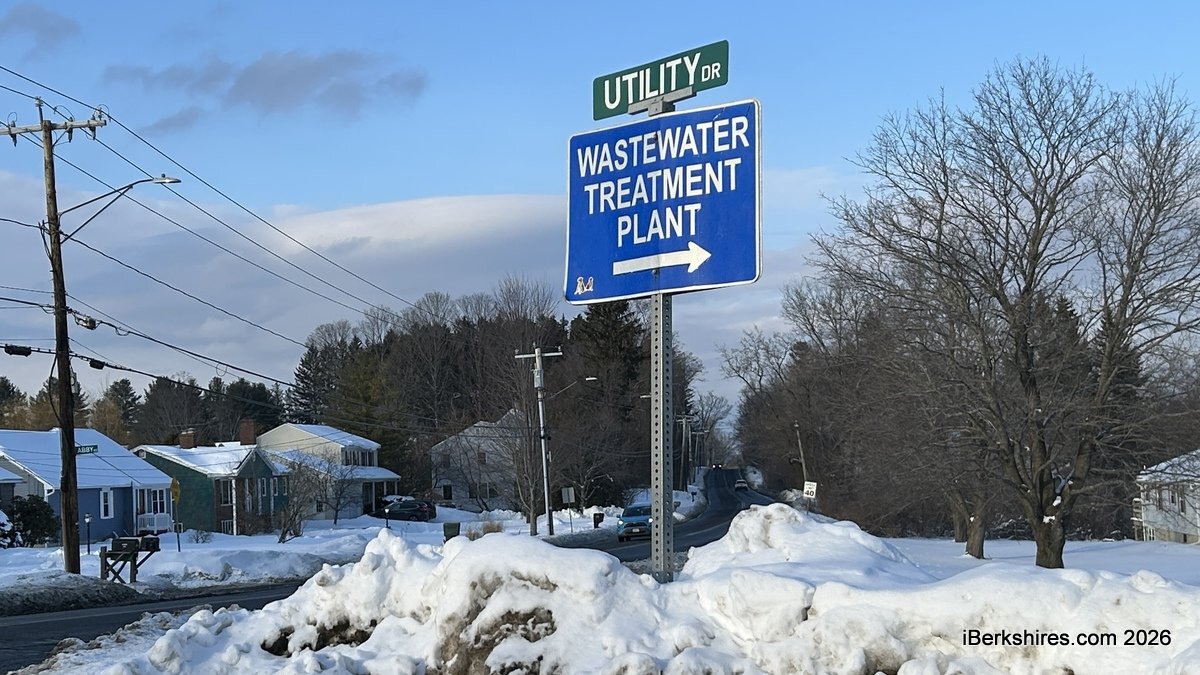
PITTSFIELD, Mass. — The city has subcommittee support on $15 million in borrowing for water treatment system upgrades, and will return with a refined proposal for the wastewater treatment plant.
On Monday, the Finance Subcommittee supported a request to borrow $15,000,000 for upgrades to the Ashley and Cleveland water treatment plants. Commissioner of Public Services and Utilities Ricardo Morales explained that this is the very first step in a multi-phase project. It is expected to conclude in 2033.
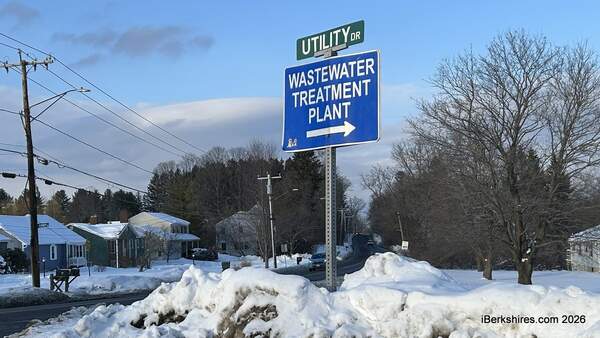
The subcommittee filed without prejudice a request to borrow another $15,225,000 for the construction of a new administration and laboratory building at the wastewater treatment plant. There was a robust discussion about the proposal at the last meeting, with councilors focused on ensuring it is appropriately scaled, fiscally responsible, and transparent.
Morales reported that the city will take a step back and revisit the basis of WWTP design, and return with a refined proposal that addresses concerns.
"While the current design was developed from the recommendations outlined in the 2016 Facility Plan, we did not conduct a full alternatives analysis comparison," he wrote in a communication to the subcommittee.
"That analysis, along with a deeper review of building type, footprint, and value engineering opportunities, is warranted."
Subcommittee members were invited to the water treatment plants for site visits, and, on Monday, representatives from the AECOM infrastructure consulting firm detailed the scope of work and timeline.
Councilor at Large Kathy Amuso thanked the water department for the visit, explaining that she was impressed with the number of staff and their knowledge. She said it made a big difference.
"I mean, there wasn't anything anybody asked that you couldn't answer, and it was impressive," Amuso added.
Councilor at Large Earl Persip III described the tour as top-notch.
"Saying the plants are in good hands is an understatement, and I don't know a better one right now, but you've got great staff out there, and I think that's important, and the miracles they pull off on a daily basis so everyone can have clean drinking water should be commended," he said.
Pittsfield's two Krofta drinking water treatment plants were installed in the 1980s and are said to be beyond anticipated useful service and at risk for catastrophic failure that could leave Pittsfield with a shortage of potable water. Krofta is a compact filtration system that Pittsfield will continue to use, with four new units at the Cleveland WTP and two at the Ashley WTP.
The full drinking water project is expected to cost $165 million over the next eight years, with $150 million for long-term construction and $15 million for near-term needs. The initial ask would fund the final design and permitting for Phases 1-3 andPhase 1 of interim updates.
The $15 million borrowing breaks down into $9.2 million for the design and permitting, $2.4 million for the construction of Phase 1, and $1.4 million in city allowances, including owner’s project manager services, land acquisition, legal fees, and contingency.
Pittsfield's water system includes six surface water reservoirs, five high-hazard dams, one low-hazard dam, two water treatment plants, two chlorinator stations, and gravity flow from the plants to the city. It serves Pittsfield, Dalton, Lenox, and the Berkshire Mall property.
"Unique to Pittsfield is that you have two water plants. That can be a definite advantage when you're looking at redundancy and resiliency, but it also can be a challenge when you have to upgrade two plants at once, which is what you're facing," said Doug Gove, senior vice president at AECOM.
"But the city has a very robust water system, several drinking water reservoirs that feed those plants up in the Berkshires and pristine areas, so you are very lucky to have a great system to start with."
Conceptual design reports for the Cleveland and Ashley WTPs were done last year, and the preliminary design is at 30 percent. The two plants will have a capacity of around 17.5 million gallons of water per day when completed, with about 5 million gallons coming from the Ashley WTP and about 12.5 million gallons coming from the Cleveland WTP.
Rhonda Pogodzienski, vice president at AECOM, reviewed the components for the conceptual design of both water treatment plants. This includes a total of six KROFTA SBP-40 units, a new chlorine contact tank and clear well, upgrades and mold remediation in the buildings, and a new chemical building at the Cleveland WTP.
"The next steps that are recommended are to go ahead and do some geotechnical investigations that are required to help with finalizing the structural design, proceed with finalizing the preliminary, and then move on to final design," she said.
"As part of that, we would prepare an opinion of probable construction cost based on the documents for preliminary design."
If funding is secured, the first phase would go out to bid in the fall with the hope of having a completed roof before wintertime.
Between this year and 2030, the team would design and build two new water storage tanks that support the WTPs, chemical improvements, and a filtered water pumping station at the Cleveland WTP, and a new pumping station at the East New Lenox Road flow control station to allow the Ashley WTP to be taken offline for construction.
Between 2028 and 2033, both WTPs would see "major" process and building improvements, as well as upgrades to the Lower Ashley Reservoir and gatehouse.
Tags: drinking water,