Adams Planners Talk STR Parking, Sprinkler Requirements
ADAMS, Mass. — The Planning Board is developing a short-term rental bylaw that aims to balance safety, neighborhood impacts, and economic benefits.
Local people have been renting out rooms, apartments and homes off-book for years, mostly to the employees and performers of the seasonal cultural venues.
The rise of online booking platforms, like AirBnB and Vrbo, have turned those infrequent summer leases into year-round vacation and work rentals.
According to the state, the town has 45 registered short-term rentals but does not have a registration requirement to ensure they are up to sanitary and safety standards, Planning Board member David Rhinemiller previously said at a Board of Health meeting.
Following the discussion from a Planning Board meeting in May, Brett Roberts, of Berkshire Regional Planning Commission returned last week with a very rough draft of what the board can consider including in its bylaw.
In addition to resident and board member commentary, Roberts pulled items that other towns have considered.
Taking inspiration from Williamstown's bylaw, the draft had a restriction for owner-occupied units, including accessory dwelling units, limiting rentals to no more than 90 cumulative days in a calendar year.
Adams planners felt 180 days for owner-occupied rentals and unlimited for non-owner occupied rentals was more reasonable.
A regulation that many towns are facing with short-term rentals is the sprinkler requirements for the state building code.
Converting a unit into a short-term rental is often a change of occupancy which can trigger the need for a higher-level sprinkler system, 13R or Commercial System, said Brian Duval, building inspector.
The state allows one and two family homes to have a domestic-line, 13D sprinkler system, which has a lower cost and can be done by a plumber, he said.
The state is actively working to come up with a compliance alternative for the next building code cycle, 11th edition, because it is realizing that it is becoming a problem for everyone but the next cycle will not be complete for a few years, Duval said.
"I think something acceptable would be something like a 24-hour monitored off-premise smoke detector system in place. I think that they would probably go for that," he said.
One thing towns are doing, such as Lanesborough, is when they put zoning in place that allows short-term rentals, they are allowing people to apply for a temporary certificate with a caveat that all other safety regulations are being followed, and they have one year to file for the variance or install the state-required sprinkler system, Duval said.
Parking was another area of concern as some board members raised concerns of traffic overflow from on-street parking, specifically in cases where guests bring multiple cars or there is limited on street parking, especially for residential areas.
There may be non-single family neighborhoods that might have limited parking on site, so those areas may need additional guidelines, Roberts said.
The board will continue developing solutions for parking guidelines at future meetings.
A more intense regulation in the county Roberts has seen is in Stockbridge, where owners are required to list how many rooms they have in their registration and are informed their max capacity which has to be listed on the booking site.
Duval cautioned that trying to regulate the number of guests is difficult to enforce.
In the initial meeting, audience members cautioned creating too many restrictions that would prevent residents from being able to have short-term rentals, Planning Board member Christian Rowe said, adding how as discussions continue it seems like the regulations keep increasing.
Rowe said the town needs to find a way to allow people to use available parking — on-street or off-street— for their short-term rentals, as long as it can be done safely.
He questioned why the town needs to address this now with a blanket guideline rather than wait and address it if issues arise.
"I just think if people know up front what the parking requirements are, it's better than to wait until we have a problem and then have to go back and readdress it," said Vice Chair Sandra Moderski.
If the town implements parking requirements, people who have available parking can go before the zoning board to request a variance, Duval said.
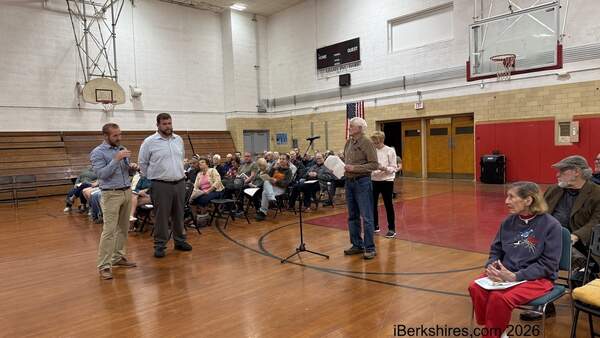
The board continued to emphasize the need for community input, with members expressing disappointment of the little attendance, especially since the meeting had a Zoom participation option.
They reiterated how they hope for more people to come to their meetings so they can get input in how to establish its short-term rental bylaws.
Tags: Planning Board, short-term rentals,