Dalton Sewer Rates More Than Double for Taxpayers
 |
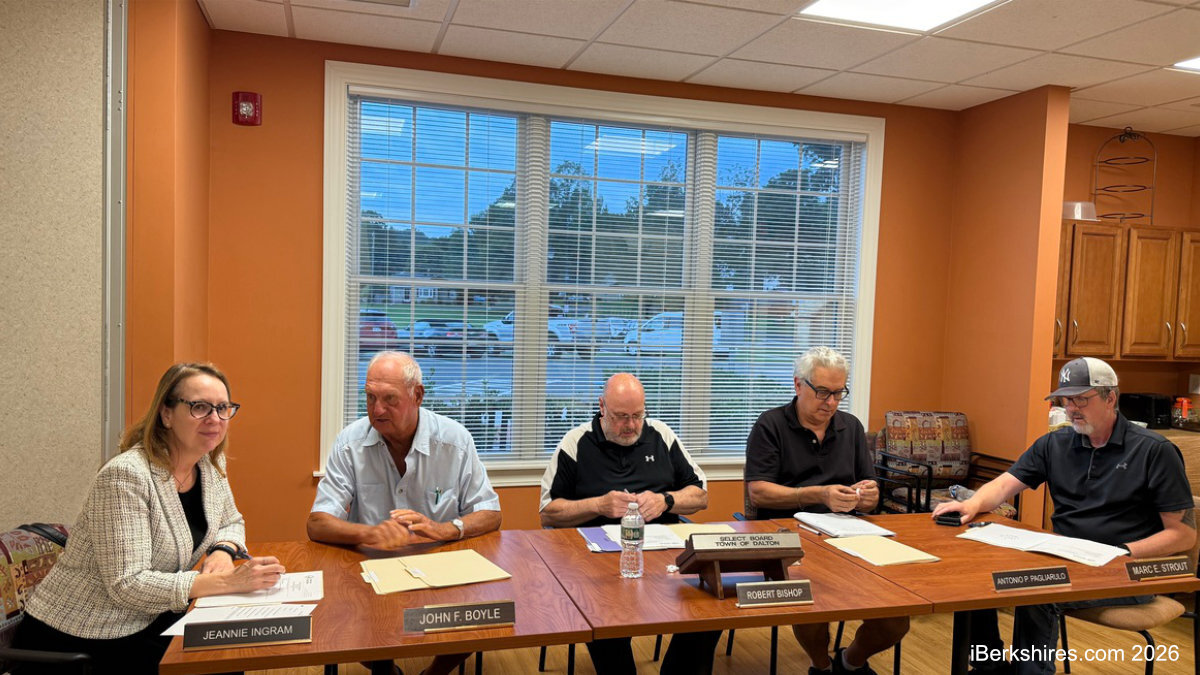
| The meeting attendees gasped at the news that the rates are going to cost $602 twice a year, $1,204 annually per unit. |
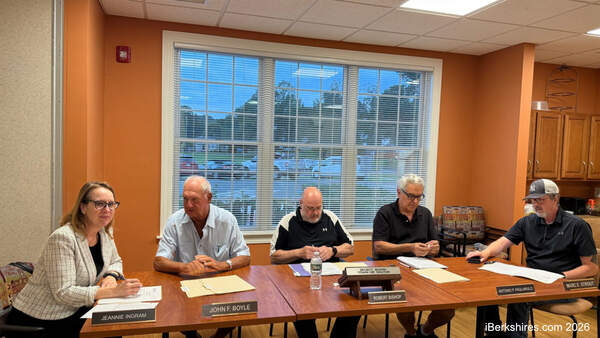
DALTON, Mass. — The Select Board delivered grim news to taxpayers: sewer rates have more than doubled as a result of unfunded state mandates requiring Pittsfield to undertake infrastructure improvements.
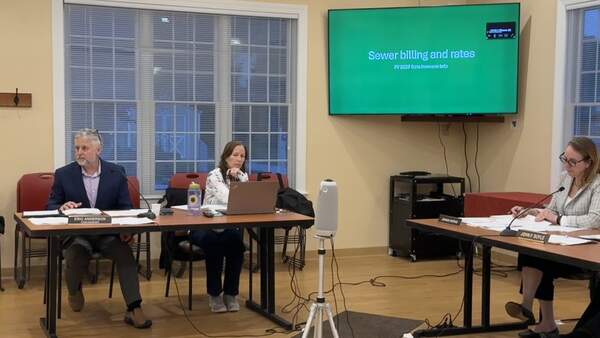
"We have no choice," Select Board chair Robert Bishop told the dozen residents who attended the meeting on Monday.
The attendees gasped at the news that the rates are going to cost $608 twice a year, $1,204 annually per unit.
This is more than double the current rate of $282 twice a year, which is $564.00 annually per unit.
The board despondently set the rate unanimously. Town Manager Eric Anderson was not present during the Monday meeting The meeting was not made available via Zoom, drawing criticism from attendees.
The board was made aware of the cost on Sunday, board member Antonio "Tony" Pagliarulo said.
They had to hold a special Select Board meeting to set the rate to give the collector time to send out the bills by Oct. 1.
"Our town manager is absent. We didn't get this till just yesterday. There's no duplicity here. We're doing the best we can with the time frame we have," Pagliarulo said.
Bishop apologized for the "crazy" increase, emphasizing that it is not the fault of town officials; rather, a result of Pittsfield's upgrades to its drinking and wastewater infrastructure because of state mandates.
"This is all on the city of Pittsfield, and partially to blame o the state when they mandate updates and upgrades. They demand these people to make these changes to their sewage material, their wastewater treatment plants, which are very costly," Bishop said.
"I don't think they understand the full impact that it has on a smaller town. And I wish the state would kick in some money to offset that, but we did that."
Dalton's net sewer bill will be $2,920,573.68, Bishop said.
Meeting attendees floated several ways to blunt the impact of the sewer hike, including issuing a bond to spread the town's multimillion-dollar obligation over time, switching from twice-yearly to quarterly billing to make individual payments smaller, or staggering payments in cases of hardships.
Bonding the cost would not be practical because the town would likely have to issue another bond each year, which officials said is not feasible.
"One other thing about bonding is not everybody is on the sewer, so people with septic fields that would be fair to have them have to pay for that bond," Bishop said.
When asked if the bill will increase next year too, Bishop and Pagliarulo said "probably" in unison. However, the full contract with Pittsfield is still being negotiated.
Board members stressed that this year's sewer bill is non-negotiable. However, while this bill is a "done deal" the town is still in negotiations with Pittsfield around the total contract, he said.
"Tighe & Bond raised a lot of questions, and our legal team, of course, will get their two cents," Pagliarulo said.
All the additional factors in the contract that arise in the future will be debated in public, board Vice Chair John Boyle said.
The town has been working to mitigate costs by reducing the amount of water entering the system through storm drains, as officials see flow increases following major rainstorms, he said.
The town sends sewage to the city's treatment plant and is billed by Pittsfield based on the total tonnage Dalton sends into its system, Anderson previously said.
The town then divides the bill it receives from Pittsfield between all the town residents and businesses at a flat rate.
The town's bill will be 1.5 times higher than Pittsfield's because its smaller population means the cost is spread among fewer ratepayers, while Pittsfield can distribute the expense across a larger population, Bishop said.
In June, Pittsfield set its rate under which the average household pays about $370 per year for one toilet and about $461 for sewer, totaling around $831.
"We're playing catch-up too. Playing catch up is what's really part of this year's bill," Pagliarulo said.
Pittsfield has proposed raising its fees for the town to include a charge to contribute towards the capital costs, Anderson previously said.
"Up to this point, they've borne the capital costs of upgrading the system. Whereas in the past, Dalton has borne its fair share of the capital costs. Whereas up to this point, we really haven't with this project," he said.
In 2018, Pittsfield begrudgingly approved a $74 million upgrade to the wastewater system following an administrative order from the U.S. Environmental Protection Agency to lower the levels of phosphorus and aluminum in the water coming out of the plant. At that time, Dalton's rate had not been adjusted to account for these upgrades.
Now, the city is also seeking $28 million in borrowing, including $13 million for upgrades to the wastewater treatment plant and $15 million for upgrades to the Cleveland and Ashley water treatment plants.
The town had been anticipating that the rate was going to increase substantially, which sparked discussion on whether implementing meters could help mitigate the costs for residents.
"I projected close to double, but we're over double. It'd be a guesstimate, but we knew we're going to get hit," Pagliarulo said.
Tags: sewer rates,