McCann Committee Gets First Look at $17M Renovation Progress
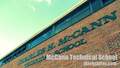
NORTH ADAMS, Mass. — The McCann School Committee got a first look at the final stretch of a $17 million overhaul aimed at making the 64-year-old vocational school safer, quieter and more energy-efficient.
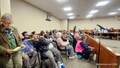
After a brief School Committee meeting Thursday, Superintendent James Brosnan led the members through the school, highlighting some of the changes made in the 64-year-old building.
"Just seeing this gives you a magnitude of the amount of work that goes on," he said.
The upgrades are being funded through the Massachusetts School Building Authority's Accelerated Repair Program and the Northern Berkshire Vocational School District's member towns.
Work was supposed to be completed before the start of the school year, but weather and the removal of materials caused a delay.
The tour was all indoors, and Brosnan told a disappointed committee that he was hesitant to take them onto the roof at night, but said the new roof is near 80 percent down.
"We have another 10, and 10 percent of that missing 20 is in the AVB [air and vapor barrier] and removal phase," Brosnan said. "That particular area is across the front, down the post-secondary ... we are going to pick up from guidance. So we have that plan going through next week. Fingers crossed, within two weeks we will have that piece down."
He said the roof has been built up and insulated for more efficiency.
Brosnan said there will still be plenty to do after the roof is complete, including metal work and flashing. He said they will also have to finish walkways and put up railings. But the main focus now is buttoning up the roof before the snow flies.
"There is a lot that goes after that ... but we have to get that base piece down because then we are good for the season," he said. "So if we get one of those surprisingly early November snowfalls, we want to make sure we are tight."
Right in the conference room, Brosnan said the School Committee should notice less noise and a consistent temperature.
"You will notice there are no drafts; we no longer hear road traffic," he said. "You don't hear the next room, and that is really working well."
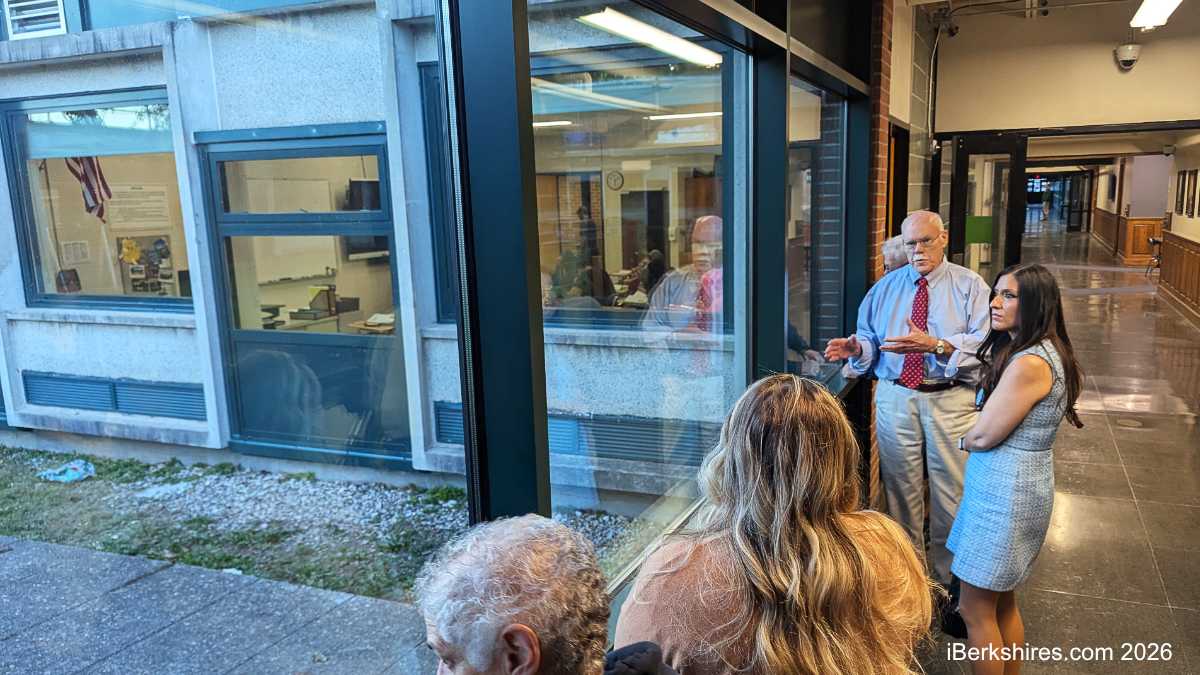
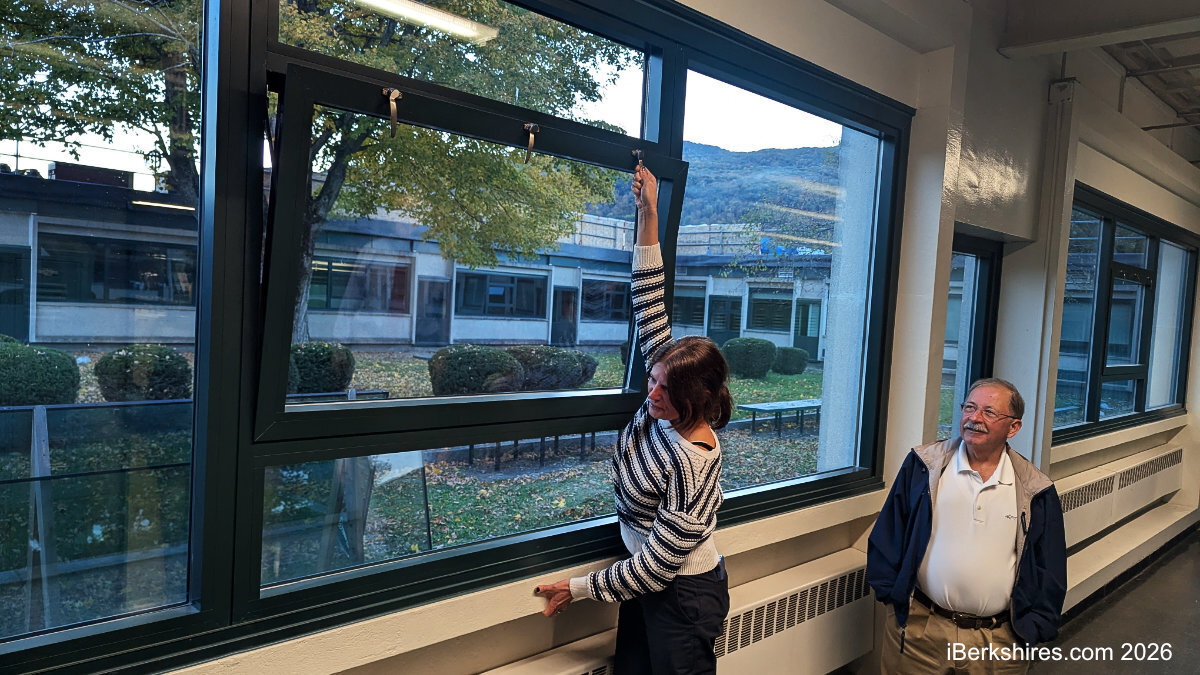
Directly outside of the conference room, Brosnan showed off the new double-pane, thermal windows, noting they were a huge improvement over the single-pane windows that originally wrapped the building.
He pointed out that glass was removed from the top and bottom of the wall and replaced with insulation stuffed thermal panels. He said not only do they hold heat far better, but they are more secure.
"We are building a box out, insulated, put an insulated panel on top of it. It's green and it matches," he said. "... It was glass. When it broke, it was plywood we would paint green."
They are also safer. Brosnan said it has always been a great fear of his that a student would bump into a single-pane window and it would "shoot down like a rocket."
Brosnan said the solid pieces of glass took, at times, six workers to carry and set in place. He said they are all custom-made to fit the building.
In a classroom, Brosnan demonstrated the new blinds that will be placed on windows all the way around the front of the building.
Brosnan noticed in the classroom that the blinds were unevenly splayed in the new windows. He asked Principal Justin Kratz to inform the School Committee of a "class" he held at the beginning of the school year for faculty.
"Everyone had to take a shade class. They are all supposed to be level with the concrete," Kratz laughed. "I am not going to say who was in here eighth period."
With a stern laugh, Brosnan said it would be dealt with in the morning.
On the way to the library, Brosnan pointed out new doors, a newly installed handicap lift in carpentry, and accessible bathrooms, adding workers had to cut through a wall to provide accessible entry. Pointing up to exposed piping and wires, he explained improvements made to the HVAC system that would allow for better ventilation and control.
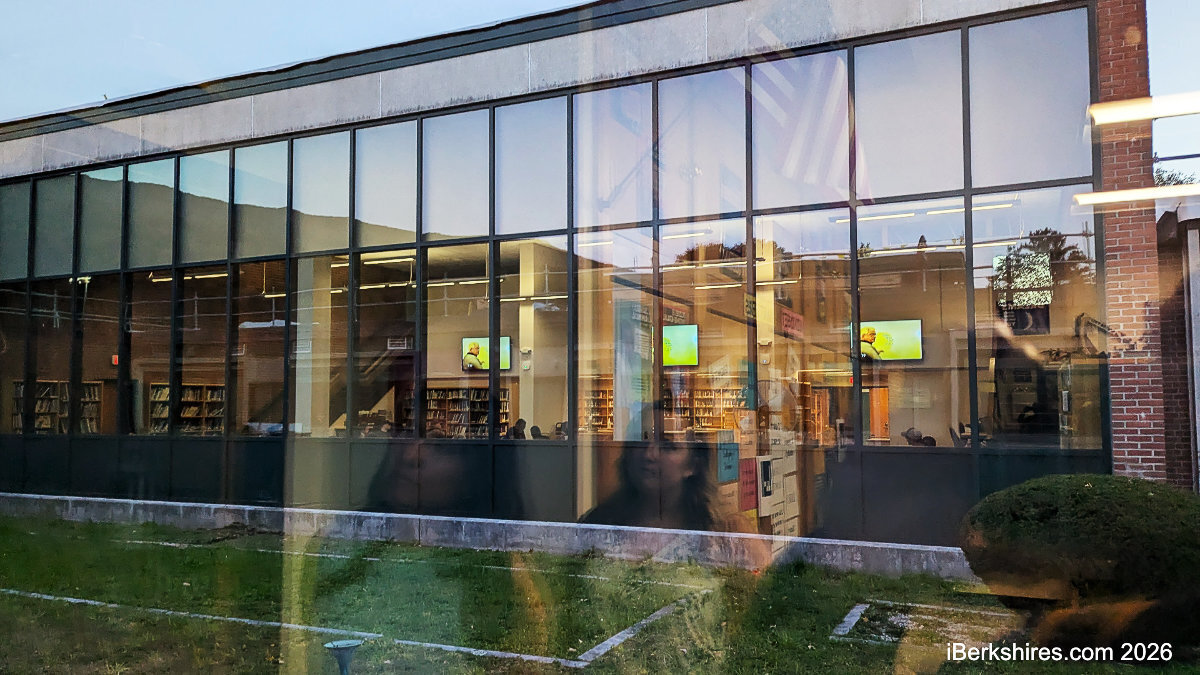
The library was in use by an evening class, so the group stood in a classroom across the way. Peering through the window, Brosnan pointed out new frosted glass above the large panel windows in the library. He said the library has large automated shades.
"It gives you a much better thermal base, and it keeps the glare out," he said. "... You can see that there have been some improvements. That was one heck of a project."
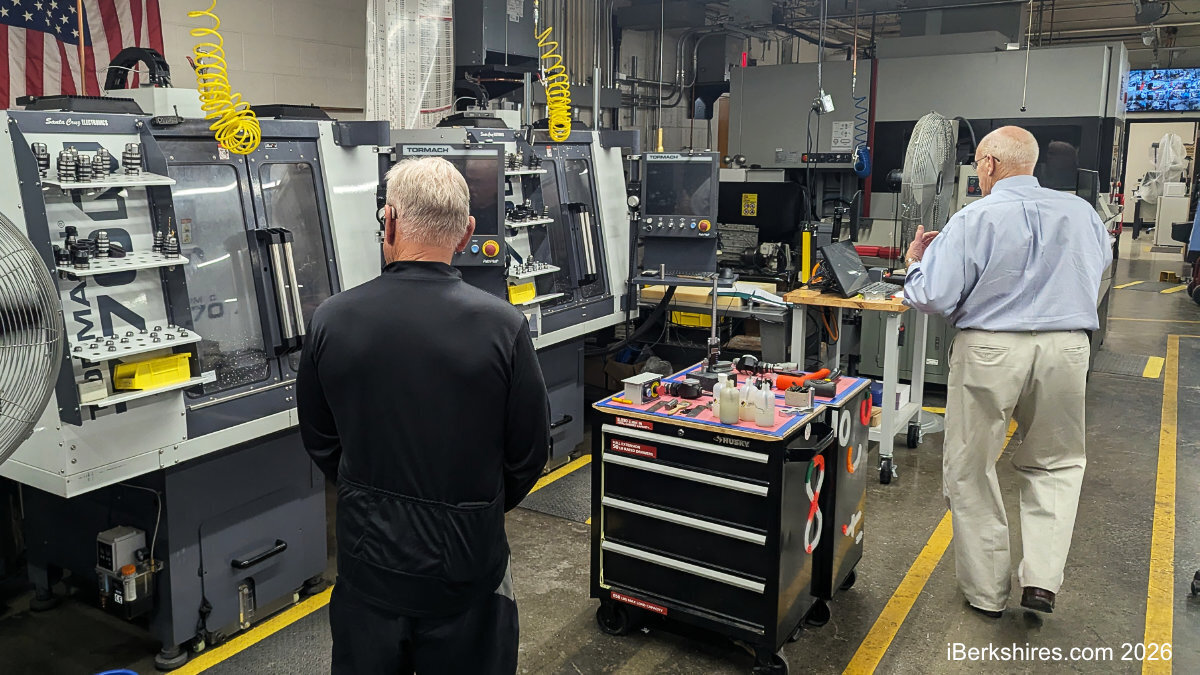
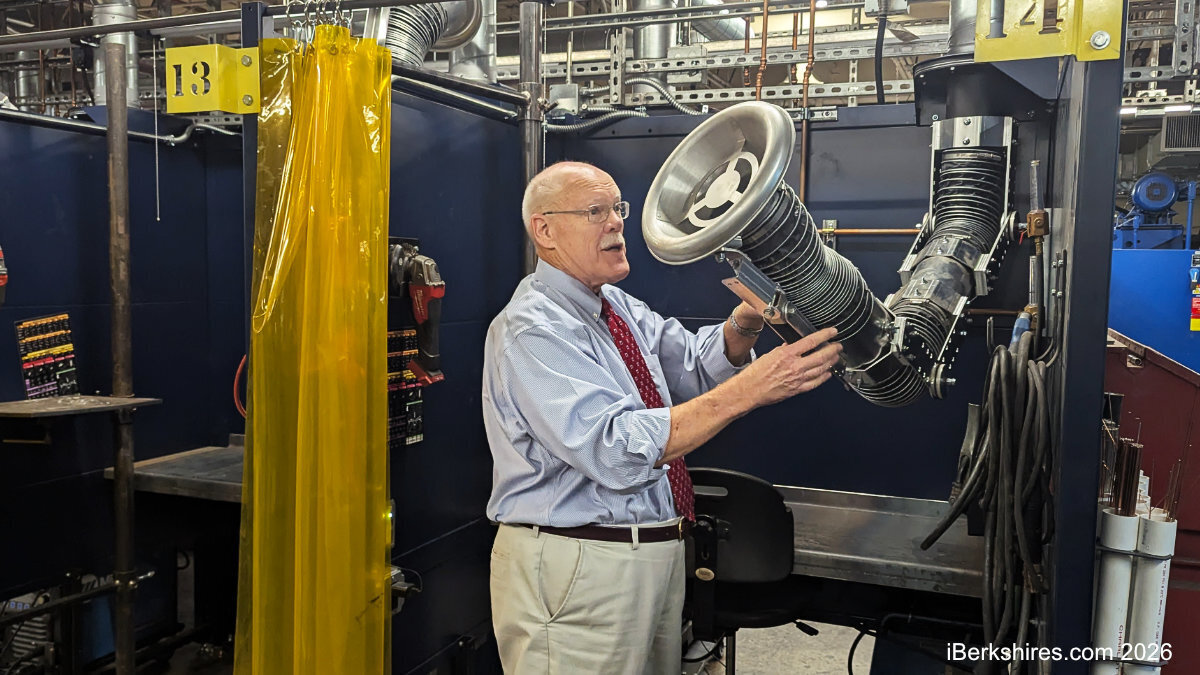
Brosnan took a quick detour to the Advanced Machining Technology and Metal Fabrication Shops. Although they were not directly connected to the MSBA project, he wanted to show the School Committee some of the improvements and new equipment acquisitions in the shops.
He said metal fabrication benefited from some of the ventilation improvements. The new ventilation system allowed for a total reorganization of the shop, which previously had insufficient ventilation.
The crown jewel of the reorganized shop was the new welding booths with flexible vents. The shop no longer has to rely on portable units.
"The arms go directly over the students' work. They are flexible and they move around," he said. "Now we have a permanent, safe location that will be vented out."
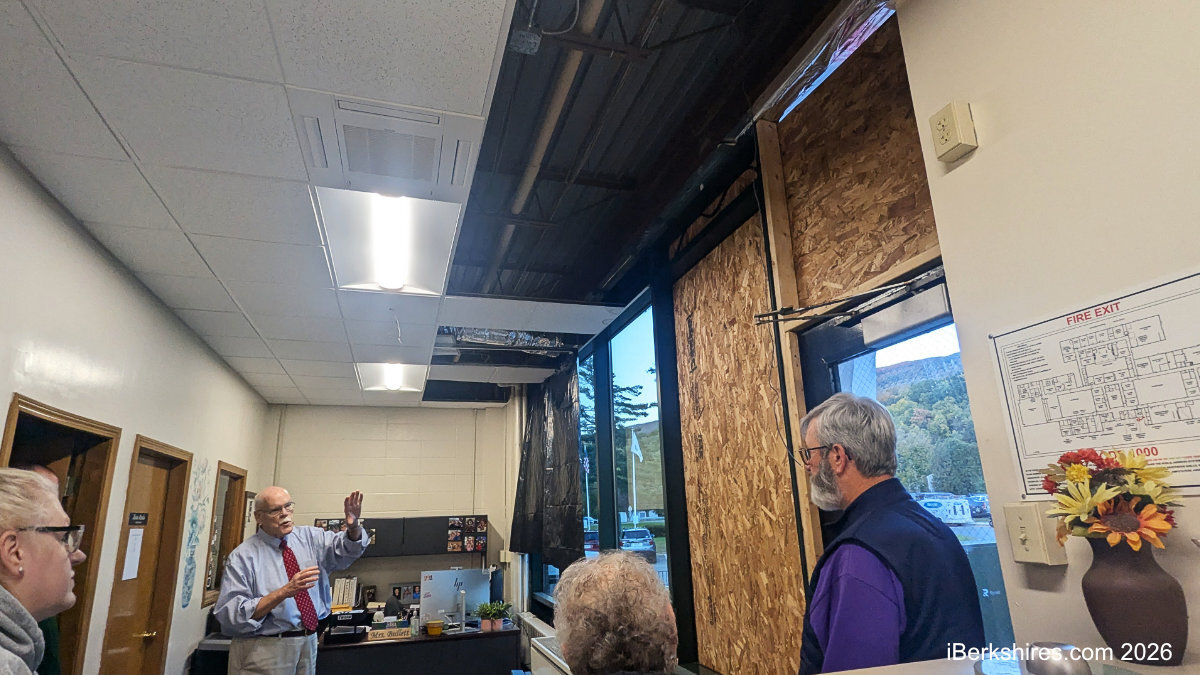
Continuing the walk, Brosnan showed that some windows have yet to be installed and some doors are still incomplete. He said contractors are working off-hours to get the job done.
Even though there have been delays, Brosnan was happy McCann decided to do the project in one phase.
"It is an elaborate job. The GC and the designers put a lot of work into this project," he said. "It was better to do it now instead of breaking it up over two years. That would have been a disaster. Get it done now. And we are in the final stretch."
Kratz added that students and staff have been incredibly flexible. He said students dodged buckets in the hallways and avoided sections of the building when asked. He said staff picked up and moved to another classroom when asked.
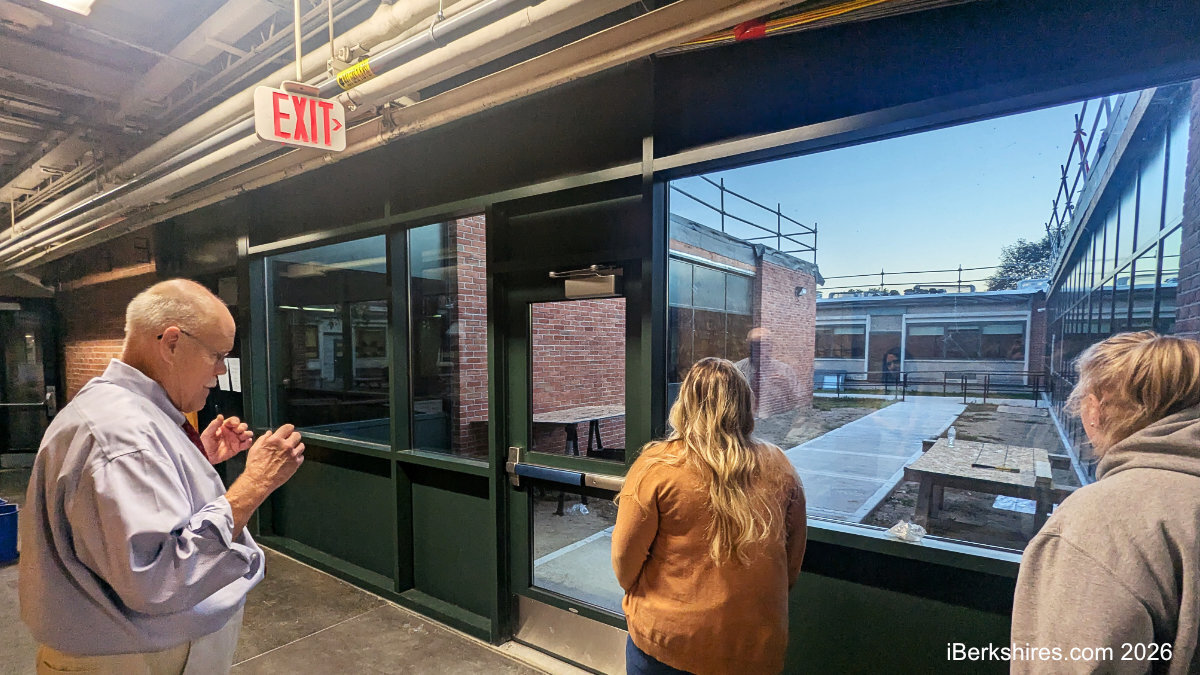
Looking outdoors, he showed new pathways and ramps. He said a lot of the outdoor work was done by students.
"A tremendous amount of work took place last year after the beginning of December," he said. "The kids never complained; they went out there and worked as hard as they could. They just go do it day after day."
The tour ended in the Tea Room. Brosnan pointed out that the space will be put on a split HVAC system — as will many other areas of the school. He said in the past, many windows had AC units hanging out of them.
Brosnan said on Nov. 4 the school will hold an open house and invite district town leaders.
"We just want to say: we invite you, we appreciate your support, and we want you to see what we have done," he said. "We want you to see it in action."
Tags: McCann, MSBA,