Tourism Is an Investment in Our Future
 |
In 2006, a group of industry, government and not-for-profit organizations came together to create a comprehensive road map for future economic development efforts in Berkshire County, which has become the Berkshire Blueprint.
The overall goal of the Blueprint is to increase the prosperity of the region, raising the per capita income and income growth level of Berkshire residents. The initiative also takes steps to preserve and maintain our quality of life, and market the Berkshire lifestyle to attract visitors, as well as new firms and entrepreneurs.
The Blueprint addressed key industry clusters in the Berkshire economy in order to encourage them to develop local, regional, national and global markets. These clusters creative, plastics and hospitality/tourism — were selected according to several criteria including the substantial impact they have on the regional economy.
Let's assess the hospitality and tourism sector, given it's National Tourism Week. Tourism is a cornerstone of our economic strength in the Berkshires. In fact, according to information from the U.S. Travel Association, long-term trends indicate travel spending and tax receipts, as well as travel-related jobs and wages in Massachusetts all increased steadily over the past five years.
Because of that growth tourism has been a hedge against more cyclical industries.
The Blueprint incorporated specific initiatives to help improve the business environment within the hospitality and tourism sector. Working closely with established organizations such as the Berkshire Visitors Bureau, today’s steering committee focuses on enhancing and expanding collaborations with this industry, ensuring the availability of a competent workforce, and upgrading communications and transportation infrastructure to meet the needs of travelers.
The efforts of the Berkshire Visitors Bureau have been successful in conveying the message of the Berkshires as a preferred destination. Working with the Berkshire Economic Development Corporation through the collaborations suggested in the Blueprint, the tourism industry's role in the business climate of the region has not only been recognized, but has increased the interest in the positive effects it has on the entire region's success.
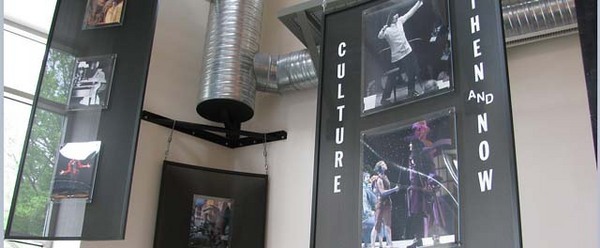
The tourism cluster centers on the area's natural amenities, cultural and recreational attractions and the quality of the hospitality institutions. The cluster also plays a significant role as a prominent aspect of the region's overall identity. Natural, recreational, cultural and lifestyle amenities are vital in attracting skilled workers and supporting leading-edge firms to the region. Workers today are able to weigh economic and social opportunities in making decisions about where to live and work.
Tourism means business — it supports existing companies & stimulates new business development.
Ninety-seven percent of businesses in travel and tourism are small and predominantly entrepreneurial operations — the backbone of our economy. Tourism business, by its very nature, is a demand-generator for other businesses.
Tourism supports jobs — the latest research shows 11,000 Berkshire residents employed, directly and indirectly, in tourism-related businesses and thousands more are dependent on these businesses' success. Jobs and careers in tourism include everything from accountancy to architecture, engineering to entertainment, Web design, marketing and public relations among many others. Whether lifelong careers or summer jobs, this employment yields big benefits for our communities.
Tourists spend money and pay taxes which fuel local businesses and local government budgets. Tourists generally bring their dollars from outside the region and therefore represent a source of new dollars moving through our economy. Tourists do not require the same level of community services and therefore tourism pays for itself ... and then some.
To build on our success in the coming years, the Berkshires must continue its collaborative approach to economic growth and development. The Berkshires has a strong reputation in the tourism and hospitality industry, due to the efforts of the Berkshire Visitors Bureau. Promoting a positive destination image translates into increased business attraction, retail activity, resident attraction and retention and support for property values.
Through the work of the Blueprint, there is a new concentration on a multi-faceted economy and recognition that many sectors must succeed for the region to prosper. Tourism is an important economic development tool in the Berkshires and certainly vital to its prosperity.
David Bruce is president of Lee Bank and chairman of the Berkshire Blueprint Steering Committee.