Countywide Board of Health Moving Along
 The coalition will soon be addressing local governments asking for representatives to serve on the countywide health coalition. |
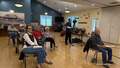
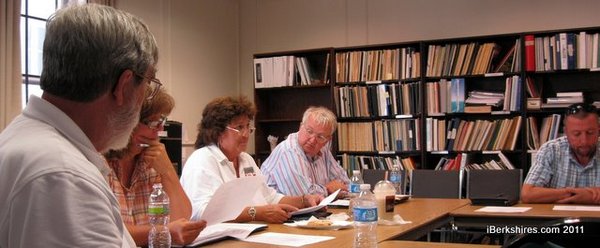
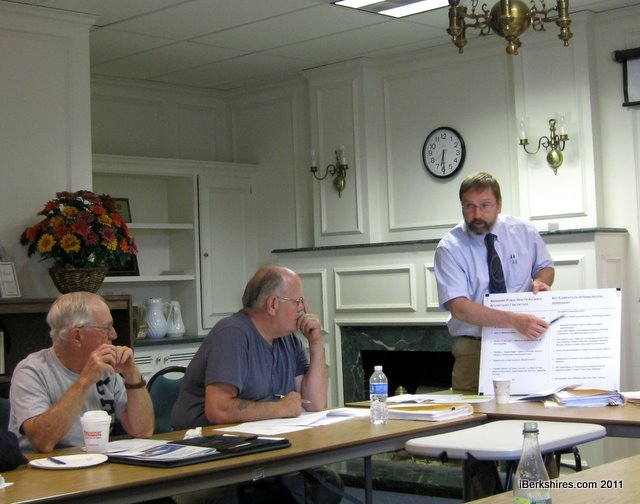
The new Berkshire Public Health Alliance on Thursday held its fifth meeting to continue to flesh out how the overarching body would provide shared services.
So far, the coalition has released inter-municipal agreements, which have been reviewed by attorneys from most of the towns. Once reviewed, the local boards of health and the municipalities' governing bodies will be asked to approve the agreement by September and the coalition's board will be formed, according to Sandra Martin, senior emergency planner with the Berkshire County Boards of Health Association.
"If they're hesitant, now is the time to talk about it," Martin told representatives from the various towns interested in joining the coalition. "It commits them to the process."
The agreement calls for two representatives from each town — one voting member appointed from the town's board of health and a non-voting member appointed by the town — to sit on the coalition board. However, the agreement does not lock the towns into purchasing services from the group, she said.
"There will be no fee that the town doesn't agree with," Martin said. "We purposely set it up so they have the option."
The towns involved will be offered service packages to purchase, which the alliance is still sorting through. Thursday, the group discussed a "block time" service. This package is one of a few that is being discussed in which the towns would sign up for a certain number of hours with an agent.
The board is leaning toward having municipalities that sign up for that option pre-pay each month for a set number of hours with a primary agent. That agent would be responsible for doing health enforcement tasks, such as inspections, or sending a specialist. The town would schedule the hours with the agent depending on needs, and unused monthly hours would roll over into the next.
The alliance will also offer options including a "block inspection" program and a "single inspection" program. Martin said she expects all three options to be available in some way, but exactly how is being worked out.
Additionally, the coalition is hoping to share public nursing programs — such as vaccinations and disease follow-ups. But the group members did not feel they had enough expertise to tackle that aspect of the countywide programming themselves so they decided to hire a consultant to analyze it. Martin said she had talked with some local visiting nurse associations that were supportive of the proposal.
The coalition received a boost from the state in June with a $29,000 planning grant. The group has been meeting every other week since mid-April and hopes to have a full governing board by September to apply for an implementation grant.
"We're still trying to stick to that strict timeline," Berkshire Regional Planning Commission Assistant Director Tom Matuszko said. "We want to have our governing council meet before that grant is approved."
About 21 towns – mostly the county's smallest – signed onto the planning grant application. The towns hope to save money by splitting the cost of inspectors while strengthening their ability to reel in grant money, Martin said.