Businesses Sought For Historic Tullar's Tavern In Egremont
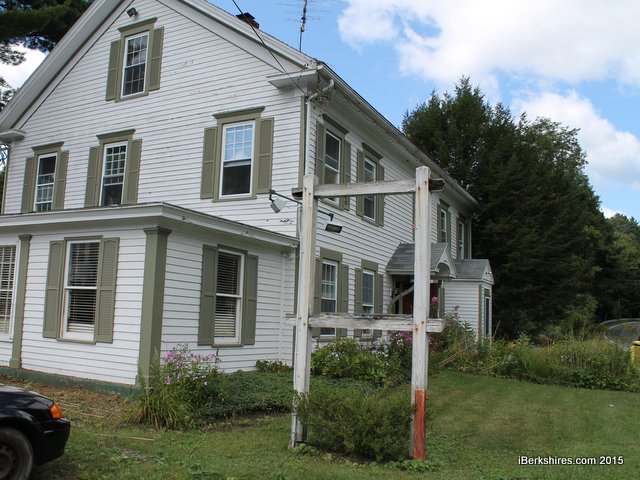 Barnum bought the former Elm Court Inn last month after a foreclosure. Barnum bought the former Elm Court Inn last month after a foreclosure. |
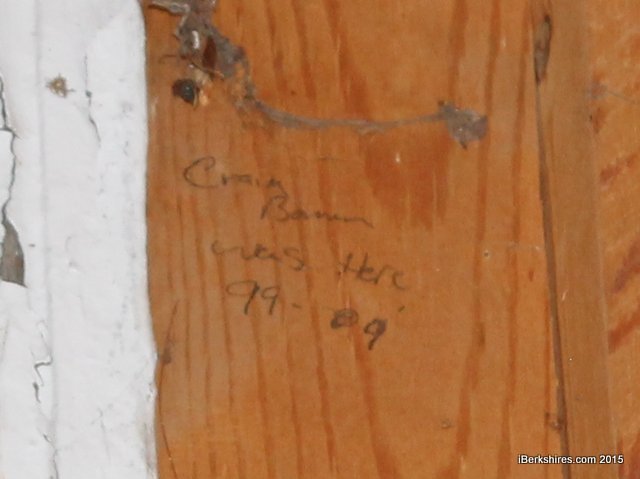
He walked down to Elm Court Inn on Egremont Plain Road and applied. Over the next decade, he grew close with the owner, put himself through college, and worked in nearly all capacities in the restaurant and hospitality business.
"I've done everything here from washing dished to putting out chimney fires," Barnum said.
"This was my first job from 14 until part way through college."
In 2009, owner Urs Bieri closed the tavern and turned the building into his home. It was foreclosed earlier this year and put it up for auction.
Barnum, now a real estate agent, already owns a building abutting the property. But he refused to go to the auction. He said he was afraid he would get an "itchy trigger" because of his sentimental feelings toward the building.
"I didn't want to get involved with it because of time and I didn't know how much money it would take," Barnum said.
Last month, he saw the front door was open. The auction had already taken place and Barnum wanted to meet the new owners. He found a real estate agent instead telling him the auction sale had fallen through. He then made a cash offer to Berkshire Bank.
For $80,000, he now owns it.
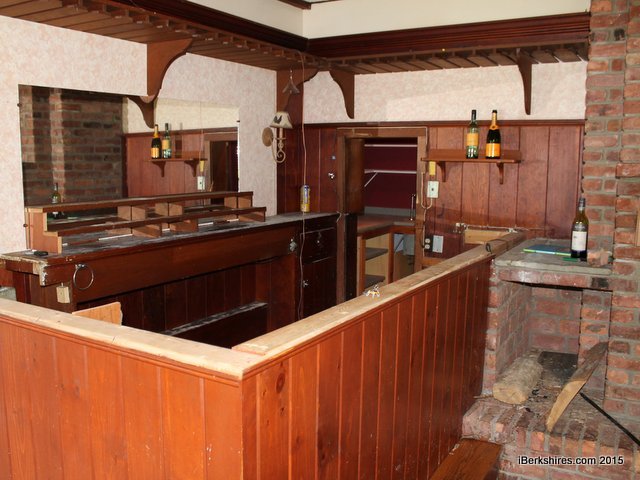
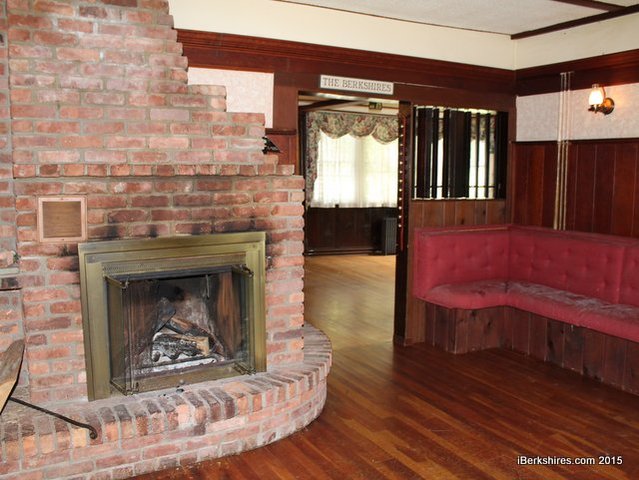
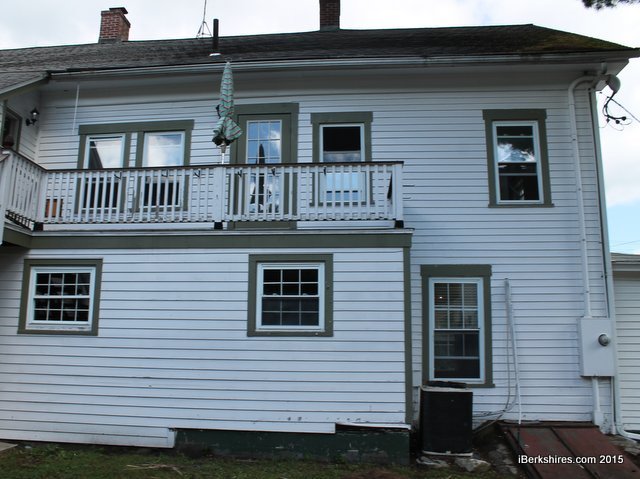
Barnum is now looking for somebody to run a business out of the first floor. He's currently renovating the interior of both an upstairs studio apartment and a large two bedroom, two bathroom, living room, dining room, and kitchen space into luxury vacation rentals.
"I am calling on an entrepreneur to do something creative with the ground floor," Barnum said, saying he'll be flexible to help create a low-risk business venture.
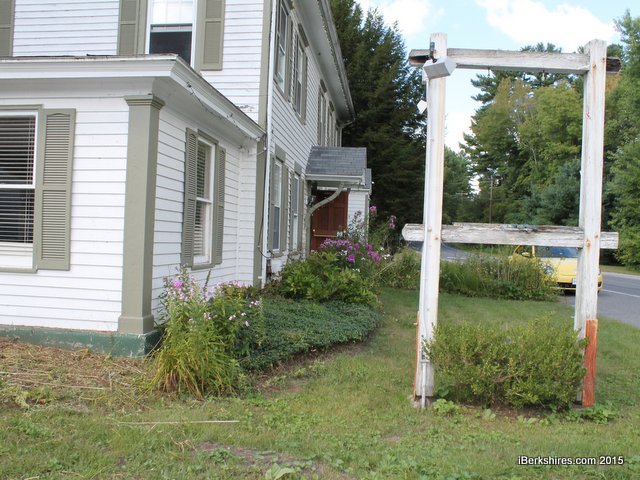
The building has historically been used for rental housing and a tavern, as early as 1790. John Tullar III built the tavern and it became the center of the village. In 1824, it became a post office and tavern with the name being changed to the Elm Court Inn and a cider mill and livery stables were added in 1885..
The Ayre family bought it in 1945 and let it continue as a tavern and bed and breakfast. Beiri bought it and changed it to the Elm Court Restaurant.
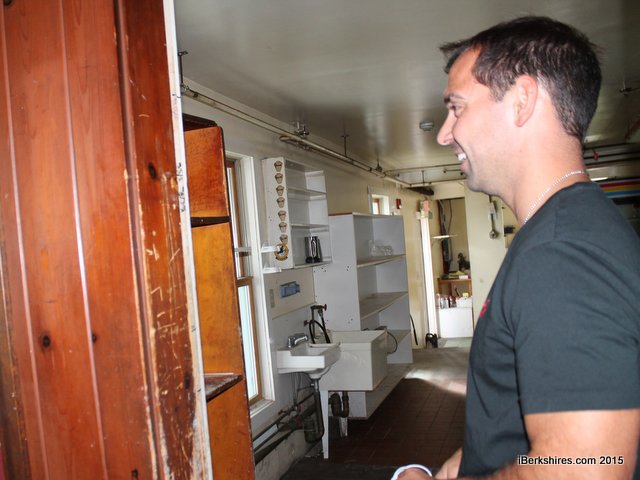 Barnum looks at a doorway where marks recorded his height when he first started working there and then when he left. Barnum looks at a doorway where marks recorded his height when he first started working there and then when he left. |
Barnum says the "bones of the building" are still good and the work he's doing is mostly cosmetic. He hopes to have the studio finished in the next two weeks and the larger rental unit by the end of October. He'll be renting those out as soon as they are ready.
The rental units will provide the income to sustain the building. He's now looking for somebody to do something with the first floor. If he can't find someone, he'll consider turning the ground floor into apartment rentals.
"I really want to see someone make good use of this property," Barnum said. "I want an entrepreneur to come out of the woodwork to make use of the first floor."
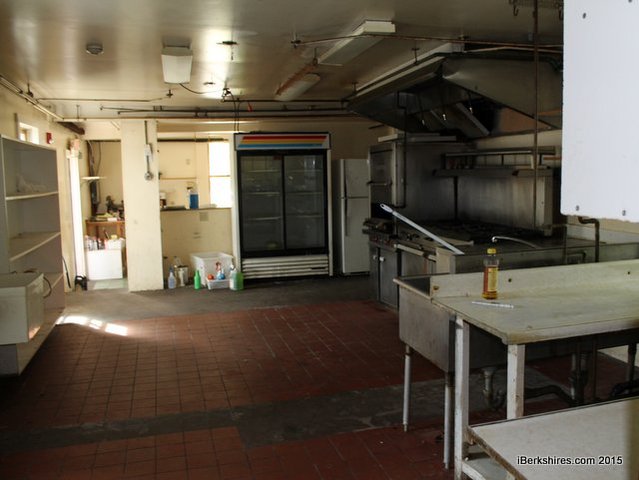
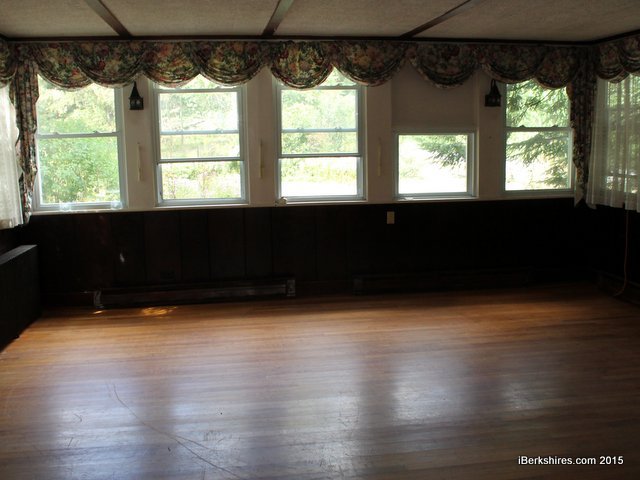
The restaurant is some 2,500 square-feet and has a seating capacity of 160.
Barnum says the new business doesn't have to operate the same way. There can be shared space with other business or a smaller restaurant — basically anything that will make use of the building.
Tags: entrepreneurs, historic buildings, restaurants,