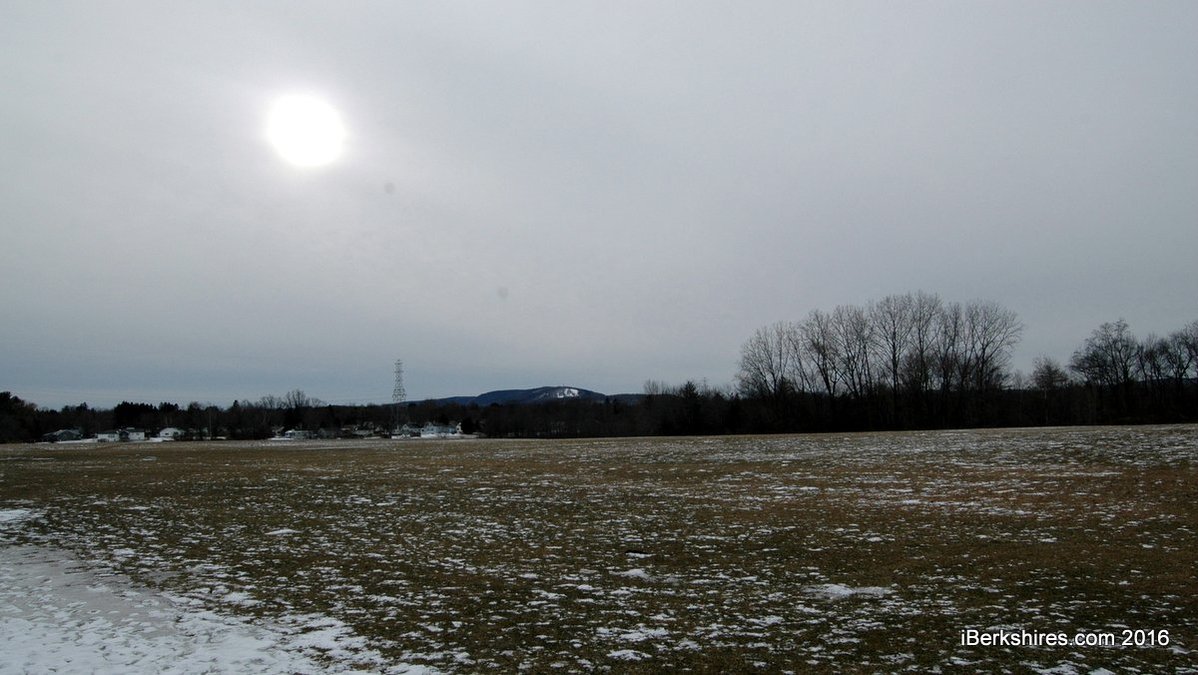
Pittsfield Seeks Input on Public Conservation Properties
PITTSFIELD, Mass. — Four city conservation areas will be closely examined as part of a new three-month planning study looking at the nature of these properties and how they're utilized and impacted by residents.
This research, conducted by students of the Conway School of Landscape Design, is separate to an upcoming update to the city's overall Open Space & Recreation Plan but will supplement that process, according to Parks, Open Spaces & Natural Resources Manager James McGrath.
"We have multiple planning projects going on," McGrath told iBerkshires, "As we acknowledge these four properties [in the Open Spaces plan], this product will be an appendix of that plan."
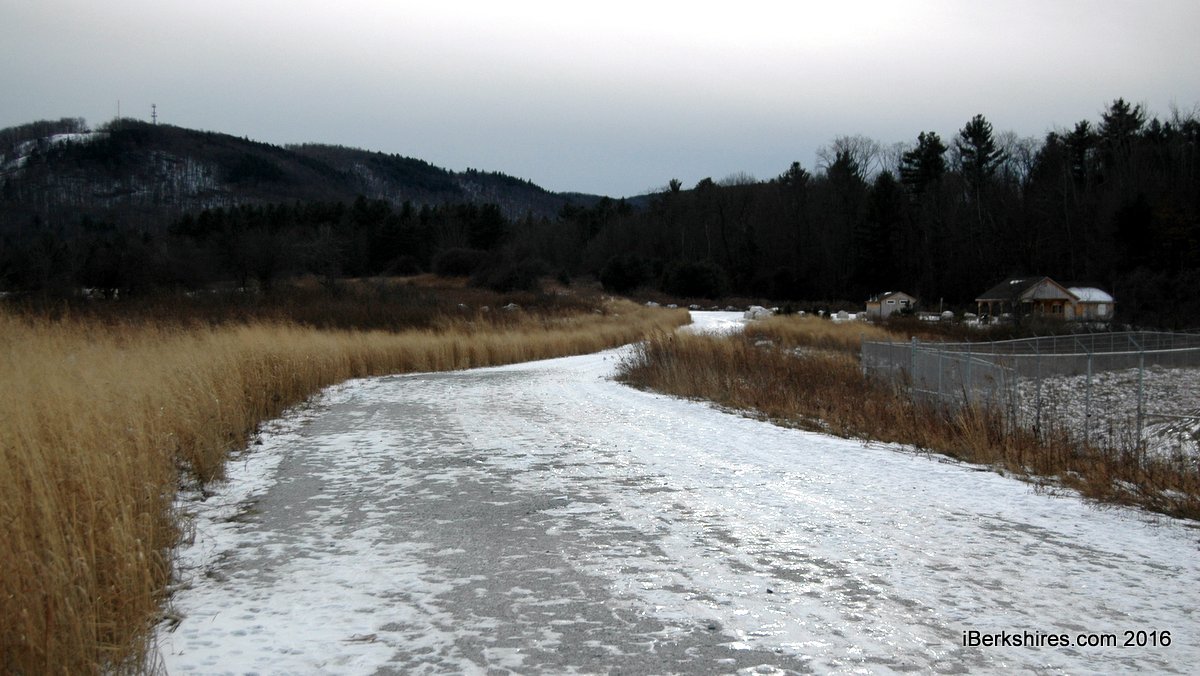
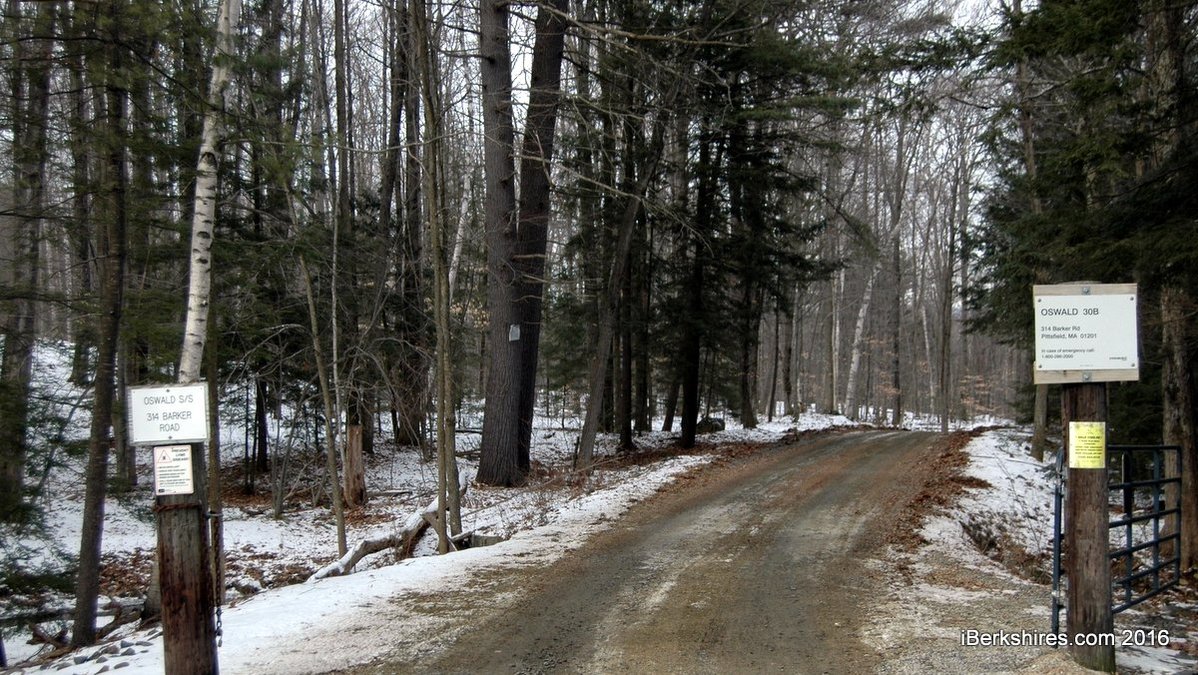
Conway students Miranda Feldmann and Corrin Meise-Munn will conduct the 12-week assessment of the four properties being scrutinized: Wild Acres, BrattleBrook Park, Tierney Conservation Area and Barkerville Conservation Area.
"There's a lot of differences in them, I think," Feldmann told iBerkshires, "It's really amazing the wealth of resources and opportunities at each of the four parcels."
Meise-Munn said the contrast between Wild Acres and Barkerville was especially striking, given their close proximity to each other in the same area of west Pittsfield.
"They're right across the road from one another, but you can tell as you walk in that you're entering into a different kind of ecosystem and natural landscape."
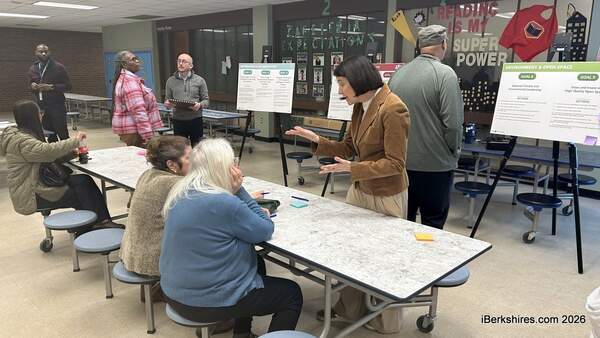
As part of the analysis, they will be conducting two public input forums, the first on Thursday, Feb. 4, at 7 p.m.in the City Council chambers at City Hall, and "all who have an interest in the future of these conservation areas" are encouraged to attend. A short online survey has also been developed to gather input, especially from people who live near or frequent these natural recreation areas.
"I'm really excited about the public participation part of the process," said Feldmann. "I think we're going to get some really amazing feedback out of these meetings.
"We're really looking for input from the Conservation Commission and the general public for input on how you all use the parcels, and what the identities of the four individual parcels are," said Meise-Munn.
Another meeting will be held in March, date to-be-announced, in which they will present a preliminary presentation of their findings, field questions and solicit more input from interested residents, for a final study to be released sometime in April.
This is the second of three major required projects for these Conway graduate students, who previously worked on a residential-area project in another community.
McGrath said part of the learning process of the Conway School was working with municipalities and private sector clients to match students with projects that provided "real world" working experiences that provided the needed educational goals as well as met the client's needs.
Feldmann, who hails from Brooklyn, N.Y., said the project was particularly interesting "because of the unique setting that Pittsfield offers, in this very urban center with its rural surroundings."
The resulting document will be a compilation of broad data and findings to inform the city's use and management of these spaces rather than specific planning directives.
"We're not going to be laying down where trails go, or how many parking spaces to put in," Feldmann said.
One of the primary considerations of the study will be examining the balance between human usage and the natural ecologies of these four areas.
"A huge part of the Conway School is promoting sustainable landscapes, not just for humans but for the whole ecology," Feldmann explained.
"Looking at GIS maps of these areas, every single one of these parcels is critical natural landscape and critical habitat," Meise-Munn told iBerkshires, " 'How do you encourage human use in parcels that are also home to endangered, rare, and threatened species' is one thing we'll be looking closely at."
Tags: conservation & recreation, conservation commission, municipal planning, open space,