Berkshire Medical Center Joins COVID-19 Plasma Study
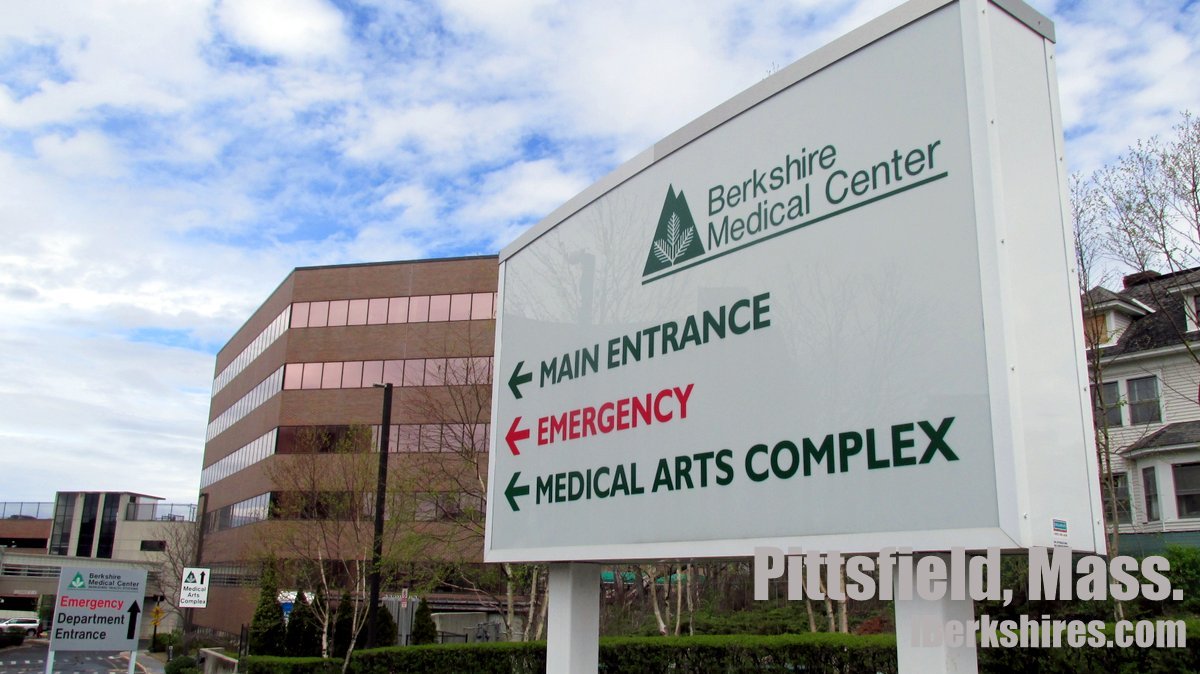
PITTSFIELD, Mass. — Berkshire Medical Center is turning to recovered COVID-19 patients for blood donations that may be able to help those suffering from the disease now.
BMC is using convalescent plasma as a treatment as part of a study being done by the Mayo Clinic.
"The idea is that you're kind of using somebody else's weaponry," said Dr. Jessica Diane Krochmal, chairman of Department of Pathology and Laboratory Medicine. "We've done this before with other things ... we did it with Ebola, we did it with H1N1 in 2007. So it's not a new idea, but it is an idea that we try to use when we don't have a specific drug target or something that we can use."
Right now there is no definitive treatment for the novel coronavirus that had killed more than 165,000 worldwide and more than 40,000 Americans. Convalescent plasma treatment is one of several avenues being pursued.
The body creates anti-bodies to attack something it registers as foreign that either kill it or stop it. These antibodies can basically be harvested by separating the plasma from the red blood cells and then using the plasma as a treatment.
"They tried this in other countries, and they've had a short series of cases that they've published saying we're able to get people off the vents using this," Krochmal said. "And so now the Mayo Clinic has a large investigational study going on. ... What we were able to do is sign up under them for the transfusion part."
Unlike certain diseases like chickenpox, where you get it once and then become immune, coronaviruses don't work like that. But antibodies could slow or stop the virus to allow patients to recover.
"So the garden variety coronavirus is what we see all the time. Typically you get sick, you get a respiratory infection, for four to six weeks, you have very strong antibodies, and then they fade over time and next year, you might be able to get it again," Krochmal said. "For this one, we don't really know exactly how this is going to play out."
It's not clear how a lower immune response could affect the treatment or if antibodies will be stronger in people who showed no symptoms or in those who had to work harder to beat the bug. Doctors and researchers are sharing a lot of information on potential treatments but finding answers make take years — or just next month.
"Right now, what we are just hoping that this could help because we don't have a lot of other tools in our arsenal to help us," Krochmal said.
Blood donations to Berkshire Medical Center will go directly upstairs to patients, she said. The Blood Donor Program at Berkshire Health Systems collects about 3,000 whole blood donations a year of which 90 percent are used locally.
In this case, donors for COVID-19 treatments must have tested positive but be symptom free for a minimum of 28 days and then each unit has to be tested for infectious disease, which can take a couple days.
The first donation was taken on Wednesday and the first plasma treatment was ready on Saturday.
"We have COVID-19 plasma donors scheduled pretty much every day next week. So we'll have more on hand next week for the people who are upstairs that desperately need it," Krochmal said on Friday.
Anyone who tested positive for COVID-19 and has been symptom free for at least 28 days can call 413-447-2597 and select Option 2 to make an appointment at one of two locations. Donations take about 35-40 minutes.
"We have so many wonderful people in Berkshire County, who donate blood regularly for us. We're able to be pretty self-sufficient," Krochmal said. "And the amazing thing is if I put out a call saying, 'Hey, we need O-negative donors,' people just flood and they come in, and it's such an amazing gift.
"When we put out the call for, 'Hey, have you healed from COVID-19? Would you like to come give plasma?' The phone hasn't stopped ringing. And it's really an amazing thing to be a part of, especially being in such a small community area."
Tags: BMC, COVID-19,
More Coronavirus Updates