Williamstown, Fire District Set Tax Rates for Fiscal 2021
WILLIAMSTOWN, Mass. — The average property owner in Williamstown will see her taxes rise by about $87 in fiscal 2021.
The Select Board on Monday voted to maintain a single tax rate that for this fiscal year will be $17.30 per $1,000 valuation, down 30 cents from last year and 75 cents over the prior two years.
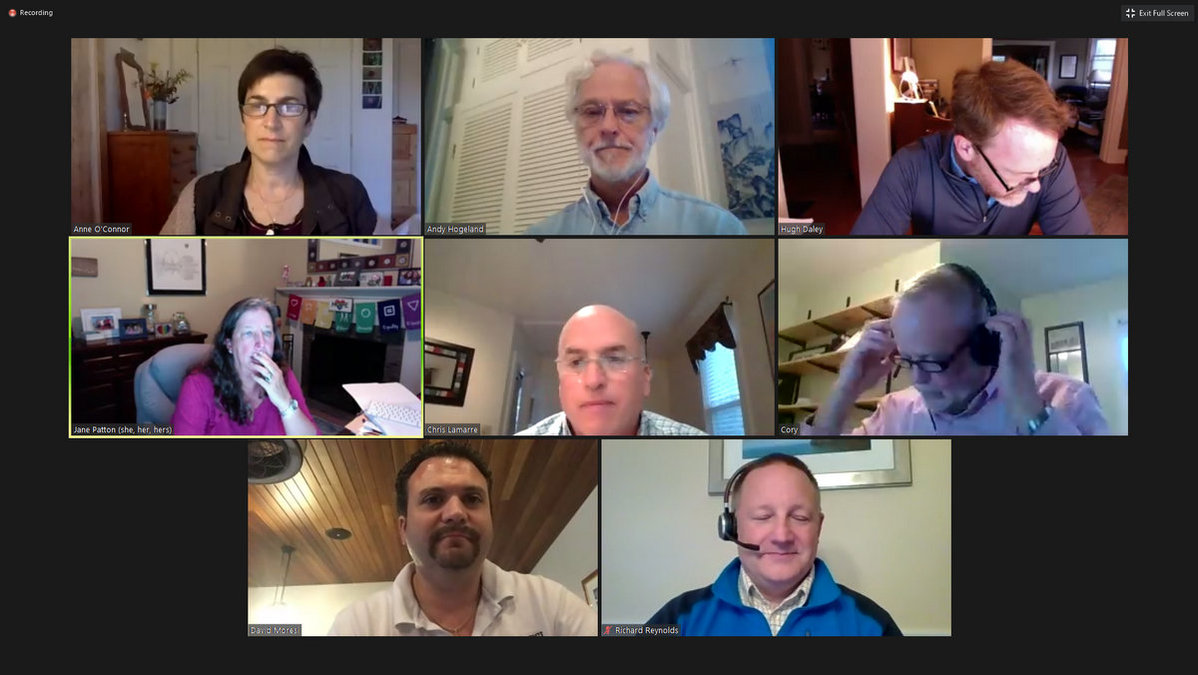
"I will say that typically when values go up, the tax rate goes down as long as the levy is kept to some sort of reasonable increase," said Town Assessor Christopher Lamarre. "And, obviously, this year the increase is very nominal."
The full tax levy will be $17,988, 059 to fund the spending plan passed earlier by voters. This is a nominal increase over the prior year tax levy of $31,206, or 0.2 percent.
"It's been determined that the median [single-family home] value is $305, 400, and that the median single family tax bill for fiscal '21 will be $5,283, an increase of $87 over the prior year, which I think there's a very reasonable increase for the taxpayers," Lamarre said. "The median commercial value was $350,900. Their median bill was $6,071, a $257 increase."
Lamarre said the town has increased in value to by $19.49 million to $1,039,356,031, fueled by new construction, personal property, renovations and changes in how utility assets are taxed.
"This is predominantly the result of a consistent flow of residential construction, the completion of two major commercial projects in town, both hotels, and also a change in the valuation methodology for utility company assets," Lamarre explained. "The net change was brought about by a long lawsuit between major municipalities in Massachusetts against some of the big utility players. The courts found eventually in favor of the municipalities and the methodology that they use to value utility company assets."
The hotels — the new Williams Inn and the Fairfield Inn & Suites — accounted for more than half of the bump in growth, plus there were a couple "high-dollar valued single homes that were completed."
"We saw a very nice increase in our new growth of $24,164,897, and that translates to new tax dollars for the community of $425,302," Lamarre said. "Our three-year average growth has been $12.1 million. So you can see that the $24 million that we realized this year was a nice bump. I would caution you not to expect this much next year. Probably be staying right within that average going forward."
The town also has an have excess levy capacity $2,695,238, an increase of about $789,000. The excess capacity is the difference between the maximum allowable levy and the actual tax levy. That figure gives Williamstown a cushion that many communities are lacking, as there growth has slowed and their taxing capacity has decreased.
"Excess capacity could also be viewed as the amount of monies that the town could tax, but refuses, or chooses not to," Lamarre said. "Excess capacity over the past five years has increased by $1.6 million. So the town is doing a fairly good job of not hitting the taxpayers really hard, and being cognizant of their pocketbooks."
Trish Gorman of White Oaks Road, the only resident to call in during the public hearing, was not as sanguine about the town's fiscal situation. The 32-year-resident said she's seen her utility and water bills double and found its getting harder for people in her situation to maintain their homes.
"I just wanted to make a pitch to keep us in mind, because I know diversity and valuing lower-income white-collar, blue-collar whatever professionals, is always a goal of this board," she said. "And so I just wanted to raise my hand and say, 'Hi, I'm here and I hope that you think of me.'"
Gorman questioned the capacity of Williams College to provide more financial resources to the town as a major landowner on high-value property.
Lamarre acknowledged that the college, as an educational institution, is exempt from paying taxes but added, "Williams College holds a tremendous amount of taxable real estate in town, and they are in fact, the No. 1 taxpayer in the community. So, they do in fact pay a substantial amount of real estate taxes on an annual basis."
Gorman was not convinced it was paying its fair share and referenced a town meeting vote that failed at least 20 years ago to fund a $1,000 study of the goods and services impact between the town and gown.
"We all will never know unfortunately what the real exchange is between Williams College and the town, and I'm sure it's generous but yeah, unfortunately they won't let us know," she said, adding, "I just want to make a pitch for those of us that struggle to maintain our home."
The Select Board voted to move forward with no exemptions and a single rate. The meeting was a joint tax classification hearing with the Williamstown Prudential Committee, which set its tax rate for the Fire District. Lamarre said the values for the district were the same since it encompassed the same properties.
The Fire District's tax levy is $540,465, which is a decrease of $20,462, or 3.65 percent, over last year. The tax rate was set at 52 cents per $1,000 valuation, down 2 cents from last year. That means the median single-family home will see a bill of $159, $3 less than last year, and commercial will see a bill of $182, which is flat.
Tags: property taxes, tax classification,