Pittsfield Mayor, City Council Urged to Adopt 'Housing First' Model

The Rev. Ralph Howe of First United Methodist made three suggestions regarding homelessness to the Human Rights Commission.
The Rev. Ralph Howe of First United Methodist Church outlined three suggestions to commission on Monday on how to best address the homeless epidemic and purposed a move toward Pittsfield adopting a housing first model.
"Housing is a fundamental human right, if you have been housing insecure or have dealt with people who are homeless you will realize that when a person lacks housing they are driven to survival modalities," he said.
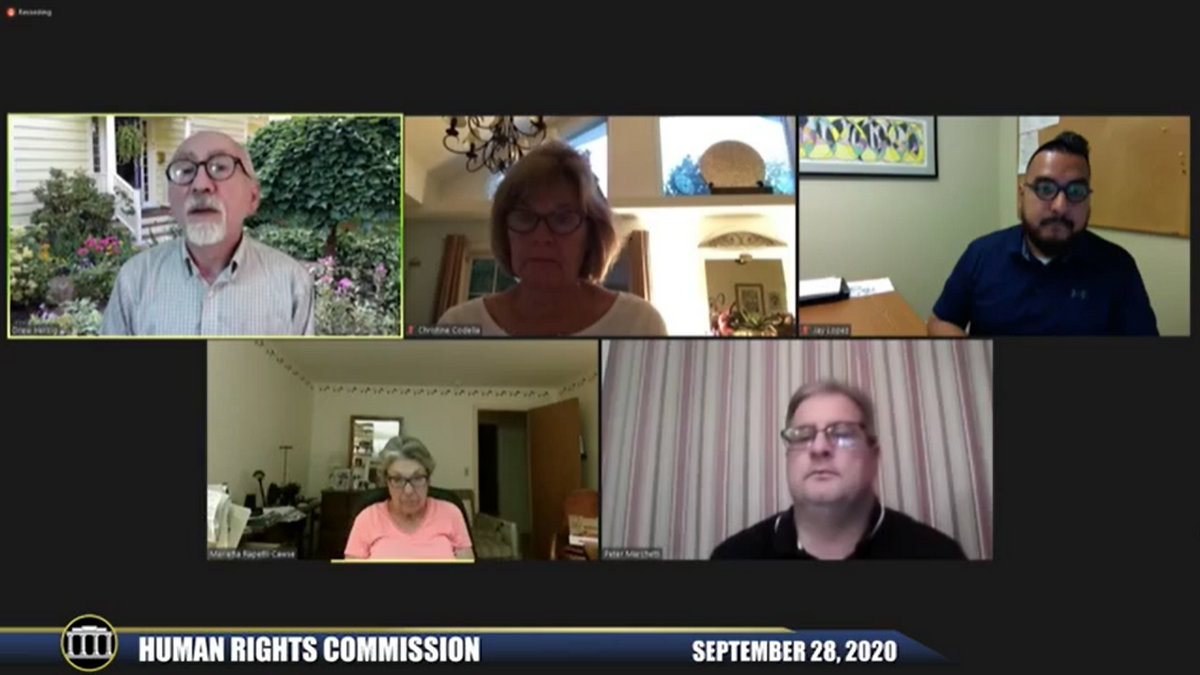
In response, commission unanimously approved to resolution urging Mayor Linda Tyer and the City Council to draft a housing first policy as a fundamental human right given to individuals before they are expected to clean up their lives.
Chairman Drew Herzig brought the resolution to the commission and modified it before the vote to ask the city to "support and facilitate" the work of organizations addressing the homelessness issues.
"I think partnering from the city is something that we need to address because as Reverend Howe said, if the city indicates its willingness to be part of the part of the project, funds from the commonwealth and other agencies are easier to get," he said. "If the city holds back and does not partner that becomes more problematic because very few agencies will want to appear to be intruding on a city's authority."
Commissioner Peter Marchetti, also City Council president, said he would submit the resolution to the council. Also attending were Commissioners Marietta Rapetti Cawse, Christine Cordella, and Jay Lopez.
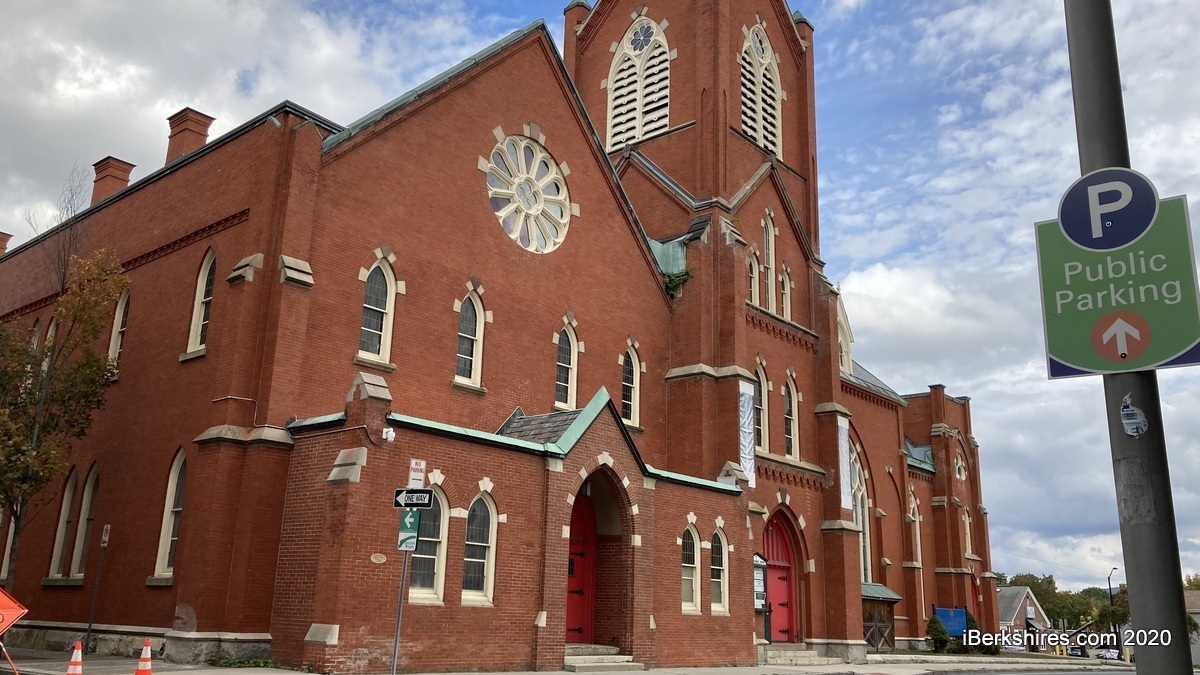
In early September, First United Methodist Church was approved to become a 40-bed homeless shelter administrated by ServiceNet after an approval delay and a lengthy amount of conditions. These conditions were set to eliminate loitering around the area and ensure ServiceNet will keep the entrance and abutting property clean.
The church has already been used for community meals, personal hygiene kit handouts, and a place to shower.
Howe's goal is to have the shelter open by Christmas, but even after it opens he believes the city has a lot more work to do on the homeless aid front.
Howe's first suggestion for addressing homelessness is adopting the housing-first assistance model. This approach prioritizes providing permanent housing to people experiencing homelessness so they can have a platform to pursue personal goals and improve their quality of life.
"Only with this model can most people gather themselves up enough to address the other issues that they face," he said.
The state of Utah launched a Housing First program in 2005 and has recently reported a 91 percent decrease in homelessness. Howe believes that a similar model could greatly benefit Pittsfield.
He explained that just being homeless causes an unbearable amount of stress.
"I would say that after warfare and domestic or sexual abuse, the leading cause of PTSD is homelessness," Howe said.
In terms of meetings goals beyond basic survival when experiencing homelessness, he states that it is near impossible.
"Persons without housing are working 24/7 with anxiety and fear and constantly scheming and moving from place to place to get shelter and all the other things that are so incredibly difficult when you do not have shelter," he said. "It's a grueling experience that drives people to the limits of their mental, physical, social, and spiritual capabilities."
Howe's second suggestion to approaching homelessness is to desegregate the city. City zoning has created a divide between middle and upper income neighborhoods and lower-income neighborhoods, he said, creating an unequal distribution of wealth and resources.
The history of zoning in the United States stems from the "separate but equal" doctrine upheld by the now rejected Supreme Cout decision in Plessy v. Ferguson, he said, thus leaving no place for it in our current society.
"As a newcomer to Pittsfield seven years ago, it was obvious to me and my family," he said. "The rich and white live in separate neighborhoods, often with no sidewalks for outsiders to walk though, white middle class get nice sidewalks and the poor, they are the ones that need the sidewalks the most and theirs are usually in the worst condition."
According to Howe, homelessness is connected to segregation in Pittsfield because a "gentrifying crony-capitalist" complained during the hearing process that having a homeless shelter near market-rate housing diminished their property values.
Howe believes the cultural arts district of Pittsfield is a wonderful asset, yet at the same time is designed in such a way that the permit process makes aforementioned comments valid to reject or condition a project for poor people to have places to live.
He urged members of the Human Rights Commission to look further into the segregation of Pittsfield, calling it an "insidious hidden system."
The last suggestion Howe has for addressing homelessness is recognizing the dysfunctional systems that are intended to help the poor but end up disadvantaging them. These include mental health, physical health, elderly care, disability care, and many more.
He states that these areas are starved of funding, instructional flexibility, and opportunities for creative cooperation. To change this, Howe believes the city needs to develop a process for interdisciplinary strategic planning.
"We need a fresh start," he said. "One that includes everyone."
Tags: homeless, human rights,