Homelessness Advisory Committee Sends Recommendations to Mayor Tyer
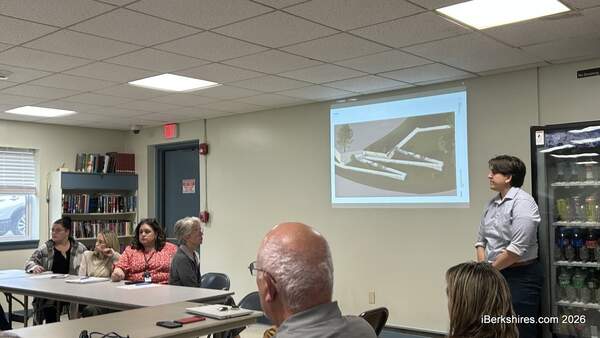
PITTSFIELD, Mass. — The Homelessness Advisory Committee last week approved a memorandum that recommends that Mayor Linda Tyer outlines the panel's thoughts and recommendations after one year of collaboration.
In the near future, the committee wishes to see efforts to establish centrally located public restrooms and lockers, a centralized source of resources to assist those who are homeless or housing insecure, communication with service providers about the importance of trauma-informed care, and increased employment or other opportunities for the "less fortunate" in downtown.
The communication also calls out deficiencies in affordable housing and support services to help individuals maintain housing while addressing underlying needs that contributed to homelessness in the past.
The committee would like the city to adopt a facility similar to Behavioral Health Network's "The Living Room" in Springfield, which is a one-stop place for showers, sleep, restrooms, food, and social services.
In September, members were asked to identify service gaps in the city's response to homelessness and bring recommendations to the October meeting that will go to Tyer. The panel was working on a draft letter in November and called off its meeting in December because there was not a quorum.
Berkshire Health Systems social worker Newell Young and Commission member Ed Carmel voted against the memo.
Carmel has previously criticized the panel for being ineffective and, during Wednesday's meeting, expressed that he saw some of the suggestions to be redundant of past efforts that never happened.
Young wished to see the recommendations for emergency backup shelters for people who are banned from a certain facility or are very high risk.
He requested a contingency plan for folks who are unable or unwilling to access shelter services, adding that he is working with some individuals who are being discharged to the streets.
"I guess the one thing I would suggest maybe adding or considering adding, this goes back a few years, but when we had a very, very cold winter I think that there were a group of people who I remember were picked up at McKay Street every afternoon at four and maybe taken to Soldier On," he said, speaking about a former overflow shelter at the veterans home.
"And I know that there are people currently who are who are barred from St. Joe's for various reasons, and I'm just wondering if we have kind of an emergency kind of backup shelter for super high-risk folks due to various issues."
Program Director of ServiceNet Erin Forbush said people are not barred from the shelter but they may be asked to leave for an evening or so.
She did not wish to have this conversation "on-screen" and agreed to speak to Young about it privately. Forbush later clarified that she did not want to speak of specific cases in a public forum.
"If I'm kind of misunderstanding that there is a there is a current sort of do not admit list for folks at St. Joe's as [Forbush] mentioned, I'm open to having that clarified, maybe with her offline," Young said.
The city's Community Development & Housing Program Manager Justine Dodds reported that she has been participating in conversations led by the Pittsfield Police Department on a "hub" model implemented by the Chelsea Police Department.
The initiative, which is a pooling of social service agencies and the police, has reportedly made a great impact in a similar community within the commonwealth.
She said the department has a "constant cycle of individuals falling through the cracks and responding to disasters and emergencies on an emergency basis," similar to Pittsfield.
"I think what they put together is they tried to think of some ways to address sort of the upstream factors of what's causing the street homelessness that they were seeing, the issues in the community ahead of time," Dodds said.
"So the hub is really a police-led initiative in which they have, I think there are weekly meetings, where they get together with social services, social service agencies, and anybody in their community and the government municipality that deals with these individuals to kind of go through these things on a case by case basis and address specific situations."
The criteria used is usually for immediate, difficult emergencies, she added.
Dodds said that if any of the committee members would like more information about the initiative or think their agency would be a good participant, she will make sure they are included in the formative stages of it.
Tags: homeless,