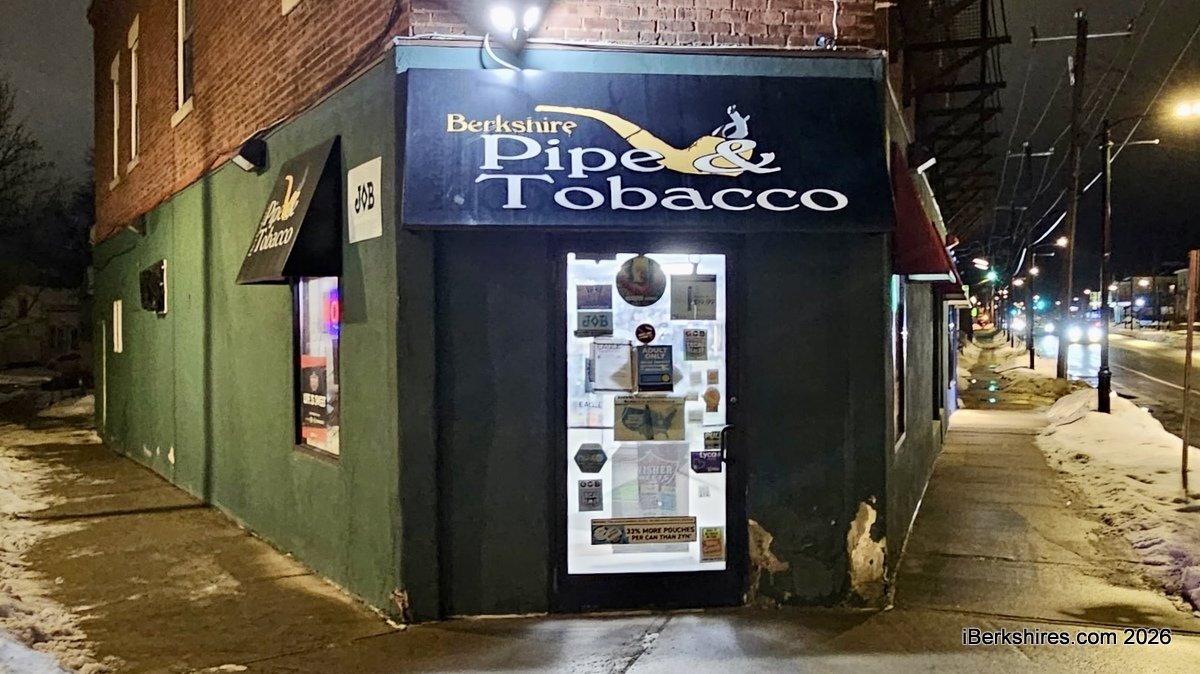
image description
Berkshire Pipe & Tobacco has lost the right to sell its only product.

Pittsfield Health Board Upholds Berkshire Pipe License Revocation

By Brittany PolitoiBerkshires Staff
Print Story | Email Story

PITTSFIELD, Mass. — The city has lost another tobacco permit, and Berkshire Pipe and Tobacco was advised to find a different product to sell. 

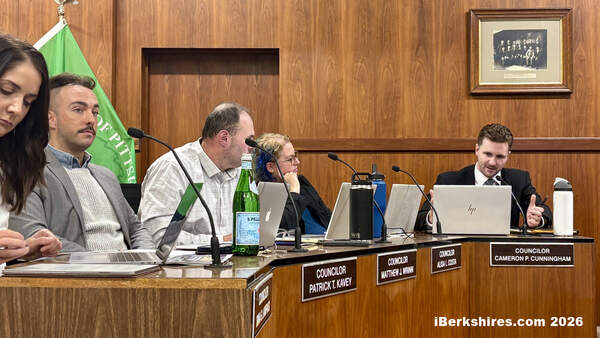
On Wednesday, the Board of Health reaffirmed its Dec. 3 decision to revoke the 17-year-old business's tobacco license, which has been suspended since March. While the shop owners were apologetic, the board upheld its decision because of repeated violations and a citation from the Department of Revenue for untaxed tobacco products. 

"Unfortunately, you're in a situation where, having been given a number of chances to get off suspension, get off fines, you've gotten to the point where you're selling an unlicensed product in our city, despite the fact that you shouldn't have anything on site, you actually have stuff that's illegal in the state so I can't think of any other way we can deal with this, other than to leave it as a revocation," board member Dr. Jeffrey Leppo said. 

"Otherwise, we might as well just simply say any store could do this, and there's no consequence. And we're not about to say that." 

No new applications are being accepted for tobacco permits in Pittsfield, meaning that when a permit is revoked, it goes away. The tobacco permit for Gulf Food Mart on Wahconah Street was revoked last year. 

Director of Public Health Andy Cambi reported that an August inspection by the DOR found untaxed products on site while the tobacco license was suspended. If not revoked, it would have been up for renewal on Dec. 11. 

"My sense is that we have given this establishment enough opportunities to go through their inventory to make sure they don't have tobacco products. We have gone out and done multiple inspections where there have been times that we have not found any tobacco products, there have been times that we have found tobacco products," he said. 


Store representative Nipun Saluja reported that the store passed inspection in May and June and provided the board with a letter, which was not read aloud. He said the store was initially given a one-month suspension that turned into a 10-month suspension. 

"So I did respect the board. We did not challenge their suspension. We did not go to court. We had our rights to go to court and challenge the suspension," he said. 

Saluja pointed out that the store doesn't hold any other licenses, such as food or alcoholic beverages, and asked how they are supposed to survive. He cited the number of cannabis dispensaries in the city. 

"It's unfortunate that you don't have any other products to sell to keep your business afloat, but it doesn't change the circumstance at all that we can't really trust you to not sell tobacco products," Chair Roberta Elliott said. 

"And we take that very seriously because we know that kids start smoking at a very young age because they have access to those products." 

She advised that Berkshire Pipe and Tobacco find another business strategy, and asserted that they cannot sell tobacco products anymore. 


Tags: board of health,   tobacco regulations,   
If you would like to contribute information on this article, contact us at info@iberkshires.com.

Social Service Organizations Highlight Challenges, Successes at Poverty Talk

By Brittany PolitoiBerkshires Staff

Dr. Jennifer Michaels of the Brien Center demonstrates how to use Narcan. Easy access to the drug has cut overdose deaths in the county by nearly half. 

PITTSFIELD, Mass. — Recent actions at the federal level are making it harder for people to climb out of poverty.

Brad Gordon, executive director of Upside413, said he felt like he was doing a disservice by not recognizing national challenges and how they draw a direct line from choices being made by the Trump administration and the challenges the United States is facing. 

"They more generally impact people's ability to work their way out of poverty, and that's really, that's really the overarching dynamic," he said. 

"Poverty is incredibly corrosive, and it impacts all the topics that we'll talk about today." 

His comments came during a conversation on poverty hosted by Berkshire Community Action Council. Eight local service agency leaders detailed how they are supporting people during the current housing and affordability crisis, and the Berkshire state delegation spoke to their own efforts.

The event held on March 27 at the Berkshire Athenaeum included a working lunch and encouraged public feedback. 

"All of this information that we're going to gather today from both you and the panelists is going to drive our next three-year strategic plan," explained Deborah Leonczyk, BCAC's executive director. 

The conversation ranged from health care and housing production to financial literacy and child care.  Participating agencies included Upside 413, The Brien Center, The Food Bank of Western Massachusetts, MassHire Berkshire Career Center, Berkshire Regional Transit Authority, Greylock Federal Credit Union, Massachusetts College of Liberal Arts, and Child Care of the Berkshires. 

The federal choices Gordon spoke about included allocating $140 billion for the U.S. Immigration and Customs Enforcement, investing $38 billion to convert warehouses into detention centers, cutting $1 trillion from Medicaid over 10 years, a proposed 50 percent increase in the defense budget, and cutting federal funding for supportive housing programs. 

Gordon pointed to past comments about how the region can't build its way out of the housing crisis because of money. He withdrew that statement, explaining, "You know what? That's bullshit, actually."

"I'm going to be honest with you, that is absolute bullshit. I have just observed over the last year or so how we're spending our money and the amount of money that we're spending on the federal side, and I'm no longer saying in good conscience that we can't build our way out of this," he said. 

Upside 413 provided a "Housing Demand in Western Massachusetts" report that was done in collaboration with the University of Massachusetts at Amherst's Donahue Institute of Economic and Public Policy Research. It states that around 23,400 units are needed to meet current housing demand in Western Mass; 1,900 in Berkshire County in 2025. 

View Full Story

More Pittsfield Stories