Officials Cut Ribbon on New Wahconah Regional High School
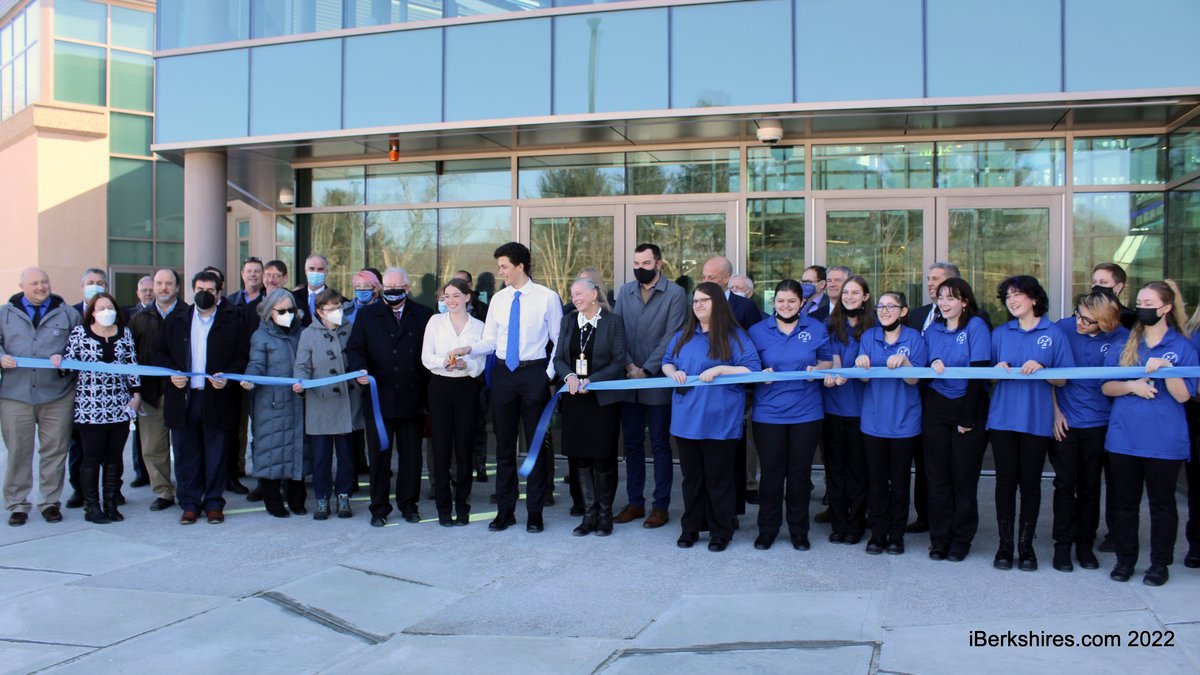
DALTON, Mass. — The community celebrated Wahconah Regional High School's new building with a ribbon-cutting and dedication ceremony on Wednesday.
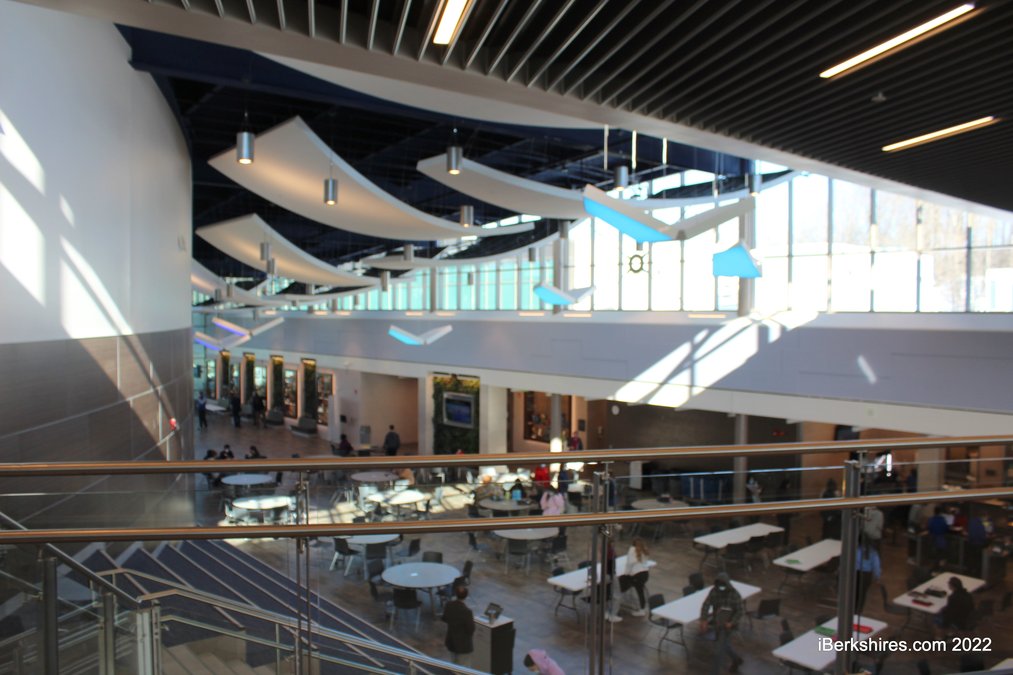
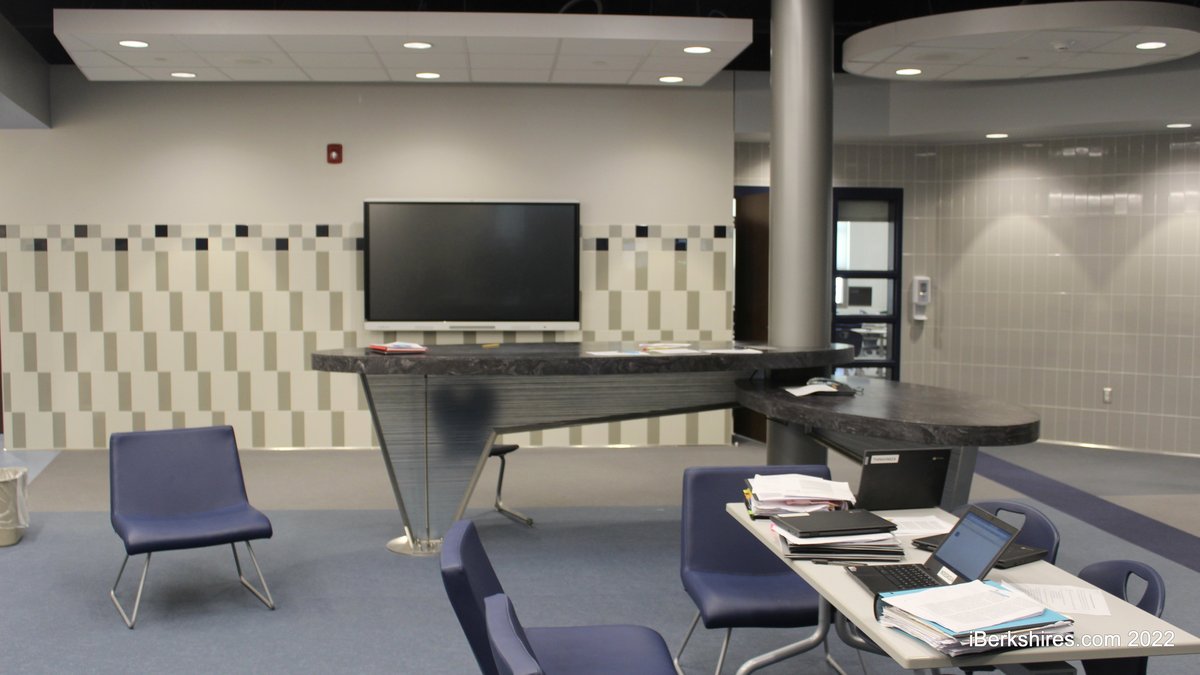
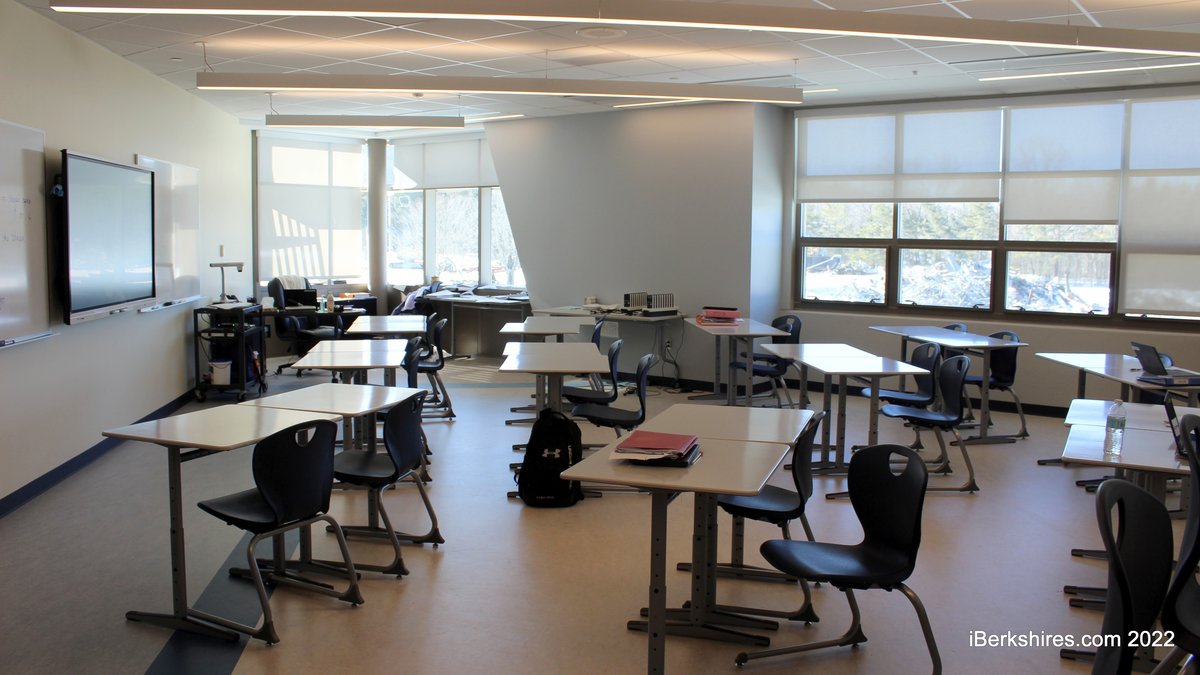
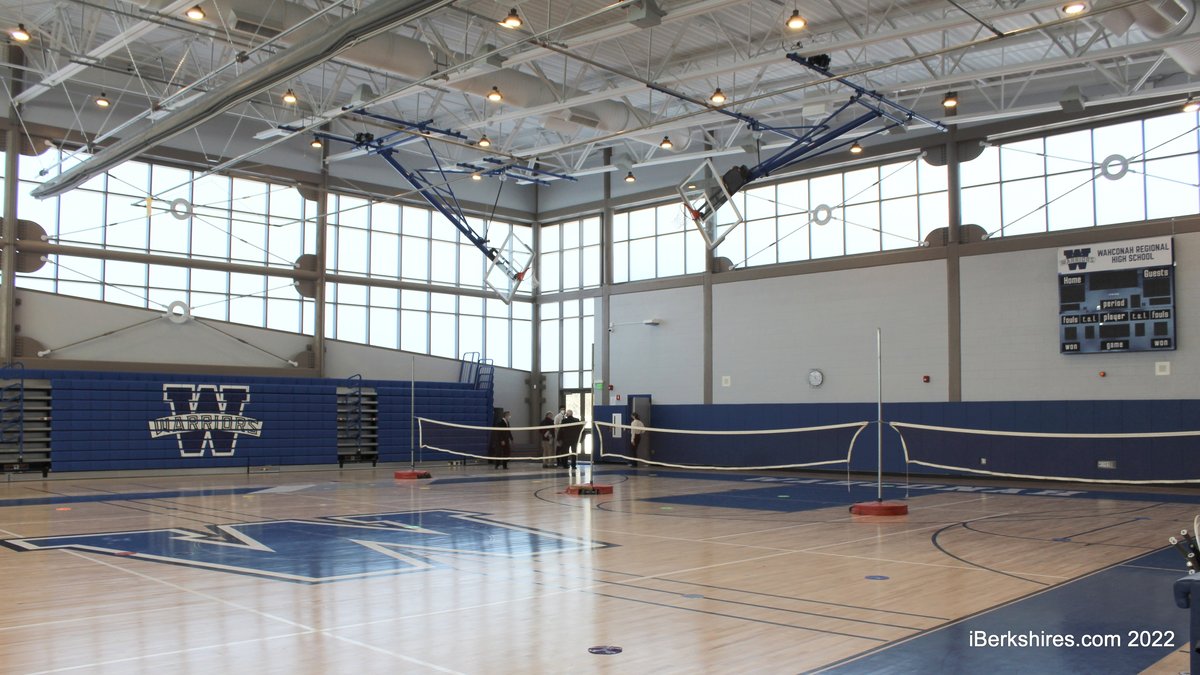
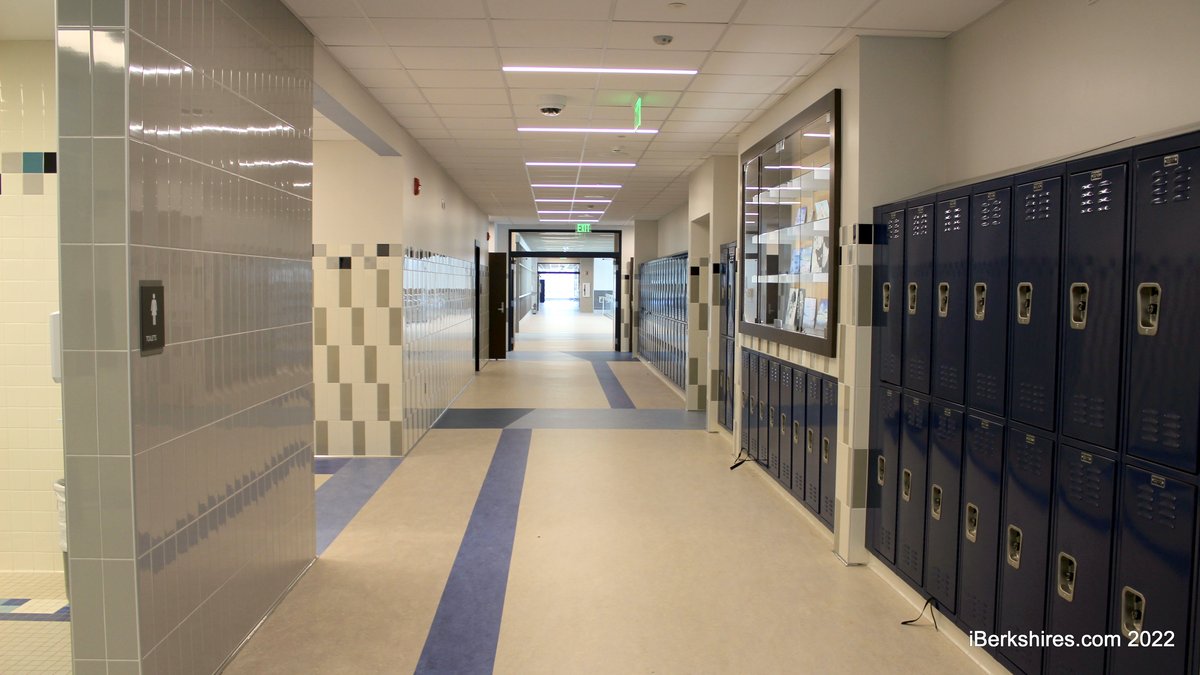
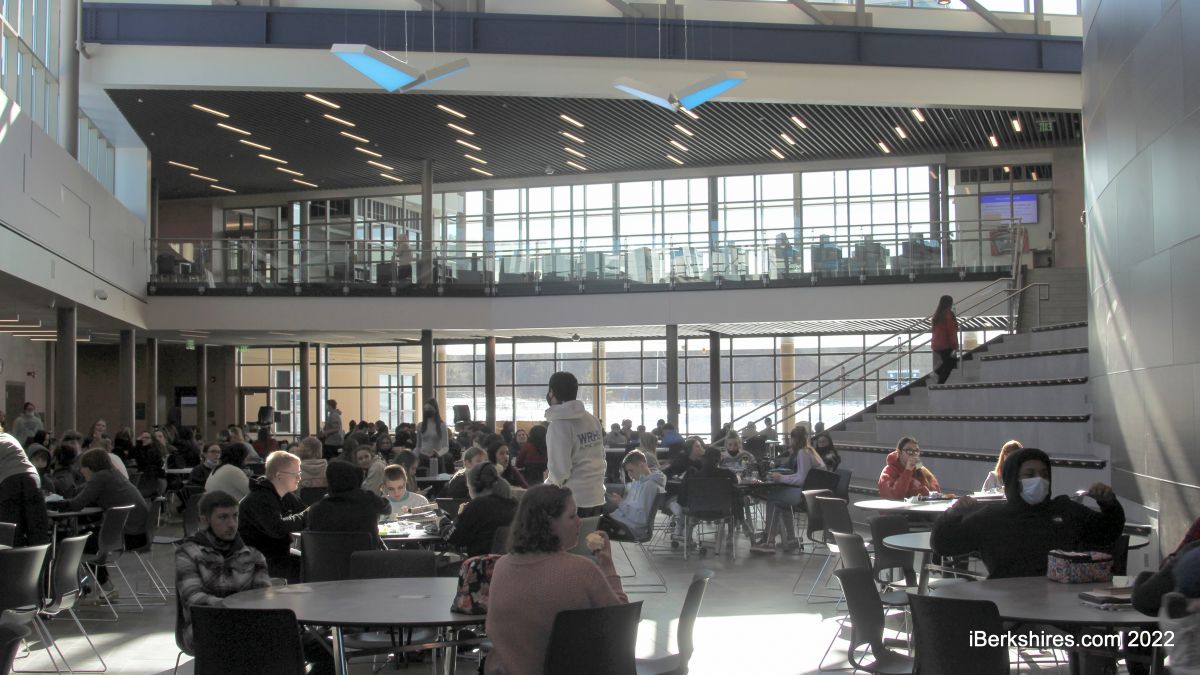
The $72 million facility is designed for the future of learning, incorporating high-tech utilities with a layout that encourages collaboration. Main features include a "main street" common area, pod-style classrooms, an auditorium that can fit the entire student body, and overhauled athletic facilities.
While the building was opened in the fall, the athletic fields are still under construction.
"Wahconah Regional High School has served as a flagship of the Central Berkshire Regional School District since 1961. The school has been born out of the vision back in the late 1950s when the regional district was first formed," Principal Aaron Robb said.
"That vision centered on the belief that students from all over the state's second-largest geographic school district, students from Dalton, Hinsdale, Peru, Washington, Becket, Cummington, and Windsor, could come together and learn as one. During the culminating years of public education, Wahconah has been the heartbeat of our region for 60 years and this new building is a testament to that fact and it will remain so for many decades to come."
The building project was approved in April 2019 by the voters of the school district by a narrow margin of just over 51 percent. Two years prior, an $850,000 feasibility study was approved that laid the groundwork for the building.
The project's budget is about $72 million with about $31 million in state reimbursement through the Massachusetts School Building Authority. Robb said they are hoping to come in under budget after everything is complete.
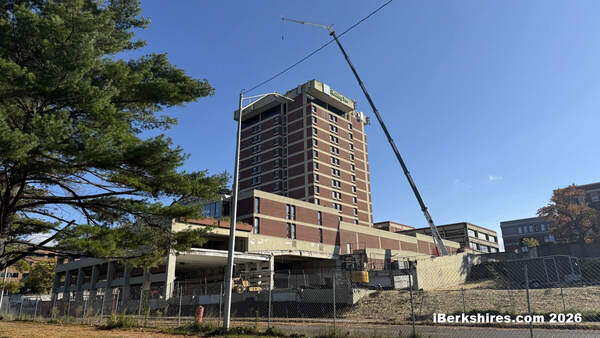
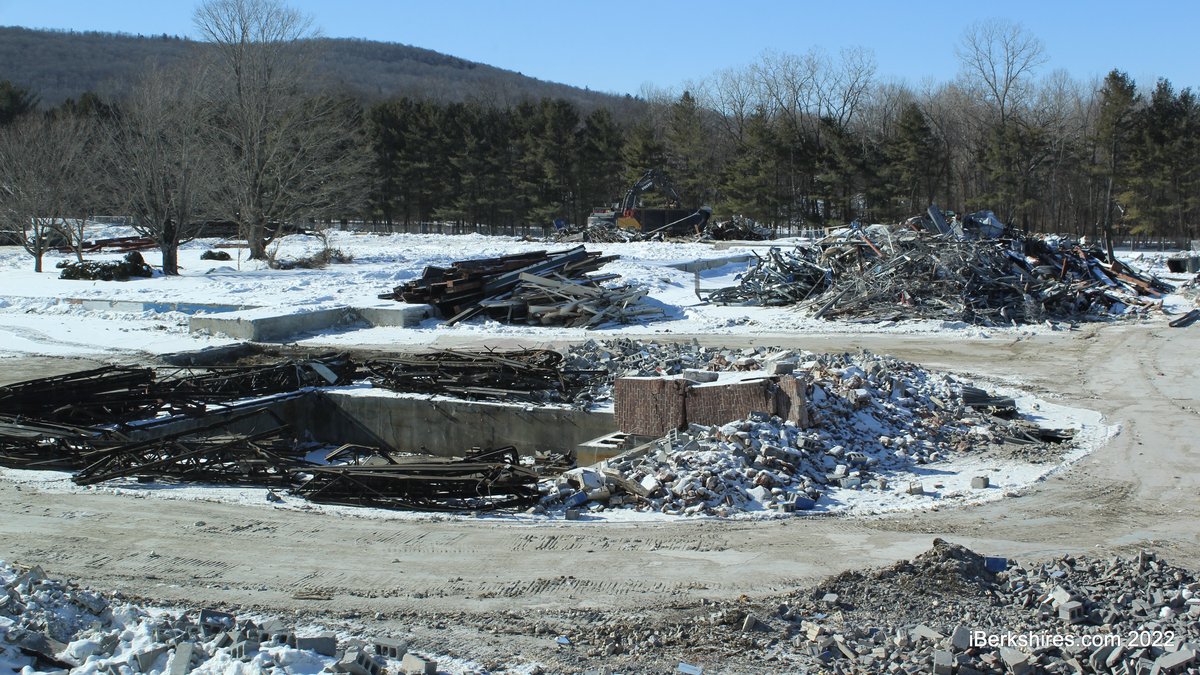
The new Wahconah was built beside the former high school in just over a year's time. When students and teachers were given the OK to transfer over to the new school in October, destruction of the old one began.
Remnants of the original Wahconah can be seen in the back lot where the sports fields will be.
Speakers included MSBA Executive Director Jack McCarthy, Superintendent Leslie Blake-Davis, School Committee Chair Barbara Craft-Reiss, School Building Committee co-Chair Tom Callahan, state Sen. Adam Hinds, state Rep. Paul Mark, and several other members of the school community.
Mark also spoke on the importance of the MSBA for making projects such as this happen.
"The Mass School Building Authority exists to make sure that small towns like this and small school district regions are able to undertake these renovations and come up with new buildings when it's time," he said.
"We all pay a penny out of the 6 cents that go into the sales tax, we always are paying a penny every time we buy something, into the School Building Authority Fund, so our money and money from towns all over the state is always going into this fund and just waiting for people to have the opportunity to take advantage of it."
Mark, as a resident of the district in Peru, recognized that the vote was not easy for taxpayers but said that the community ultimately chose to invest in the future and that will draw families to choose the area as their home.
"I think this is an investment that is going to pay off in both the short, middle and long term and this is why: think of the time we are in right now, the broadband project is finally wrapping up in Peru, you can finally get the internet and I hear in Becket you can as well, and that wasn't true two or three years ago, so that means this area is going to be that much more attractive to families that want to come here and want to spend time here," he said, referencing a state project to connect rural communities to Wi-Fi.
"And then they see this great school and they see the education that the students here are going to be able to get, it makes this region that much more attractive and we need that right now."
Hinds asserted that the importance of this investment cannot be overstated.
"This is an investment in our community for the long haul at a moment when we've seen population decline, student enrollment decline, its investment like this that make the difference," he said.
He called on State Auditor Suzanne Bump's 2021 study that identified deficiencies in Western Massachusetts public infrastructure and led to her Rural Rescue Plan.
"The auditor just put out a report that in Western Mass, we're not seeing the state investments in our infrastructure that we deserve and that we need, and we're falling behind and so having this dedicated funding source is critical," he said about the state investment in the school building.
"I think we need to do the same for our public buildings and our public safety buildings, it doesn't make sense that we can have someone in one ZIP code have a better sense of security than someone in another ZIP code simply by the ability to pay."
Student representative Madeline Riechers finds the new building to be an open collaboration space that encourages peers to work together in groups.
"As much as I love my old school and the memories associated with it, this building will be a much better learning environment for coming generations," she said. "This building explores a more open concept throughout as common areas, a larger gym, smartboards living walls and most, excitingly 100 percent of our current classrooms are permanent classrooms,"
"It may not seem like too big of a deal to most people, but to be able to go to math class without a winter coat is a true luxury."
Through speaking with fellow classmates, she found that favorites in the new facility are the common spaces, the "living walls" adorned with plants, and the overall feel of the design.
The main street area has reportedly been compared to a castle, a hotel lobby, and other upscale venues.
"This building is a much better symbol of who we are as a community," Riechers said. "Showcasing a physical representation of our incredible academics, athletics, arts and so much more."
Tags: MSBA, ribbon cutting, WRHS,