Pittsfield Affordable Housing Trust Meets for the First Time
PITTSFIELD, Mass. — The city's Affordable Housing Trust had its inaugural meeting on Wednesday, starting its journey to create and preserve accessible housing in the community.
"There's just not housing for the people that need to be in Berkshire County," Chair Betsy Sherman said.
"We need to attract young families. We need to attract working people. We need to expand our horizons in terms of the ability to create new industries, new business, whatever it is to bring more people to Berkshire County and to make lives better for the people that are here."
The seven-member board aims to help the city address housing needs that disproportionately affect under-resourced residents. It will help to provide rental assistance programs, first-time homebuyer programs, and workforce housing programs for those who need them.
It was approved by the City Council in June.
Currently, there are six members on the panel: Director of Community Development Justine Dodds, Executive Director of the Christian Center Betsy Sherman, Berkshire NAACP member Kamaar Taliaferro, Community Development Board member Floriana Fitzgerald, attorney Michael McCarthy, and George Whalen.
Berkshire Regional Planning Commission created a detailed report of relative information during the planning process for the trust and helped draft its ordinance.
Executive Director Tom Matusko convened a large focus group and pulled together a detailed housing plan for the Berkshires. Dodds said it will help ground the trust when it starts looking at what the current landscape is and ways that it could be effective in moving the needle forward on issues expressed in the report.
Matusko confirmed that there is a housing crisis in the county.
"We're at a crisis in terms of the housing situation and in Berkshire County and it's affecting the economy," he said.
"It's affecting our ability to grow our population, it's affecting communities, they're changing with the affordability and not being able to live in the communities that you work in and so I think this is something that needs a lot of attention."
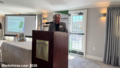
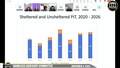
Project specialist Chris Skelly of Berkshire Regional Planning Commission went through the mechanics of an affordable housing trust and how it can benefit the community.
He pointed out that the trust is a method of effectively directing municipal funds to affordable housing and keeping them separate from the general fund. They are often supported by the Community Preservation Act monies.
About 120 cities and towns in the state have affordable housing trusts. In Berkshire County, they are in Great Barrington, Lenox, and Williamstown.
Skelly gave examples of such housing in the county including the Rice Silk Mill and the New Amsterdam apartments and the more expensive Onota and Howard apartments. He said the recent home lottery in Lenox is also an example.
The board took about an hour to discuss the ins and outs of its purpose.
McCarthy asked how the members would define affordable housing and Dodds said it is dictated by the funding that it comes from.
"That definition seems to be based upon the tenant's ability to pay, as opposed to us focusing on creating housing that is, quote, affordable, end quote," he replied. "So I think I have to adjust my thinking a little bit."
Taliaferro made suggestions about possible homeownership programs that have a similar model to Mayor Linda Tyer's At Home in Pittsfield loan program and speculated how the trust can be involved with and informed about developments in the city.
He also suggested adding members to the board with lived experience.
"I look at us and I think all of us here are remarkably lucky to have certain privileges and that's stable housing and I think it would be really important as we go through this process, even if these additional seats are not voting seats, to have people who are members of this board with current lived experience," he said.
"Who are currently living, whether that is searching for housing and they are on a certain income level, or whether that is attempting to navigate the variety of services that we have from our community partners and from our city. I think it's really kind of crucial,"
"I also think it's important for the Affordable Housing Trust fund to with the makeup of the board, and with how we proceed as a board, reflect the diversity of our city and the diversity of housing needs in our city and really, as insofar as we can act out what our values are."
Tags: affordable housing,