Guild of Berkshire Artists Opening New Exhibit
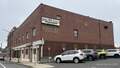
PITTSFIELD, Mass. — Guild of Berkshire Artists will be hosting its new exhibit "Color, Texture & Form" in their Art on Main gallery, located at 38 Main St, and will run for three Friday, Saturday, Sunday weekends.
The exhibit will open Saturday, Nov. 18, and feature work from three local artists specializing in different mediums and utilizing different views on color, texture, and form.
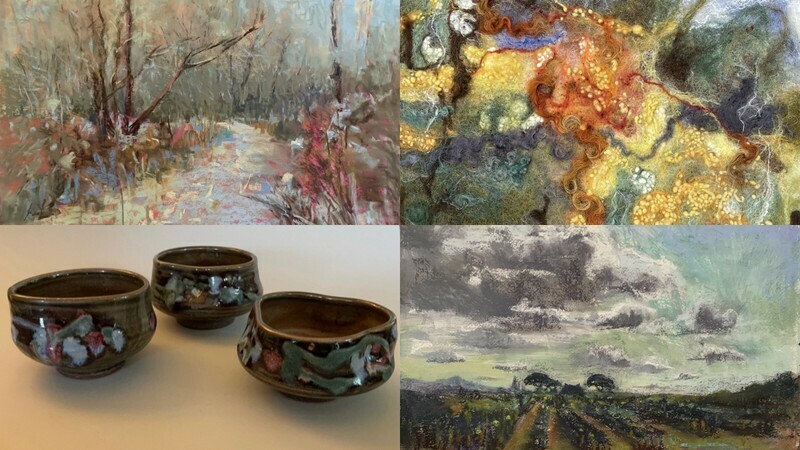
Artists Sarah Morrison, Sally Lebwohl and Margie Skaggs all focus on different mediums of art but all emphasized that sharing their work with fellow artists gives them the courage to try new things and look at their own work with a different perspective.
They also noted that the gallery adds some additional energy to West Stockbridge.
They are looking forward to getting to know their gallery peers and discover how their work will blend together once they start setting up the exhibit. They are excited about putting this together to see what becomes of it.
Morrison's love of the tactile experience of art creation inspired her to explore different artistic mediums including collage, printmaking, and felting, to express the "spirit of place within each subject."
"Making art makes me happy. So I think that I hope that that comes through ... My art is always inspired by something I've seen outside, usually in nature. So even if it looks very abstract, I hope that there's some sort of joy and playfulness that comes through with it," Morrison said.
She joined the guild in 2018 after moving here from the San Francisco Bay Area. She did not participate a lot in the activities for the first year after joining and when she did, the pandemic started.
She was able to stay active in the community through the guild's online programming, which gave her the opportunity to meet new people and feel connected.
Lebwohl joined the guild two years ago during the pandemic after moving to Stockbridge full time. She focuses on the color, composition, light, and texture of her surroundings, often Cambridge or Berkshire County, as a way to become more aware of their beauty using soft pastel on sanded paper.
Like Morrison, she was able to connect with other artists through the guild's online programming, such as the plein air workshops and artist talks, and be part of a community at a time where many people felt trapped and alone.
All three artists agreed that COVID-19 and the use of Zoom allowed the guild to introduce a variety of programming that allows them to connect with artists.
Unlike her counterparts, Skaggs focuses on clay creation as a way to emphasize the "function, beauty, affordability, and an element of surprise" in her creation.
During her 30 years experimenting with clay, Skaggs developed her own voice in her art that is influenced by the traditional forms of clay creation from American and Japanese folk cultures.
She lived in New Mexico in the 1940s and collected pieces from Native Americans — particularly the Black-on-black ware by the Puebloan Native Americans.
Her interest in the style started with her parents who had a couple large platters displayed on a bookcase that she was always fascinated by.
When her parents moved to Arizona she would visit the trading posts with her husband adding to her collection.
Margie Skaggs joined the guild in 2015 when it was still named the Richmond/West Stockbridge Artists Guild, Inc and has had the unique opportunity to watch it evolve and broaden. During her time working with the guild, she has met "terrific people."
The gallery will be open every Friday, Saturday, Sunday until Dec. 4 from 11 a.m. until 4 p.m. There will be a reception on Saturday, Nov. 26, from 2 until 4. More information here.
Tags: art exhibit,