Mayor Linda Tyer Not Seeking Reelection
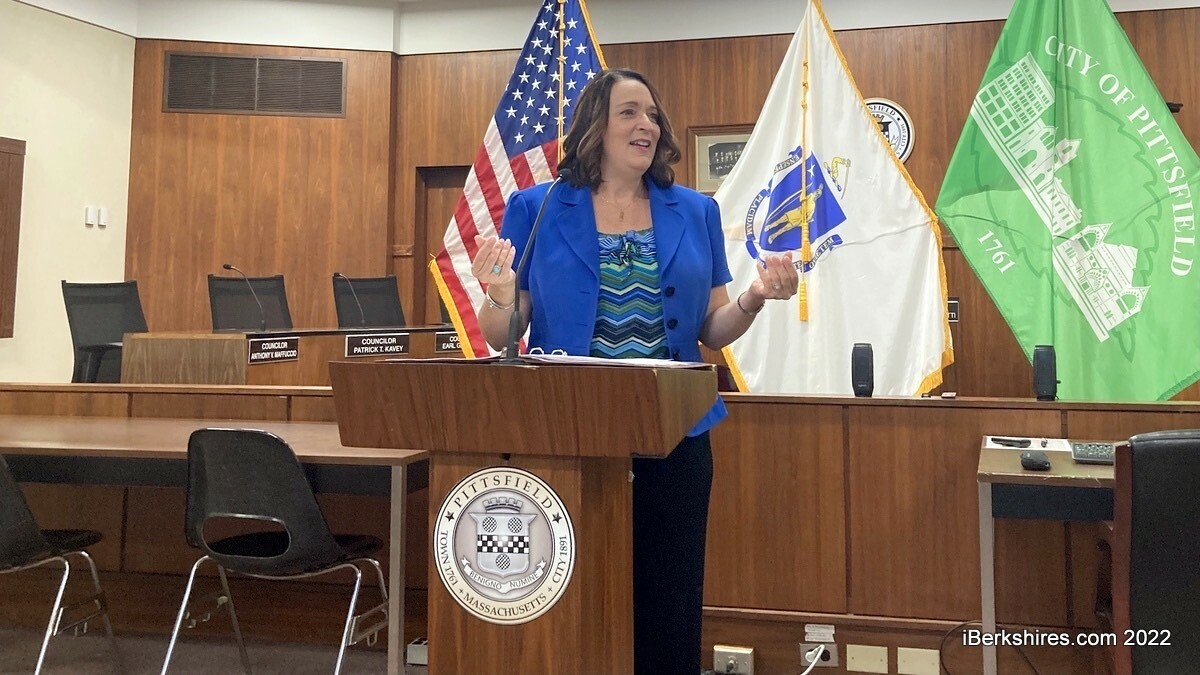
PITTSFIELD, Mass. — Mayor Linda Tyer released a statement Friday morning indicating that she would not seek reelection.
Tyer served two terms after being elected in 2016 and has been in public office since 2004. Her previous elected roles include Ward 3 City Councilor and City Clerk.
The statement is as follows:
Dear Friends and Colleagues:
After several months of contemplation and conversations with my family and close friends, I have decided not to seek re-election in 2023. It is a bittersweet decision. I am sad to leave a career that is challenging and rewarding. Saying farewell to brilliant, dedicated colleagues and engaged citizens that inspire me daily is difficult. Yet, I will have more free time for all of life's enjoyments with my husband and will begin a special time of caring for my elderly parents while finding new ways to stay connected to the community that I cherish.
When I ran for public office in 2003, I never imagined that nearly 20 years later I would be in my second four-year term as Pittsfield's mayor. My tenure in elected public service as the Ward 3 City Councilor, the City Clerk, and now as Mayor has been the greatest honor of my professional life. I will be forever grateful that, time and again, Pittsfield voters placed their trust in me.
Throughout the years, I have met thousands of wonderful, hard-working, resilient people of all ages and backgrounds who call Pittsfield their home. Together, we celebrated successes, struggled through hardship, dreamed big, and solved problems.
As I begin my final year in office, I look back on a few of our signature accomplishments. When I became mayor in 2016, the city was in dismal financial condition. Fiscal stability has returned yielding healthy balances in the city's savings accounts which have grown to unprecedented amounts. The historic St. Mary's was saved. The architectural beauty of the building has been preserved and fresh, modern apartments are now home to many. The Red Carpet Team, established in 2017, creates a one-stop shop for economic growth and job creation for existing and new businesses. Rebuilding the city's wastewater treatment plant was controversial, yet essential, for protecting and preserving local waterways. Supporting the redevelopment of the iconic Bousquet Mountain is a big step towards strengthening outdoor recreation for our enjoyment and economy. Neighborhoods grew stronger and more stable with At Home in Pittsfield, a unique program giving residents access to funds for exterior home repairs. Multiple rounds of successful contract negotiations with the unions created stability and built mutual respect among our employee groups. Establishing the Citizens' Academy provides an immersion program for residents to take a deep dive into municipal government.
The most significant challenge we all faced was the devastating impact of a global pandemic. Rapidly forming the city's COVID-19 Task Force helped us navigate these uncharted waters.
Throughout the pandemic, our daily interactions protected public health, supported small businesses with financial assistance, kept the community informed, and focused our attention on the long days and difficult tasks that lay ahead. Overseeing once-in-a-lifetime funding from the federal American Rescue Plan is providing the tools and resources to recover quickly from the negative consequences of COVID-19. We listened to the expressed needs of our community and built an investment plan spanning multiple categories. These investments will benefit our city for years to come.
There are hundreds of victories and challenges, big and small, that never make a headline. It wasn't always easy or comfortable, but throughout it all, a strong network in every corner of our community and across federal and state partners has been the backbone of our success. Pittsfield is getting the recognition and the support that it deserves. In our final year, my team and I will finish strong, turning over to the next mayor an organization that is well-positioned to lead our hometown towards the future with more housing choice, advances in diversity, equity, and inclusion, expanded year-round outdoor recreation, greater fiscal stability, a growing emphasis on mental health care initiatives, the redevelopment of Site 9 at the William Stanley Business Park, a public school strategic plan to guide the future, the restoration of Wahconah Park, and continuing the work laid out in the city's American Rescue Plan priorities.
Thank you, Pittsfielders, for all you do every day to make our city a great place to live, work, visit, and enjoy. It has been my great pleasure to be a part of our shared experiences.
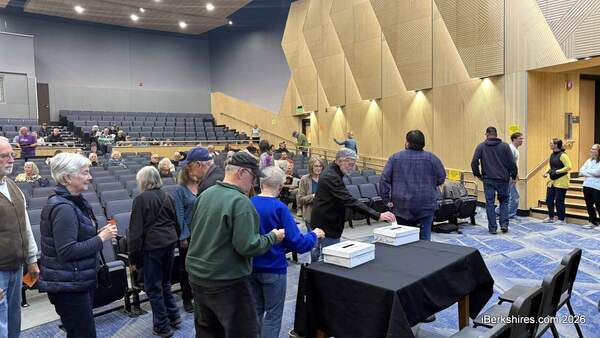
The preliminary election is on September 19, 2023, and the general election is on November 7, 2023. Nomination papers become available on Monday, April 3, 2023. City Council President Peter Marchetti and former councilor John Krol have indicated that they will be running.
Tags: #PittsfieldElection, mayor, Tyer,