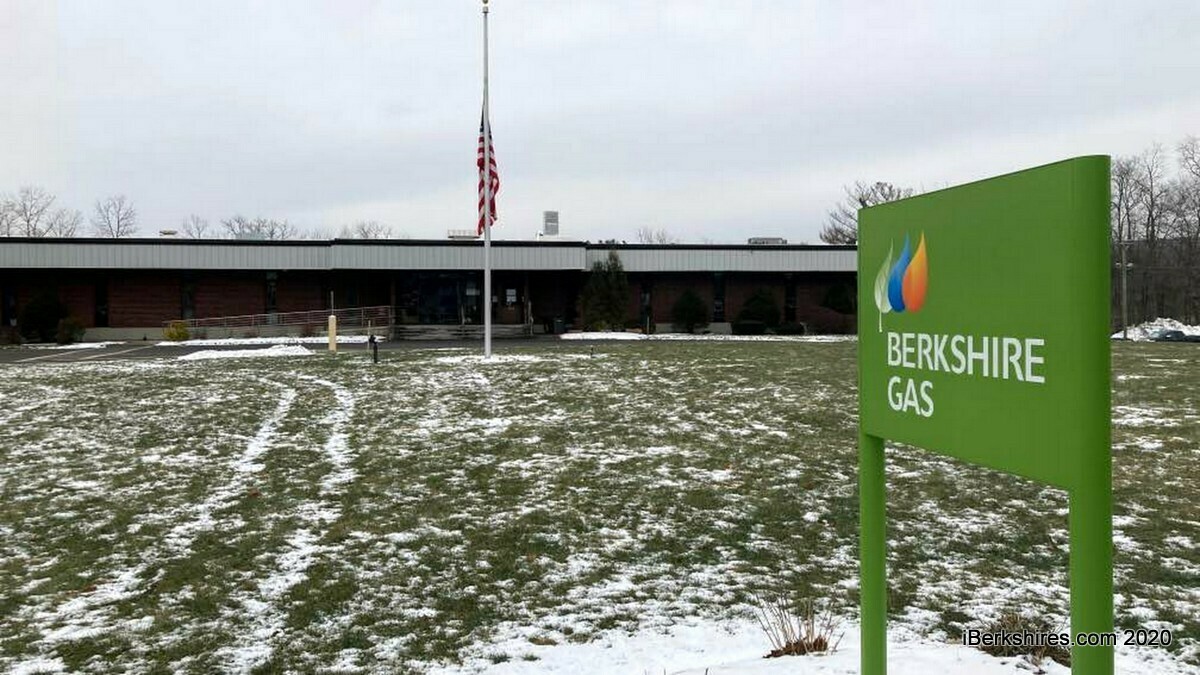
Berkshire Gas Requests 'Energy Efficiency' Budget Increases
PITTSFIELD, Mass. — Berkshire Gas has requested an increase in its energy-efficiency budgets in the residential, income-eligible, and commercial industrial sectors that will raise the average residential heating bill by about $4 a month.
On Friday, the state Department of Public Utilities hosted a hearing for the gas company's petition for modifications to its 2022 to 2024 Three-Year Energy Efficiency Plan that provides energy-efficiency programs for customers in these sectors. It was filed in late August and written comments were due on Monday.
No members of the public spoke at the virtual hearing.
The four proposed budget increases amount to $7.6 million.
In the residential sector, the BGC proposes a $2.66 million, or 32 percent, increase to the Residential Existing Building program and by $140,000, or 28 percent, to the Residential Hard-to-Measure program
The company said the proposed increase to the Residential Existing Building program is driven by higher-than-expected demand for heat pumps and that it will use the increase to offer participant incentives for electrification measures within its Residential Retail Core Initiative.
The proposed increase in the Hard-to-Measure program is said to be necessary due to unanticipated increases in spending for education, evaluation and market research, sponsorship, and assessments.
In the income-eligible sector, BGC proposes a $450,000, or 10 percent, increase to the Income-Eligible Existing Buildings program, stating that the additional funds are necessary to ensure that at least 20 percent of expenditures for gas efficiency programs to the sector are allocated.
In the C&I sector, BGC proposes a 139 percent increase of $4.35 million to the C&I Existing Buildings program. The increase is attributed to higher-than-anticipated demand and the company says it will be used for participant incentives in the C&I New and Replacement Core Initiative and the Existing Building Retrofit Core Initiative.
If the DPU approves the items, the average residential heating customers using 136 therms of gas per month in the winter will see a monthly bill increase of $4.07, or 1.52 percent. The average residential low-income heating customers using 123 therms of gas per month will see a monthly increase of $2.76 and the impacts for C&I customers will vary.
The Low-Income Weatherization and Fuel Assistance Program Network, the Low-Income Energy Affordability Network (LEAN,) and the Massachusetts Department of Energy Resources were granted petitions to intervene and on Dec. 12, the company filed a proposed settlement agreement with the attorney general, LEAN and DOER.
Written comments on the settlement proposal can be submitted to the DPU in pdf format by email attachment to dpu.efiling@mass.gov and elyssa.klein@mass.gov by Dec. 29. It is asked that comments also be sent to the company's attorney Joseph Dorfler at jdorfler@richmaylaw.com.
The text of the email must specify the docket number of the proceeding (DPU 23-93,) the name of the person or company submitting the filing, and a brief descriptive title of the document.
Tags: berkshire gas, public utility,