Berkshire County Sees Over $300K for Digital Equity
PITTSFIELD, Mass. — The state has awarded more than $300,000 to six Berkshire communities for digital equity.
On Monday, the Massachusetts Technology Collaborative's Massachusetts Broadband Institute announced $1.33 million to communities as part of its new Municipal Digital Equity Implementation Program.
Adams, Cheshire, Florida, Lanesborough, North Adams, and Pittsfield will receive a combined total of $310,332.53 in implementation grants. These support planning projects that focus on internet accessibility, public space modernization, device distribution and refurbishment, and digital literacy.
This is a part of the $1.33 million awarded to 19 cities and towns as they work to bridge the digital divide.
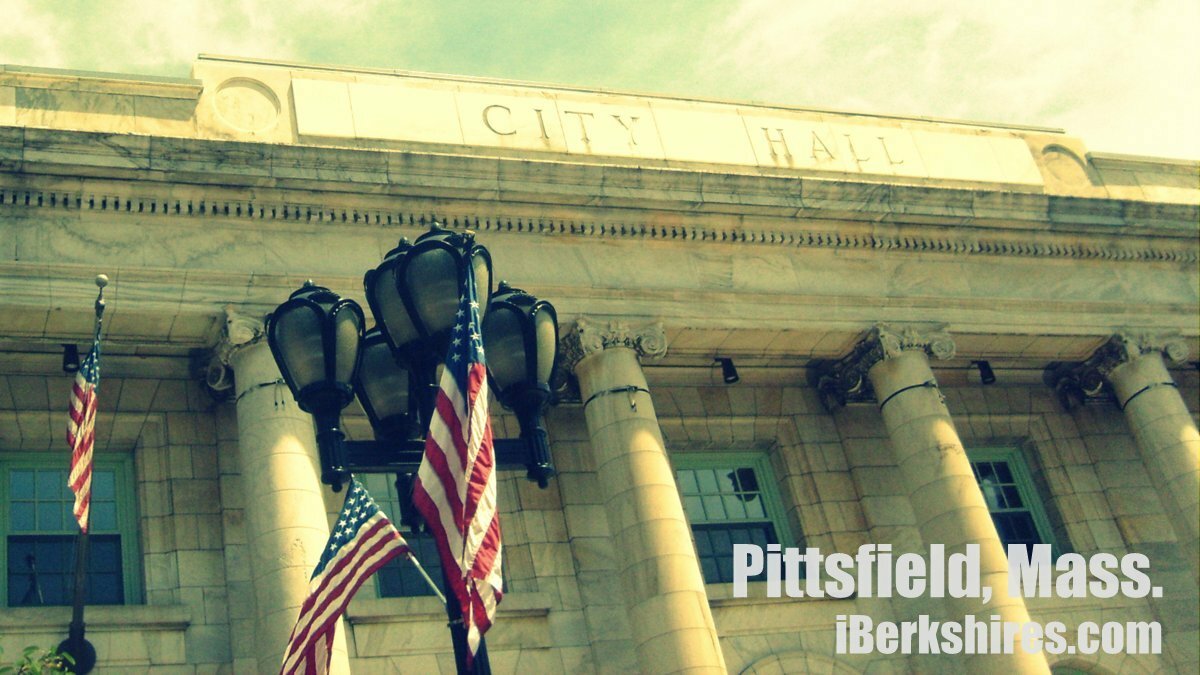
Pittsfield received nearly $100,000 to support public Wi-Fi expansion into Durant Park, located in a neighborhood designated as an Environmental Justice Community, and to hire a digital equity consultant.
"This most recent grant is part of the second phase of the city of Pittsfield's formal digital equity efforts in partnership with MBI. Using federal ARPA funds, MBI awarded the city of Pittsfield $99,972 to begin implementation of some items identified in the Digital Equity Plan. This includes Public Space Modernization and Education, Outreach and Adoption," Chief Information Officer Kevin Zawistowski said.
"The first portion of the grant, public space modernization, includes extending the City’s current free WiFi network to Durant Park in Pittsfield and adding signage across the city to alert residents and visitors to the networks and how to connect. The second portion of the grant focusing on education, outreach, and adoption provides money to hire a multilingual digital equity consultant that will be the main liaison between residents and City Hall for matters involving digital equity."
The city was awarded a Digital Equity Planning grant in 2023 and created a Digital Equity Plan focused on internet availability and affordability, device access, and digital skills. The Berkshire Regional Planning Commission was contracted to help identify barriers that limit folks' access.
According to a 2023 presentation, the downtown, Crane Avenue, Cheshire Road, and Dalton Avenue areas reported higher numbers of households without internet, and downtown, Morningside, Westside, Merrill roads and East Street, and Crane and Dalton avenues and Cheshire Road areas reported a higher number of households without a computer.
Durant Park is located in the West Side.
Zawistowski added that Pittsfield is committed to ensuring that all residents, visitors, and employees have equitable access to city government resources.
"Recently, the city was awarded a Community Compact Cabinet grant from the state to redesign the municipal website. The main focus of this grant is accessibly — not to prevent an ADA lawsuit, but to ensure that everyone has equitable access to government. We are in the final phases of contract negotiations for the redesign, so expect more to come on the topic very soon," he wrote.
"In addition to the website updates and the MBI grant, we are expanding the free Wi-Fi network to include the Ralph J. Froio Senior Center, the Lichtenstein Center for the Arts, and City Hall. The Council on Aging at the Froio Senior Center also has several offerings for seniors regarding digital equity including Tech Talks, computer workshops and more."
Last year, the city was recognized as a trailblazer by the National Digital Inclusion Alliance.
"This is only the beginning, we recognize these efforts as a START and in no way are the final solution to the inequities we see in the digital landscape," Zawistowski explained.
North Adams received more than $60,000 for the "Digital North Adams" project, which aims to advance public spaces to improve public Wi-Fi and device access. The city's IT department will offer free training opportunities focused on digital skills through the North Adams Public Library.
Similar to efforts in central and south counties, the Northern Berkshire digital equity plan includes Adams, Cheshire, Florida, Lanesborough, and North Adams.
During a public meeting held for the plan last year, attendees cited a lack of fast, reliable internet access for parts of the county because of the paucity of providers. The town of Florida was described as having 19th-century technology because of its struggles to get internet.
Adams will receive some $64,000 for enhancements to the Greylock Glen Outdoor Center and the Adams Free Library to bolster participation at public events. The town will also ensure access to digital literacy programs improve internet services and purchase new devices for use at the library and the Council on Aging.
Earlier this month, a ribbon was cut on the long-awaited outdoor center, the first milestone in the development of the 50-acre parcel. The net-zero structure includes an exhibit detailing its construction and the natural world, a cafe, and classrooms for future programming by Mass Audubon.
A patio in the back looks out on the state's highest summit and provides access to trails within the 1,000-acre glen and into the 12,000-acre Mount Greylock State Reservation.
Lanesborough saw over $53,000 to implement "Lanesborough Connects," a program that upgrades public spaces and provides digital literacy training and devices. Through the library and Council on Aging, the town will make public Wi-Fi upgrades and offer free digital literacy training.
Cheshire received over $9,000 to support a new deiced lending program called "Tech for Cheshire." The town will purchase 15 laptops and 10 tablets for its public library and senior center to deliver to patrons as well as a hot spot device.
Similarly, Florida received over $23,000 for the "Florida Tech for Teachers" project that provides the Gabriel Abbott Memorial School with devices to improve quality and access to technology and online learning. The town will purchase Chromebooks for students, laptops for staff, and two Smartboards, benefitting over 100 members of the school community.
Tags: Internet,