Pittsfield Gets 100K For Digital Equity
PITTSFIELD, Mass.— The city has received $100,000 toward developing digital equity.
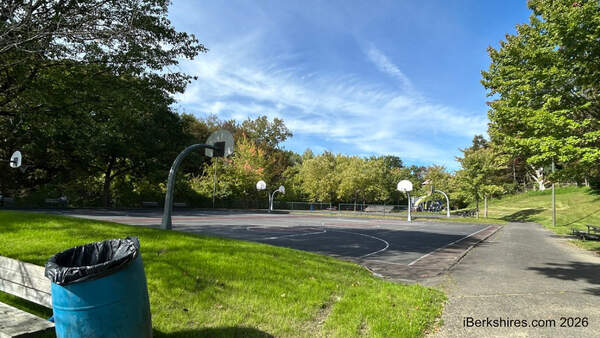
On Tuesday, the City Council accepted a $99,972 Digital Equity Implementation Grant from the Massachusetts Technology Collaborative. It will expand public Wi-Fi to Durant Park, bring wayfinding for Wi-Fi to the downtown area, and fund a digital equity ambassador to get the word out to the community.
Pittsfield is the first of 14 local communities to participate in the digital equity planning project through the Massachusetts Broadband Institute and the Berkshire Regional Planning Commission. It was selected last year.
The focus is on digital equity, inclusion, and literacy with the hopeful outcome of equal access to technology that is essential for everyday life. This is the first phase of a five-year plan.
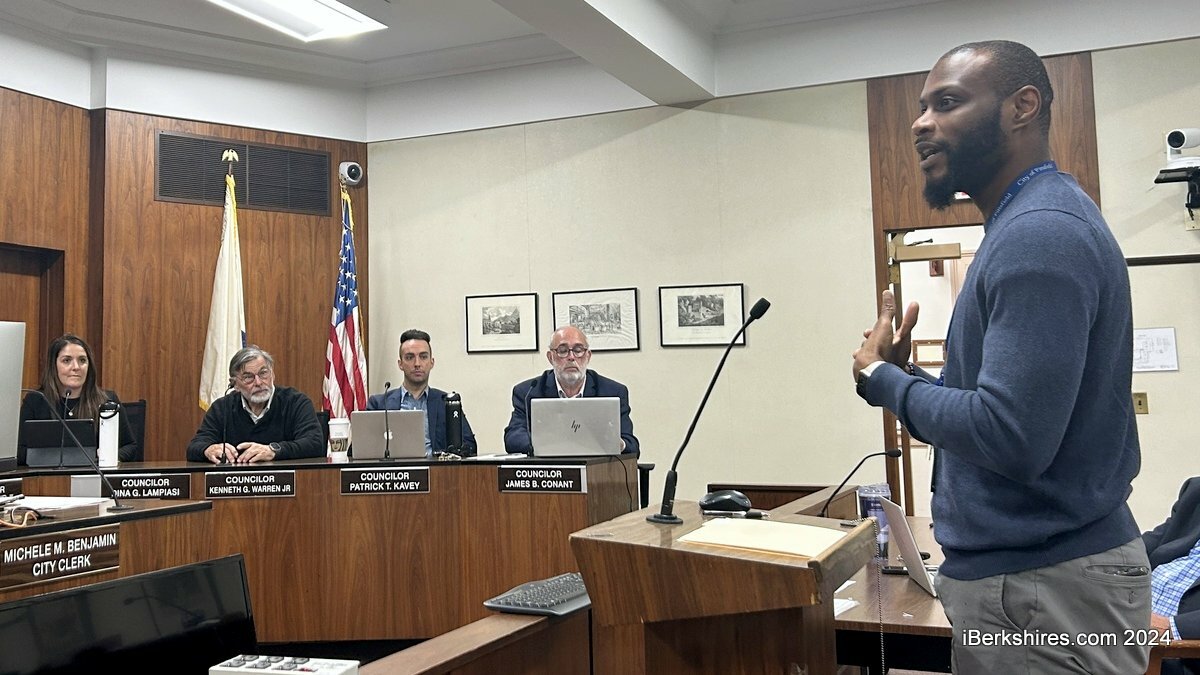
"There will be some information sessions, some digital classes to help with cybersecurity and being able to navigate online safely, and then also it will provide access to our non-English speaking community around our digital equity," Chief Diversity Officer Michael Obasohan explained.
The city currently has 10 wireless access points in the downtown area and the only other park with city Wi-Fi is The Common.
"We're not providing residential access so the Wi-Fi is great in providing more access to residents, especially those disadvantaged that cannot pay for internet, but it will not fill that gap for the Affordable Connectivity Program that has recently gone away," Chief Information Officer Kevin Zawistowski said.
Around 16,000 city households qualified for the Federal Communication Commission's affordable internet program that ended earlier this year.
The city-provided Wi-Fi is for the outdoors but some residents may get a signal indoors. It was pointed out that the connection is based on line of sight and drops off quickly after that is broken.
There is no password required and the public is asked to use caution because it is an unauthenticated network.
Zawistowski said there will likely be more grant opportunities through the Massachusetts Technology Collaborative as part of the Digital Equity Act. There are also millions of dollars in grants for internet service providers, which the city doesn't qualify for.
"ISPs may be able to apply for their own grant money to expand their own services but if you review the digital equity plan that we have, unfortunately, the city of Pittsfield is 98 percent-plus served as a community," he said.
"So there's not much grant funding out there and whether you like it or not, the primary internet service provider in town meets the FCC requirements for broadband."
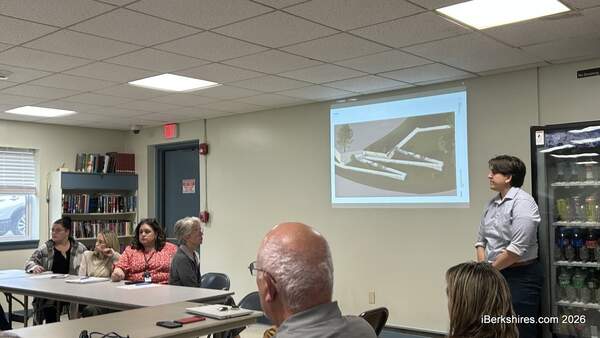
According to a 2023 presentation on the project, data collection focused on target populations including seniors, people with disabilities, rural residents, low-income residents, people who have been incarcerated, people of color, and English language learners.
The downtown, Crane Avenue, Cheshire Road, and Dalton Avenue areas reported higher numbers of households without internet, and those areas along with downtown, Morningside, West Side, Merrill Road and East Street areas reported a higher number of households with no computer.
A study on the relationship between housing authority properties and community anchor institutions, or public buildings, found that most were concentrated in the center of the city.
Tags: Internet,