Dalton OKs Mail-in Ballots for Feb. 3 Special Election
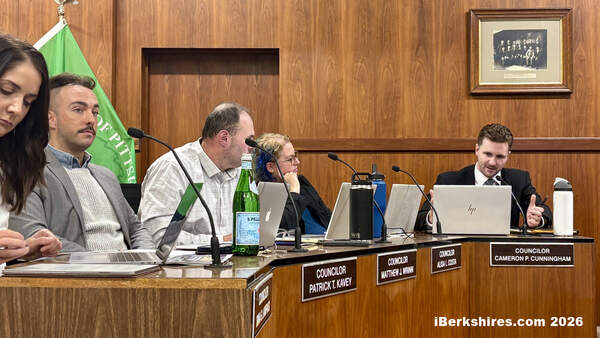
DALTON, Mass. — The Select Board voted to have mail-in ballots available for the Feb. 3 special election to fill its vacant seat if more than one candidate is on the ballot.
So far, two residents have taken out papers to run for the vacant seat — Richard Haley and Robert Collins.
Haley has submitted his nomination papers and has 26 certified signatures, and Collins intends to submit his papers on Monday.
Residents interested in running have until Christmas Eve, Dec. 24, to submit their nomination papers, which need at least 20 certified signatures.
Candidates have until Jan. 1 to withdraw their names from the ballots. Then, the ballots will be sent to the town's census vendor for printing.
If there is more than one candidate, the mail-in applications will be available online and in various town buildings, including the Senior Center, library, and Town Hall.
Voters can submit their application by mail, drop it off at the clerk's office, or drop it in the dropbox in front of Town Hall.
The vacant seat was left open when former member Joseph Diver stepped down on Oct. 1.
One of the concerns board members had when deciding to take no action on calling for a special election on Oct. 15 was the proximity to the holidays and winter weather that could lower voter turnout.
At the time of the meeting, board members felt mail-in ballots would improve voter turnout, especially considering older folks who don't go out in the winter, but would increase the cost of the special election.
The anticipated cost of this special election is about $3,800, not including mail-in ballots, according to Town Clerk Heather Hunt. The cost for mail-in ballots is about $1.02 per ballot.
Just days after the board's vote to take no action on calling a special election, a citizen's petition led by Collins was submitted on Oct. 18 and garnered 237 signatures from residents calling for the election. The petition had 223 certified signatures.
The board delayed calling the election during a meeting on Nov. 11 due to concerns regarding whether the proper legal procedures were followed.
Once the town’s legal counsel confirmed that the proper procedures were followed, the board called the special election on Nov. 25, setting it for Feb. 3.
Tags: special election,