Berkshire Health Group Sets 16% Health Insurance Hike for FY26
NORTH ADAMS, Mass. — Health insurance costs for employees in 25 towns and six regional school districts will rise by 16 percent in fiscal year 2026.
The board of the Berkshire Health Group on Monday morning voted to increase the rate for the year that begins on July 1 by that amount, a move that is sure to color budget conversations in all of the municipal entities that participate in the joint purchase group.
The 7-3 vote followed a lengthy discussion about the factors driving up the cost of health care, the impact those costs are having on similar municipal and private health insurance providers and the need to maintain a healthy reserve for Berkshire Health Group.
As recently as three years ago, at the end of fiscal year 2021, the BHG surplus stood at just more than $22 million. For the current fiscal year, it is projected to be a little less than $12 million, according to one of the documents presented at Monday's board meeting.
And higher costs continue to eat away at that number.
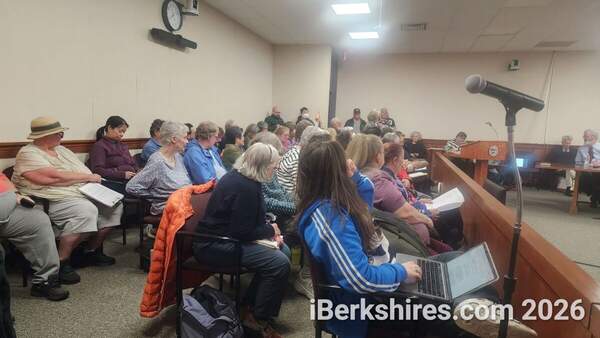
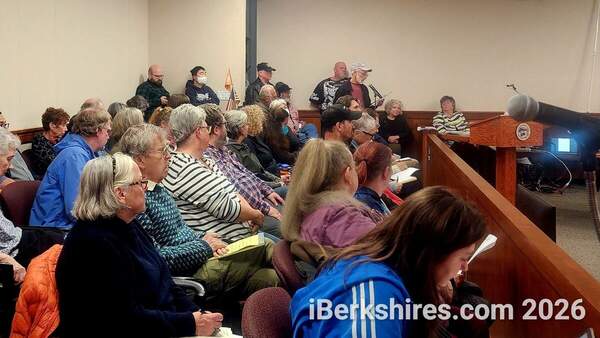
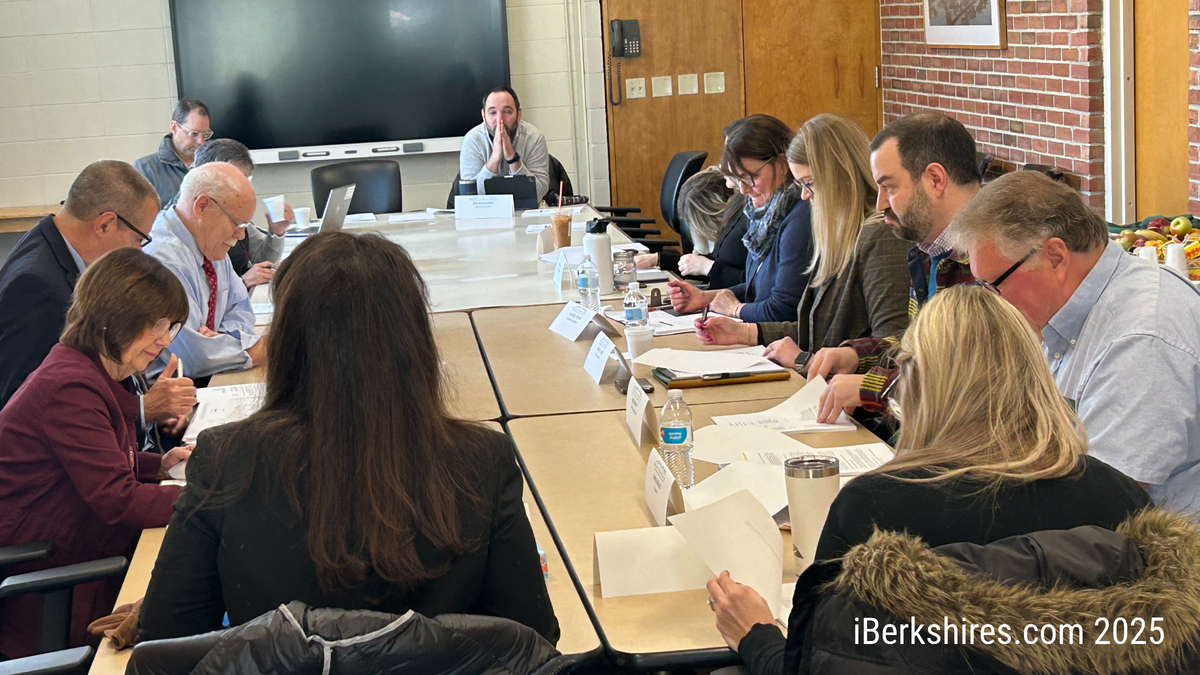
"The health fund lost over a million dollars in the month of November," BHG Treasurer Jim Kelley told the group assembled in the conference room at McCann Tech.
Kelley told the board that 15 or 20 years ago, the group had $5 million in investments, but after two consecutive years of seeing costs outrun premiums by around 20 percent, the group needed to send a special assessment to its membership during a fiscal year.
A representative from one of the group's members told Kelley at the time that paying the special assessment would require the school district to lay off four employees.
"In today's dollars, a 40 percent overage over two years would amount to $16 million [shared by the group's members]," Kelley said.
Another longtime member of the board, Northern Berkshire Vocational Regional School Superintendent James Brosnan told his colleagues that $8 million in reserves would be the "bare minimum" to avert potential problems during the fiscal year and $10 million would be a safer figure.
Gallagher Benefit Services, the insurance consulting service that advises Berkshire Health Group, presented the board with five potential rate increase scenarios ranging from a 10 percent hike up to a 16 percent hike.
At the low end, raising the premium by 10 percent would result in a projected loss of $2.2 million in the BHG trust. Each percentage point added to the rate increase would result in about $360,000 less in impact to the reserve, according to GBS.
The full 16 percent increase ultimately adopted by the board will result in no impact to the BHG trust.
Three of the 10 board members present for the meeting voted against the 16 percent hike: Ashley Satko representing Adams, Marlene Dileo of the Southern Berkshire Regional School District and Lyndsay Patenaude of Lenox.
Seven members voted in the majority: Chair Sharon Harrison of the Berkshire Hills Regional School District, Erika Snyder of the Hoosac Valley Regional School District, Brosnan, Greg Boino of the Central Berkshire Regional School District, Sophia Bletsos of Great Barrington, Rachel Vadnais of Williamstown and Joe Bergeron of the Mount Greylock Regional School District.
One municipality with a seat on the board, Lanesborough, did not send a representative to the meeting.
Twenty smaller affiliated units participate in the Berkshire Health Group but are not voting members.
After the vote, Patenaude said she was going to make a motion for a 12 percent increase but that another board member beat her with the vote on the 16 percent figure that then was discussed and voted.
Brosnan said he sympathized with the Lenox director of human resources.
"Lyndsay, I came into this meeting in the same vein until I looked at the numbers," Brosnan said.
Brosnan said the trend in the reserve was scary and made him nervous.
"I was shocked with your vote, Jim," Kelley, the treasurer, said. "You were there when I was there, and it got ugly."
"That was a frightening, gut-wrenching time," Brosnan said, referring to the special assessment.
Williamstown's Finance Director David Fierro addressed the board meeting from the floor to ask why Berkshire Health Group did not raise rates more gradually over time, suggesting it could increase rates 5 percent each year to avoid big jumps in a single fiscal year.
"It's hard when you're sitting on a $25 million reserve to talk about raising the rates," Kelley pointed out.
Harrison said that when the group had a $12 million reserve, it was getting push back about the rate it passes along to members. But she agreed the board should consider modest rates when they are not immediately needed in order to keep up with trends.
The 16 percent hike approved for FY26 is the highest in the last 15 years, but it is not completely unprecedented. BHG raised the rate to members by 15 percent for FY16 and 14.1 percent the next year.
Last year, the rate went up by 7 percent, two years after an FY23 hike of 8 percent that was accompanied by a one-month "rate holiday" for members that balanced out the increase.
Given a 0 percent increase in 2019, 2020, 2021 and 2022, that meant the rate did not effectively change for five years. In FY24 (between the 8 percent and 7 percent hikes), the rate rose by 1 percent, according to a chart presented at Monday's meeting.
Joseph Anderson of Gallagher Benefit Services and Heidi Fountain of Blue Cross Blue Shield of Massachusetts talked to the board about why costs for the group's insured members have risen so dramatically.
"Post COVID, the hospital and provider models changed," Anderson said. "A lot of people were leaving the industry. To keep people, they jacked up compensation."
Another factor cited was an increase in pharmaceutical costs and new drugs that have come to market.
In anticipation from questions at the local level about why Berkshire Health Group cannot find a cheaper solution, Anderson said there is "gnashing of teeth and wringing of hands nationwide" about spiraling insurance costs in the public and private sectors.
Anderson said the Massachusetts Interlocal Insurance Association recently set a 14.8 percent average increase in the commonwealth. And the state's Group Insurance Commission is also looking at a double-digit increase.
"It's a high inflationary market that is a level playing field, an ugly playing field," he said. "A lot of municipalities are going to be confronted with the same questions you'll be receiving. … In terms of where the better solution is, it's the same everywhere."
Kelley reminded the group that one of the smaller members of the group unsuccessfully tried to find a lower-cost option.
"One town left the group at one point because they got a teaser rate," Kelley said. "Then the rate jumped, and they ended up asking to come back, and we let them back in."
Tags: health insurance,