Pittsfield Releases First Cultural Plan
PITTSFIELD, Mass. — Arts are in the genetic makeup of Pittsfield, and now the city has a formal plan to support creatives and restore civic pride.
The first Cultural Plan was released in late June. A collaboration between the city, Berkshire Regional Planning Commission, and its nonprofit Berkshires Tomorrow, it recommends actions to "enhance Pittsfield's status as the arts and cultural hub of Berkshire County for the benefit of all."
This includes increasing the accessibility of arts and culture for all, supporting multi-modal ways of travel, expanding arts integration programs in schools, and helping artists earn a living wage.
An Our Town award from the National Endowment for the Arts funded the 42-page plan.
"Work on the Cultural Plan began in September 2023, when the four grantees (The City of Pittsfield Office of Cultural Development, Berkshires Tomorrow, Downtown Pittsfield, Inc., Berkshire Black Economic Council) first met to discuss the potential approach to the planning process," the executive summary reads.
"The group quickly expanded to include arts and community leaders, artist liaisons, small business owners, and the public — residents and visitors. Their generous contributions of time, energy, and ideas have resulted in a plan that is broad in its reach but specific in its goals and objectives."
The three main goals are: to restore civic pride by fostering a diverse arts and culture landscape where all feel welcome and included, to nurture residents' individual and collective ability to express themselves creatively, and to recognize and support artists and arts organizations as resources that enhance the community socially, emotionally, and economically.
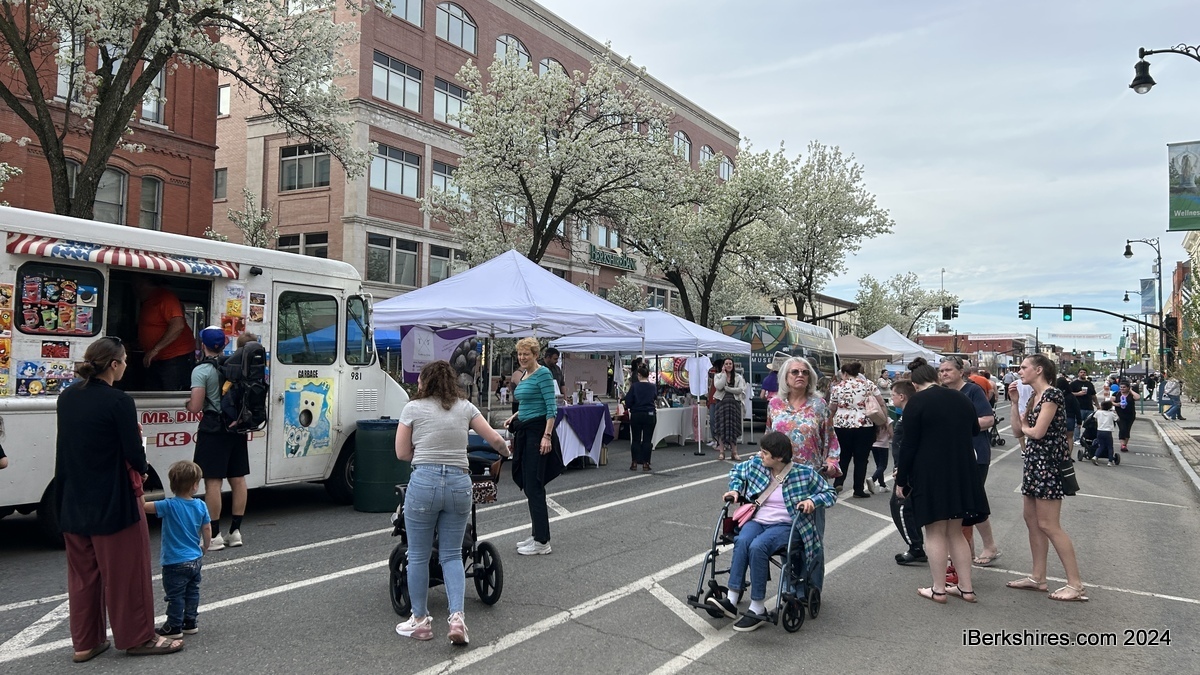
When people were asked to name an event in Pittsfield that was "especially memorable," nearly 30 survey respondents favored free, outdoor, communitywide events. First Fridays Artswalk, Third Thursday, and Berkshire Pride were identified as favorites, "While traditional sites like museums find it harder to connect with audiences emotionally."
"People generally like what is being offered culturally in Pittsfield but want more of it," the plan reads.
"They also want better communication about the Who, What, When, and Where about cultural happenings and need to know that they will be within their budget and happen at a time and place that they can accommodate."
Last year, Mayor Peter Marchetti combined the beloved Third Thursdays and the First Fridays Artswalks to create a First Fridays at Five event that blends arts and entertainment, shopping, and community engagement.
Throughout six phases, including developing a steering committee, surveys, and public outreach events for people of all ages, planners outlined several strategies to support each of the Cultural Plan's goals. It was noted that continued public input is welcome, as "A plan is not the end of the story; it is the beginning."
Early in the planning process, committee members and artist liaisons decided that accessibility and marketing are the top priorities, followed by affordability and housing. They found that Pittsfield's key challenges in this effort are past economic injury, a lack of affordable housing, cultural barriers, limited staff and resources, a lack of coordination among creative institutions, and low pay.
Planners identified a need for "arts-oriented" housing and recommended solutions such as a landing page for housing and jobs on the Love Pittsfield website and pursuing development funds through the state and philanthropic sources.
In Pittsfield, the average single-family home value has increased by 44.8 percent from FY21 to FY25, now valued at $295,292. According to Zillow, the city's average rent for all property types is around $1,450 per month.
Marchetti explained that "for generations, Pittsfield has made the arts central to its identity," citing the opening of the Colonial Theatre and Berkshire Museum in the early 20th century.
"In these last few years, art has become more important than ever to our collective experience by helping us make sense of world-changing events like a global pandemic for which few were prepared," he wrote in a letter included in the plan.
"For arts establishments, COVID-19 meant temporarily shutting their doors or shifting from in-person to online outreach at a time when we needed them most. Many questioned whether they would survive and wondered whether audiences would return when it was over. Thankfully, the answer is a resounding yes, admittedly with changes, including many for the better."
He explained that how people interact with the arts is no longer limited to theaters, museums, and galleries, and in this "fast-evolving landscape," Pittsfield needs a Cultural Plan now more than ever.
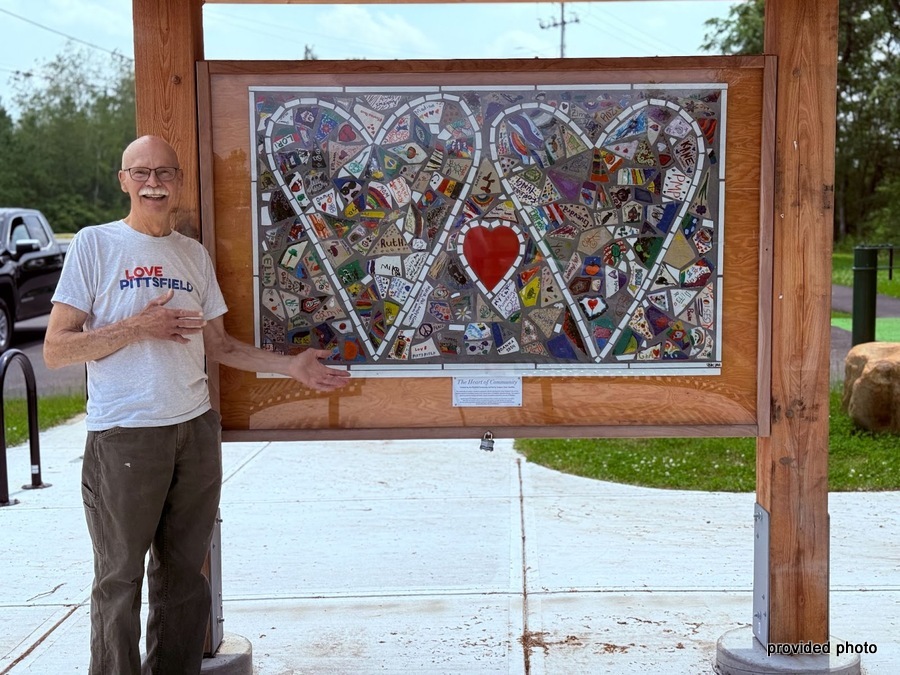
The Steering Committee, led by sculptor Peter Vacchina, also created a tile mural to stand as a symbol of community pride at an entry kiosk on the Ashuwillticook Rail Trail. Tiles donated from the Berkshire Habitat for Humanity ReStore were broken into pieces and decorated by community members.
"Through deep discussions over several months, Steering Committee members also identified that the community project should promote healing and restore good feelings about the city," the plan explains.
"This was heard repeatedly in conversations: a negative image of Pittsfield due to its history of economic decline and environmental degradation, which contributed to the city's difficulty reasserting itself as a positive place to live."
PittsfieldCulturalPlan_FinalExecSummaryConclusions by Brittany Polito
Tags: cultural development,