As Crowds Grow, Pittsfield Adapts to a New Era of Protest
Rallies have outgrown Park Square, the traditional First Amendment location, and now need special event permits for public parks.
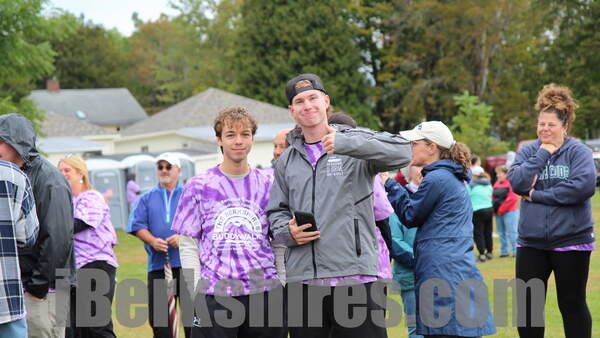
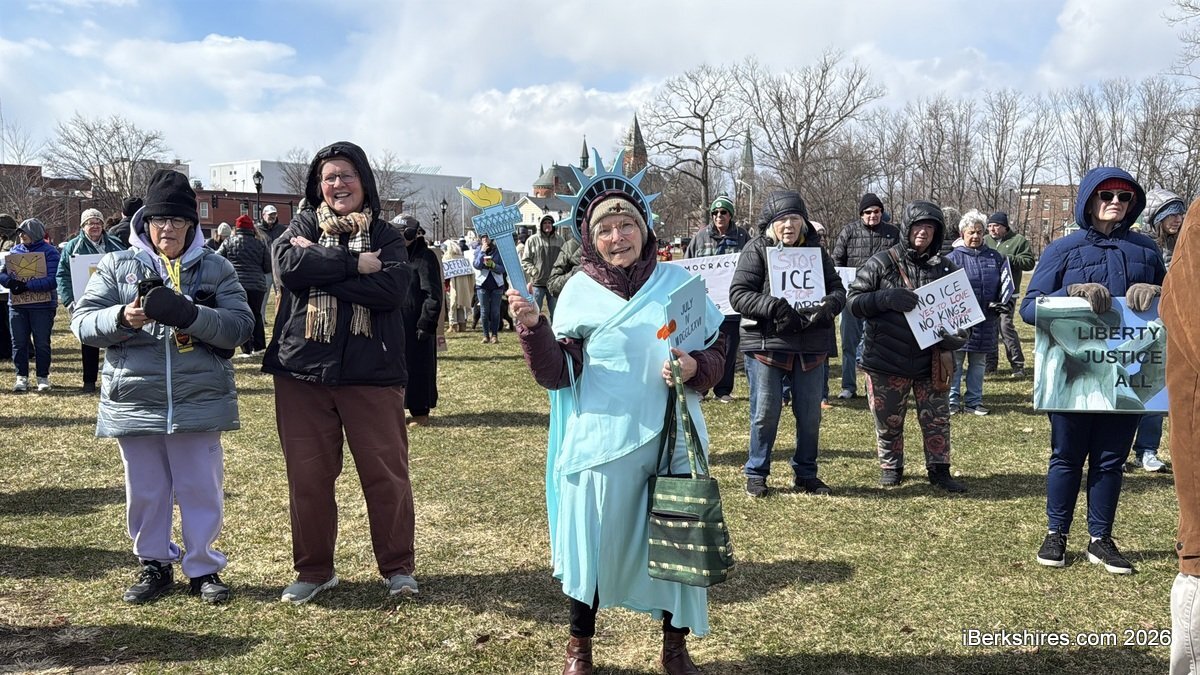
The most recent No Kings Protest drew more than 1,000 people to the Common park condemning President Donald Trump and his administration.
While the main sentiment has been to combat hate with love, sparks of tension have ignited requiring de-escalation, something Pittsfield's protest could not avoid with some combative language from onlookers and a vocal altercation requiring police intervention.
Additionally, the masses lining the streets to hold signs and shout for change requires traffic control on the busy First Street.
That had the city asking for this latest protest to apply for a permit and prove insurance, which had organizers calling foul. It was a government suppression of free speech, they said.
"According to the city solicitor, municipalities may require a permit, if the nature or size of the gathering requires local government services or crowd control," said Catherine VanBramer, director of administrative services and public information officer, when asked about the requirement.
"The No Kings rallies have grown overtime, and the last two events had more than 1,000 people in attendance. For safety, the most recent event required barriers to be set up and a police detail."
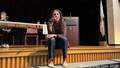
During the March 28 event, master of ceremonies Sonya Bykofsky criticized the city's guidelines when permitting events such as this when introducing one of the speakers, John Bonifaz, a constitutional attorney and founder and president of Free Speech for People.
Many places in the country have been "cracking down with harder and harder guidelines," restricting rallies where freedom of speech can be expressed, she said.
The city briefly was one of such places, telling the "little activist group of volunteers" they needed to get insurance to host the event, which would have cost "thousands of dollars," something event organizers couldn't afford, Bykofsky said.
When navigating solutions, organizers consulted Bonifaz, who told the activists that the insurance requirement was unconstitutional, Bykofsky said.
Upon being informed of that, the city withdrew the requirement, she said.
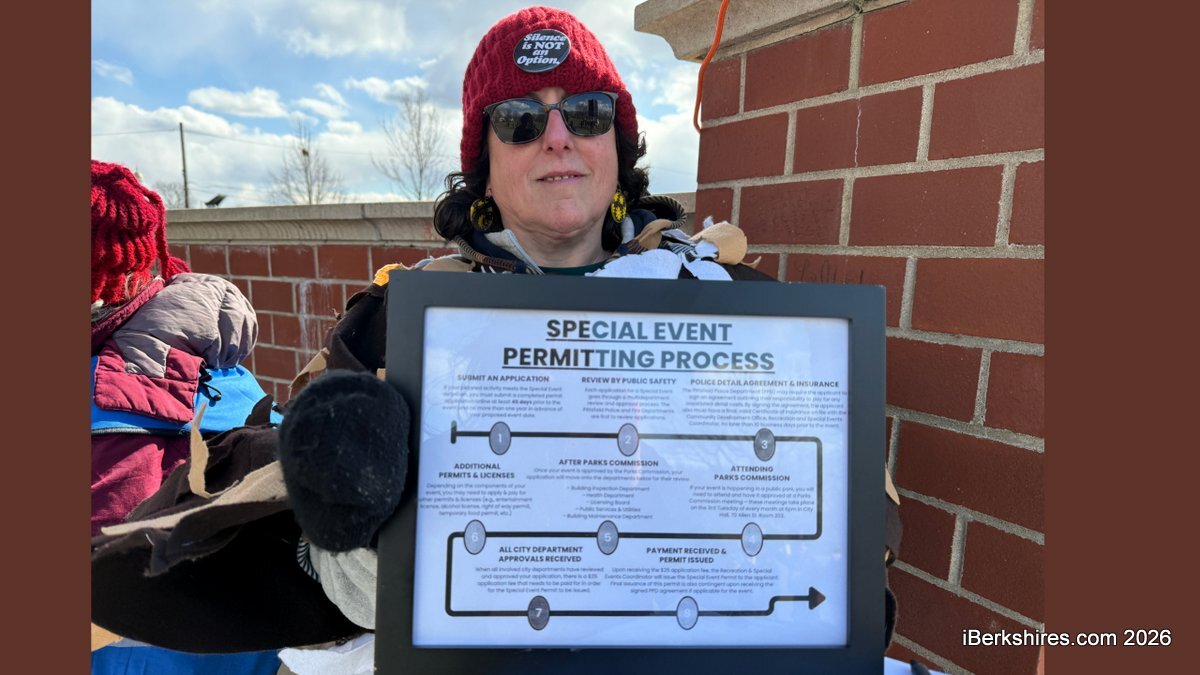
"We fought the city and we won, but it's because of Bonifaz … in [a meeting with the city] they broke out this flow chart of special event permitting process that goes from one to eight, and you can follow the chart to try and figure out what the hell you're supposed to do to be able to keep having your right to free speech," Bykofsky said.
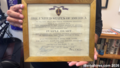
"Well, John, I want to present you with this freedom document of the flow chart that thank God we were able to say pound sand, too."
Contacted after the event, VanBramer explained that the city's insurance provider recommended that it review its insurance requirements to ensure adequate protection from property or personal injury claims related to public events, including rallies.
However, the city decided to drop the insurance requirement for the rally after organizer Robin O'Herin expressed concerns that blanket insurance requirements for all events, including First Amendment rallies, might impinge on the constitutional rights.
"City staff have met with the organizers of the No Kings Rally on several occasions to work with them on their applications for the various locations of their rallies. That process helped the city refine its Special Event Permit process which may continue to evolve," VanBramer said.
The insurance issue was resolved about two months before the rally, as the city and organizers worked through new challenges tied to larger events, state Rep. Tricia Farley-Bouvier said.
"I have so much respect for the people who are being thoughtful about strategic, hard working to put these rallies together, to keep them interesting and safe and with a lot of great energy," she said.
"It's important to work within the structure the city has set up, because the city has obligations. For example, first and foremost is to keep everybody safe. And secondly, when following the First Amendment, they have to allow for anybody who has a message to speak and to have rallies.
"So, I think the city has been outstanding in working with the various partners, and I think for the most part, the organizers are really pleased with their work with the city."
With the increased frequency of protest requests at Park Square, the city looked for ways to streamline the permitting process to improve communication between the various departments, she said.
However as the size of protests grew, organizers realized the need for more space, requiring more planning and coordination.
"I look forward to more. I'm really impressed with the people that come out and the joy that comes through this," Farley-Bouvier said.
"The antidote for what's happening, the way we're going to change this country, is for people to keep coming together in community and raising their voices, and when we do it with great joy, it's even better."
For Park Square rallies, organizers file a First Amendment rally application with the Mayor's Office. For rallies at The Common or other parks, organizers file a special event application with the recreation and special events coordinator. Events with music, food, tents, or alcohol may need extra permits from city departments, VanBramer said.
Since Oct. 21, 2025, the Parks Commission chair can approve urgent one-day First Amendment rallies at The Common if the full commission can't meet in time.
Any applicant seeking to hold an event in a city-owned space should first contact the city's recreation and special events coordinator to apply for a special event permit.
"First Amendment rallies are reviewed with heightened scrutiny to ensure that any event conditions do not impose content-based restrictions and permit participants to exercise their First Amendment rights," VanBramer said.
"The city has never denied a special event permit for First Amendment rallies, regardless of where they were held."
Tags: free speech, rally,