Hunger in the Berkshires Does Not Take a Holiday
When the holidays end and life settles back into its familiar routines, the surge of generosity that defines November and December inevitably begins to fade. The food drives quiet down, the festive meals are over, and the community's attention shifts to the next challenge.
Yet for thousands of our Berkshire neighbors, hunger remains exactly where it was before the holidays began. It does not ease with the passing of a season. It does not follow the calendar. It lingers quietly at kitchen tables long after the decorations have been packed away.
Hunger in the Berkshires affects working parents stretching every paycheck, older adults deciding between groceries and prescriptions, and children who depend on school meals through the long winter months. For many families, hunger is not a temporary crisis but a constant strain that often intensifies once the holidays are behind us.
The Numbers Behind the Need
According to the Food Bank of Western Massachusetts, an average of 25,324 Berkshire residents sought food assistance each month last year through one of the county's 39 local food pantries or meal sites. A statewide study by the Greater Boston Food Bank found that 39 percent of Berkshire residents are food insecure compared with 33 percent statewide. These numbers do not shrink after the holidays. In fact, winter expenses often push many families from "barely managing" into "needing help now."
Behind each number is a person doing everything possible to get by. A parent skipping dinner so a child can eat. A senior making a single bag of groceries last the week. Hard-working families who simply earn too little to keep pace with the rising cost of living in our region.
A Network of Hope
Fortunately, Berkshire County is home to an extraordinary network of food providers that operates with unwavering compassion throughout the year. Across the county, 21 food pantries, six meal sites, eight senior "brown bag" locations, and four Mobile Food Bank sites extend care and dignity to thousands of residents.
The Pittsfield Community Food Pantry serves more than 6,700 people each month through open pantry hours, grab-and-go breakfasts, prepared dinners, and home deliveries to 500 families weekly. In North Adams, the Berkshire Food Project serves hot meals five days a week to nearly 2,300 people, and the Friendship Center Food Pantry welcomes close to 1,000 residents every month. The Lee Food Pantry and the Berkshire Dream Center's mobile pantry ensure that families in smaller or more rural towns are not left behind.
At BCAC, our Food Depot coordinates weekly deliveries from the Food Bank of Western Massachusetts to pantries countywide. With transportation donated by Big Y, food reaches every corner of the county. Goodwill of the Berkshires and Southern Vermont also sends trucks of fresh groceries to some of the most remote areas. Together, these programs provide more than 2.6 million meals each year, yet the need continues to grow during the winter months when budgets are stretched the furthest.
The Economics of Hunger
The roots of hunger here lie in both economics and geography. The median household income in Berkshire County is about $72,500, compared with more than $104,000 statewide.
While housing costs may be higher in eastern Massachusetts, the income gap leaves Berkshire families with far less margin to absorb rising prices for groceries, heat, and transportation. The county's poverty rate of 12 percent is higher than the state average of 10 percent, and nearly one in six Berkshire children lives in a household struggling to get by.
But poverty and food insecurity are not the same. While about 12 percent of residents live below the poverty line, tens of thousands more hover just above it. They earn too much to qualify for assistance, yet too little to stay food secure. These are the families most vulnerable once holiday generosity subsides.
The SNAP Connection
The Supplemental Nutrition Assistance Program remains the most effective safeguard against hunger. Yet when temporary federal increases expired in 2023, households across Massachusetts lost about $151 a month on average.
For many Berkshire families, that reduction pushed them toward local food pantries for the first time. And after Congress passed a reconciliation budget expected to remove 150,000 Massachusetts residents from SNAP, the strain on local food programs is expected to intensify in the year ahead.
Carrying Compassion Forward
The holidays inspire generosity, but the real test of a community's compassion comes in the quieter months that follow. Hunger is with us all year long. The question is whether our commitment will last just as long.
Here is how you can help in the months ahead:
- Advocate for strong federal investments in SNAP and oppose reductions to benefits.
- Volunteer during the winter months when volunteer numbers drop sharply.
- Donate food, funds, or grocery cards on a monthly basis to help pantries remain stocked after holiday giving declines.
The Berkshires has always been a place where people look out for one another. That spirit is our strength. As we move into a new year, let us carry forward the compassion we show during the holidays and work toward a future where no one in the Berkshires goes hungry.
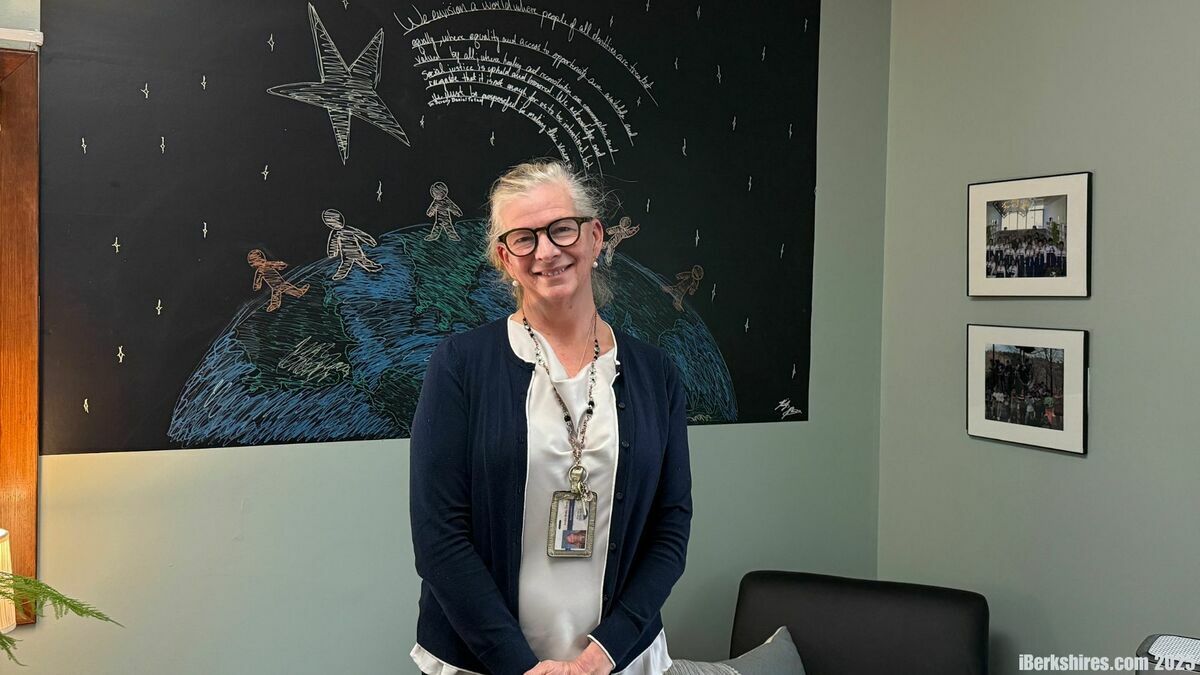
Deborah Leonczyk is executive director Berkshire Community Action Council.
Tags: BCAC, food insecurity,