Pittsfield ARPA Funds Have Year-End Expiration Date
PITTSFIELD, Mass. — American Rescue Fund Act monies must be spent by the end of the year, and Pittsfield is already close.
In 2021, the city was awarded a historic amount of money — $40,602,779 — in federal remediation funds for the COVID-19 pandemic. Through the end of September 2025, more than $37 million had been expended, and 90 percent of the 84 awarded projects were complete.
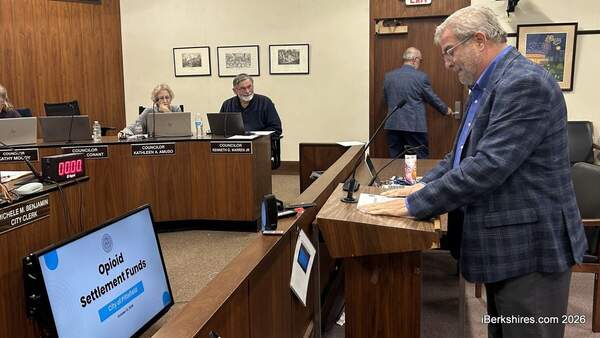
Special Project Manager Gina Armstrong updated the City Council on the ARPA funds during its first meeting of the new term on Tuesday.
As of September 2025, the $4.7 million allocated for public health and COVID-19 response has been fully expended. Additionally, $22.7 million of the $24.9 million allocated for negative economic impacts has been expended, and nearly all of the infrastructure funds, more than $5.8 million, have been expended.
Less than $3 million of the $3.7 million allocated for revenue replacement has been spent, along with about $873,00 of the $1.1 million allocated for administration.
Armstrong noted that in the last quarter, "Quite a bit more has been done in the areas of the housing projects." In 2022, then-Mayor Linda Tyer allocated $8.6 million in ARPA funds for affordable housing initiatives, and the community is eager for those additional units to come online.
Nine supportive units at the Zion Lutheran Church on First Street received more than $1.5 million in ARPA funds, the 7,700-square-foot housing resource center in the basement received more than $4.6 million, and the Westside Legends' home construction project saw more than $361,000 for two single-family homes on South Church Street and Daniels Avenue.
"This is just about complete, and I believe that people who are currently homeless or at risk of homelessness will be able to take these apartments in the very near future," Armstrong said, noting the supportive units and resource center that had a ribbon-cutting in late 2025.
The housing resource center offers a quiet lounge area, a commercial kitchen, laundry, lockers, bathrooms, and showers. It is described as a "critical resource" for community members during the day.
Sophie Tennenbaum, of the Wildflower Alliance harm reduction resource center on North Street, said it has been five days shy of a month since the event at The First, several major holidays when buses aren’t running, and that there are limited public bathrooms, and frigid temperatures.
"Let's not be complacent after a photo-op a month ago, please," she said during public comment.
"Complacency kills."
Ward 1 Councilor Kenneth Warren asked if there is an opening date for the facility and what the roadblock is.
Mayor Peter Marchetti reported difficulty with the elevators in the First Street and West Housatonic Street buildings, and said he would look into the delay and report back after hearing from the service organizations in charge.
"I think that's important and important that the public sees that we're pushing as hard as we can to get that open because, as we've heard, there's been some significant need there," Warren said.
Tags: affordable housing, ARPA,