Mass Wildlife: Why You Shouldn't Feed Wildlife This Winter
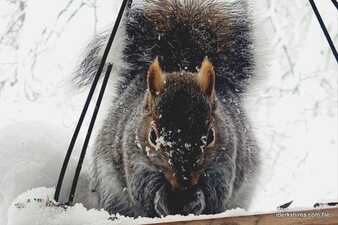 |
Each winter, MassWildlife receives inquiries from the public regarding whether or not to feed wildlife. While people have good intentions, supplemental feeding of wildlife typically does more harm than good.
Most wildlife seasonally change their behavior to adapt to cold temperatures and scarce food supplies. Supplemental feeding can alter that behavior and have detrimental, and sometimes fatal, effects. Wildlife in Massachusetts have adapted over thousands of years to cope with harsh winter weather, including deep snow, cold temperatures, and high winds.
Supplemental feed sites congregate wildlife into unnaturally high densities, which can:
- Attract predators and increase risk of death by wild predators or domestic pets;
- Spread diseases among wildlife or cause other health issues (e.g. Rumen acidosis in deer, Aflatoxicosis in turkeys);
- Cause aggression and competition over food, wasting vital energy reserves and potentially leading to injury or death;
- Reduce fat reserves, as wild animals use energy traveling to and from the feeding site;
- Cause wildlife to cross roads more frequently, therefore increasing vehicle collisions;
- Negatively impact vegetation and habitat in areas where feeding congregates animals.
Providing wildlife with food at any time of year teaches them to rely on humans for food, which puts them at a disadvantage for survival and can lead to human/wildlife conflicts. Once habituated behavior is established, it can be very difficult or impossible to change.
What can you do?
The best way to help wildlife make it through the winter is to step back and allow the animals' instincts to take over. To help wildlife near your home, focus on improving the wildlife habitat on or near your property, by including natural food and cover (e.g., some conifer cover and regenerating forest or brushy habitat). It is also important that wildlife populations are in balance with what the habitat can support.
Bird feeding
MassWildlife biologists advise against feeding wildlife, including birds. Bird feeders may increase mortality from window strikes and predation by pet cats. Supplemental feeding also congregates wildlife into unnaturally high densities, which increases the risk of spreading diseases. Bird feeders often draw wildlife other than songbirds closer to homes, including bears, coyotes, wild turkeys, and rodents. As an alternative, consider using native plants and water to attract birds to your yard.
Tags: MassWildlife,