Berkshire Planning Expects to Hire New Director in March
PITTSFIELD, Mass. — The Berkshire Regional Planning Commission received 10 interested applicants for the executive director position.
Thomas Matuszko plans to retire in March after decades of working with the organization. A search committee was established late last year to find his successor.
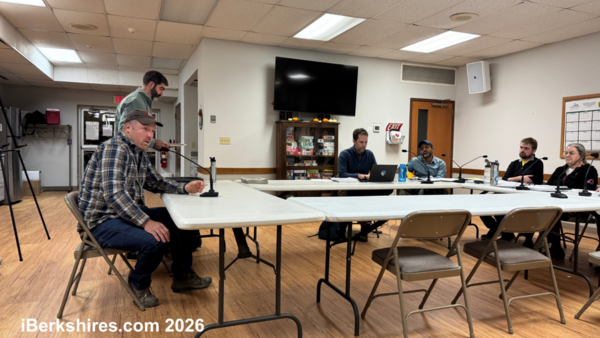
Lee delegate Buck Donovan reported on Thursday that the committee is working on time to get Matuszko enjoying his retirement and to be replaced by a "very qualified replacement."
"I think we're doing very well," he said.
BRPC received nine qualified applications so far for the position, which requires at least a decade of relevant planning experience and pays between $105,506 and $163,736 per year. One applicant didn't meet the qualifications.
Application reviews began on Jan. 10 and will continue until the position is filled, according to the job posting.
The search committee has met with three strong applicants for one-hour interviews, Donovan said, and was to meet with another two over the weekend. There will be a round of in-person interviews that will be open to the larger commission and general public before BRPC makes the appointment.
A timeline laid out by the Executive Committee last year planned the appointment on March 19.
The candidates will be asked questions prepared in advance. There was some deliberation over whether the vote would be taken during BRPC's regular March meeting or at a separate meeting.
The search committee did not disclose how many applicants would be considered for final interviews. Members pointed out that the regular meeting might be significantly longer if the appointment is among regular business.
Matuszko was appointed as executive director in 2018, having previously been a principal planner from 1997 to 2000 and then assistant director from 2001. The new director will be the fourth in nearly 60 years.
According to the job posting, the executive director is responsible for a wide range of professional, managerial, and supervisory leadership at BRPC: Maintaining and building organizational effectiveness and implementing BRPC's mission; continue enhancing BRPC's reputation within Berkshire County as a trusted resource of unbiased, professional information, and assistance and a key regional and state player; supporting the Commission members in discharging their duties in determining, establishing, and implementing BRPC policy and other related work, as required.
The executive director also represents BRPC on local, regional, and statewide committees and is responsible for managing the affiliated non-profit, Berkshires Tomorrow Inc.
Tags: BRPC, candidate interviews, search committee,