Pittsfield Cleans Downtown Litter, Works on Outreach Program
PITTSFIELD, Mass. — As the city develops a peer support outreach program, workers are clearing the downtown of potentially hazardous litter from the wintertime.
Over the past three weeks, the Health Department has sent out inspectors to assess sanitary conditions in the downtown, beginning on North Street, moving to First Street, and to the McKay Street parking garage.
"We've identified a lot of needles, and mostly needle caps and then small drug paraphernalia, and while we're identifying them, we're noting where we're finding them, and we're also picking them up and disposing of them properly," Director of Public Health Andy Cambi said.
"… We have not found any human waste sanitation issues currently, again, not to say that there isn't any, but I think it also speaks to the fact that we do have a new facility that's open, that's being run, The First, which does offer bathroom facilities, laundry facilities."
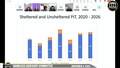
On Monday, he updated the Public Health and Safety subcommittee on the progress of the upcoming peer support outreach program and cleanup efforts in the area it will serve.
The First housing resource center opened in February in the basement of the Zion Lutheran Church with bathrooms, lounge spaces, lockers, and more. In its early days, it averaged about 50 visitors daily; on Sundays, an average of 70 visitors.
Cambi said he is in constant communication with ServiceNet, which is operating The First.
"It has been used heavily, so I think that speaks to the relief of issues that we're seeing in the downtown area in regards to those sanitation issues," he added.
"It's a great resource that's available that is being constantly used, so again, what it was intended for."
When the department comes across human waste, they will connect with Department of Public Works staff to have it cleaned and sanitized. Workers can make a clear distinction between pet and human waste, Cambi reported.
There was a community pickup downtown last week, and the city wants to ensure that work is maintained after the thaw from the winter months.
Ward 5 Councilor Patrick Kavey suggested implementing public needle disposal boxes, recognizing that Pittsfield cannot curb drug addiction but can offer people resources.
"I've been in quite a few other places that have them in their downtown, and it's an issue that you face everywhere, so I think it would just make sense," Kavey said.
He also suggested public hand sanitizer stations.
The city is reportedly identifying high traffic areas for such infrastructure, the legality of it, and where the outreach program will be focused.
"If there are specific high traffic areas that we're seeing, again, maybe that might not be the day to cover the addiction, but it might be the day that we can discuss the needle exchange programs, that we can discuss about disposing them at places like Berkshire Harm Reduction," Cambi said.
The now-scrapped "camping ordinance" was sent to health officials in September 2025, and replaced with a proposal for a peer support outreach program designed to build trust, improve service connection, and support safer, healthier community conditions across Pittsfield.
The Board of Health recently discussed a logic model provided by the University of Massachusetts' Center for Program Evaluation and identified metrics for the program's first year. The pilot program is expected to launch in the summer.
Utilizing opioid settlement funds and grants, the department will advance the community health worker to a supervisory position for the two new staff members. The team will work with community partners and municipal departments to conduct outreach and follow-ups on the streets, ensuring that people don't fall through the cracks.
Cambi reported that the job descriptions are finalized and have gone to the Human Resources office, adding, "I'm happy to report that we are moving along."
"We're in a really good place, and you're rolling it out fairly quickly," Councilor at Large Alisa Costa said.
The Pittsfield Police Department bathroom is open overnight for public use.
Tags: cleanup, health & wellness, litter,