Pittsfield Subcommittee Supports Tax Incentive for St. Joe's Project
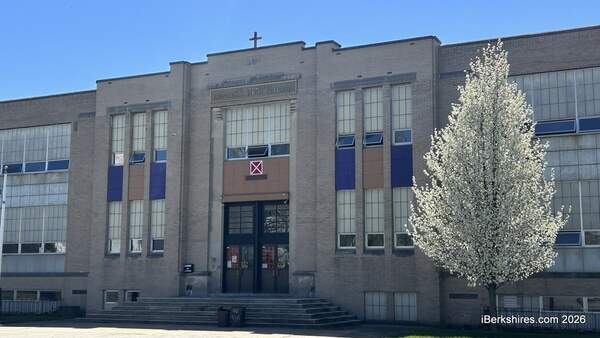
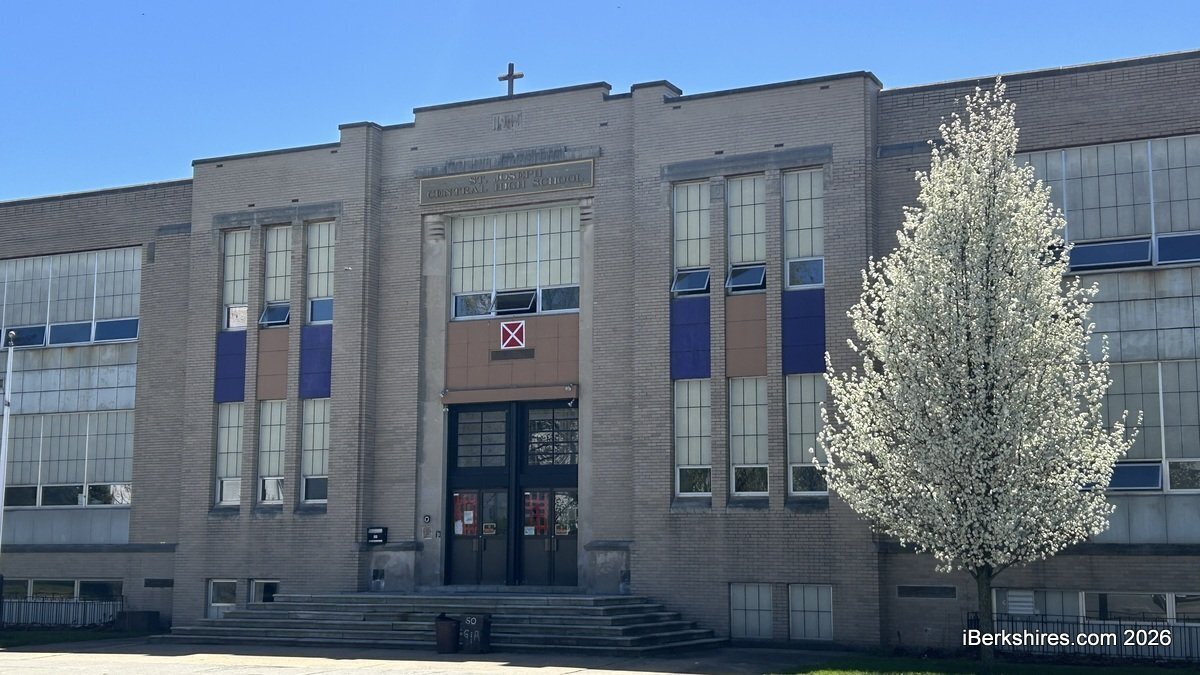
PITTSFIELD, Mass. — The developer of the former St. Joseph's Central High School dreams of a glass rear that floods light into the auditorium and allows for more parking.
On Tuesday, the subcommittee on Community and Economic Development unanimously supported a proposed 10-year tax increment exemption agreement to redevelop the former Catholic high school.
They heard details about the plan to convert the shuttered school into a 70 percent residential, 30 percent commercial building with 20 percent of the 19 apartments designated affordable. It is expected to be an 18-month project once begun.
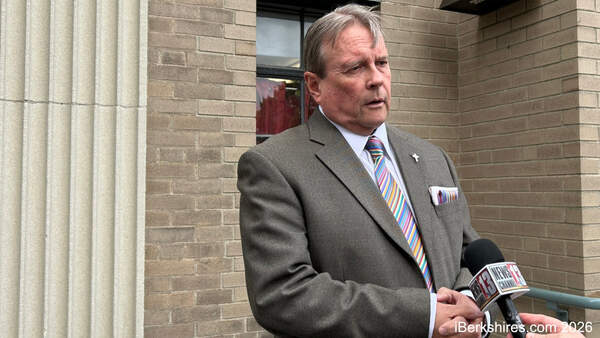
Over the last decade or so, developer David Carver, of Scarafoni Associates & CT Management Group, has been involved with several overhauls of churches, school buildings, and even a firehouse into apartments.
"I've always been interested in older historic buildings, especially in downtowns, and as the economy changes, we know there are lots of older buildings, worthy buildings that need a new life, and I've always found it interesting and a challenge to save them and turn around," Carver said.
"Most of these buildings, I will say, are generally better built and more attractive than some of the new buildings that are built everywhere, and I've always been drawn to that, and it's almost like public art to me."
In 2017, the 120-year-old school ceased operations. After the COVID-19 pandemic hit, it sheltered people without homes before The Pearl, a 40-bed downtown shelter, was finished a few years ago.
The TIE would freeze the current property value base, starting at 100 percent forgiveness in the first year, decreasing by 10 percent annually over the agreement's 10-year period.
The base value of the property is about $322,000, paying about $39,000 in annual taxes. The developer plans to put more than $8 million into the site, bringing its market value to about $2.9 million after completion.
With the TIE, more than $573,000 in taxes will be paid over the ten years, and the owners save about $178,000.
Carver reported that he has been authorized to disclose that they are in "serious" discussions with the nearby Berkshire Family YMCA to expand their childcare activities. In concept, he said it may work "really, really well."
"While we immediately designed apartments for the upper level, we weren't quite sure what to do with the lower level, not quite appropriate, in my mind, for housing in that particular location, so we struck up a conversation with them, and it looks like it may be a good fit," he said.
"There are a lot of things that need to come together to make it final. One of them is what we're talking about tonight."
One element that planners are trying to make work in the design is the reuse of the auditorium in the core of the school. Carver's dream has always been to make it an amenity for people who live there.
"We're going to take the back of the building off for two reasons: One, it's going to allow us to build a glass wall that floods the auditorium with light. It also provides parking in the back.
"The church, as they sold off some of the other properties, they left that giant building with essentially no parking, and one of my rules in building market-rate housing is at least one to one on parking, and I think we've achieved that with a plan that we will propose in a site plan review with the city."
Director of Community Development Justine Dodds explained that the exemption is really just a deferral of the increase in taxes and is not a subsidy or diverting public funds.
"The base value will remain the same. The developer will pay those property taxes on that base value throughout the length of the TIE, which, in this case, is 10 years, and what we're doing is we are deferring a portion of what would be charged once the $8 million were invested, and those units were up, rented, and generating income," she said.
"…The real benefit, as you know, is really not necessarily the city investment, but it is the state tax credit that they would be available to apply for, and that can go up to $2,000,000."
The state requires a local incentive to be approved before developers submit an application to the Executive Office of Housing and Livable Communities.
Councilor at Large Pete White said when he learns Carver is involved with one of these reuse projects, he is confident of his track record and ability to preserve the classic aesthetic of buildings while renovating them.
"It's an easy project to support, especially when it leverages more funding from the state, which is the really important part," he said.
Dodds said the building has some "real deep community roots" in Pittsfield, pointing out that she and another person in the room are alumni of the school. The property has further deteriorated since the shelter left.
"Although it's not on the National Register as a historic building, it has deep roots in the community, and it is a historic structure to us," she added.
"We're preserving something and making it sustainable for future generations, and that's sustainable development, right? We're encouraging development where we already have the infrastructure to support it in the downtown, where we already have the buildings and the space to do that."
Tags: Finance Committee, housing, school reuse,