Berkshire Sheriff Hoping To Build 'Pre-Release Center'
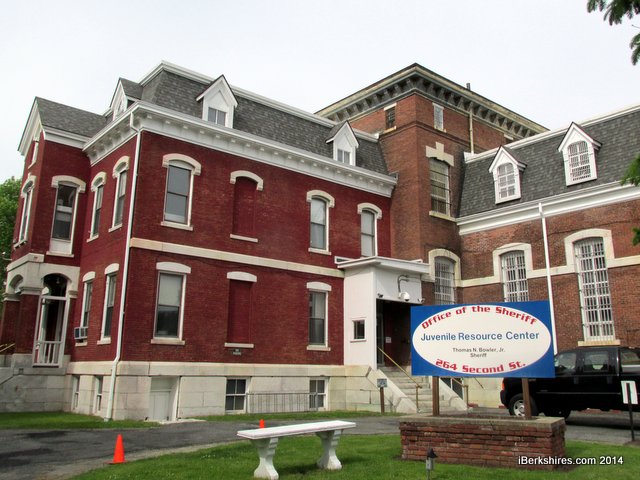 The former jail on Second Street will house the program by the end of this year, but eventually, Bowler is hoping to build a new facility. The former jail on Second Street will house the program by the end of this year, but eventually, Bowler is hoping to build a new facility. |
PITTSFIELD, Mass. — The Berkshire County House of Corrections is one of the few in the state that does not have a separate building for those on the verge of reintegration.
But, that might change.
By the end of the year, Sheriff Thomas Bowler will open the Second Street jail to house a dozen or so inmates who are nearing the end of their terms and have become ready to go back into the community.
The state House of Representatives has included funds in the capital bond bill to build a brand-new center — housing up to 50 — at the Berkshire County House of Correction property.
"These are inmates that have shorter time left on their sentences and have achieved a great deal of their goals in here," said Bowler during an interview on Wednesday.
Currently, there are inmates who have full-time jobs in the community. They wake up, get transported by deputies to their jobs, and at the end of the day are picked up and brought back to the jail.
But that is both a security risk and a negative psychological effect on the inmate who has come so far in reintegration programs. As Bowler puts it, "it is sending mixed messages."
"We are one of the few that doesn't have [a pre-release center] and it is tough. They come back to the razor wire and all of this," said Deputy Superintendent Brad Little.
The goal of the sheriff is to not see the same faces over and over again. Bowler has been boosting interactions with the community — such as work release and community service. A pre-release center is aimed to help inmates find that missing piece before re-entering the community.
Bowler says the two biggest obstacles for inmates on release is work and housing. This program helps particularly for the working aspect but also provides help for other aspects as well.
For example, by having a job while still being incarcerated at the pre-release center, the inmates can save up for more permanent housing, pay off court fees or catch up on child support payments before they get out. Others can go to school to finish up certification or General Educational Development programs so they'll have the opportunity for work once they are released.
"Our job is to reduce the number of repeat offenders," Bowler said. "Our whole focus and goal is to reintegrate someone back into the community a better person than when they came in."
Before getting to that point, the inmates have to complete programs inside the Cheshire Road building. Those programs are aimed to address the reason the individual committed the crime. For some it is drug abuse treatment, for others work and for others counseling or mental health treatment.
They begin addressing the personal problems and once they've hit benchmarks laid out by a risk assessment team, the inmates are qualified for work release. Staff helps them with resumes and dressing for the occasions.
"For the most part, it is entry level work," Little said.
They can now graduate to the Second Street facility and can work or go to school until they get out. The sheriff's office hopes that eventually some 30 to 50 inmates could be involved in pre-release programs at the site. Currently about that many are in work release programs.
Bowler said the Second Street jail only needs some cosmetic work to start housing inmates there. The former jail was most recently used as the Juvenile Resource Center through the Pittsfield Public Schools that must move.
Then, the sheriff's office will start organizing their programing and hiring the additional staff needed — staff that is somewhat dependent on the state budget.
"We are going to have a 24/7 presence for security," Bowler said, adding that "there has always been an inmate population at that facility because they maintained the grounds."
But, the distance between Cheshire Road and Second Street does hinder the program.
Bowler said ideally there would be a separate housing building for the pre-release inmates on site so such things as administering medication doesn't require extra staffing.
State Rep. Paul Mark has filed an amendment in the state's capital bond bill to build the new structure. Bowler estimates that to build the site holding 30 to 50 beds would cost $2.5 million, based on the costs in other communities.
With the extra pre-release beds, Bowler says the "step down" program could be expanded. The Berkshire County House of Correction has been part of a pilot program that brings those sent from the Berkshire courts to state prisons back to the House of Correction before being released.
This program allows those offenders to utilize the connections and short-term programming the Sheriff's office has developed that the state prison doesn't have.
Tags: inmates, jail, sheriff,