Pittsfield Sets Tax Rate; Holds Back Money For Reserves
PITTSFIELD, Mass. — The average single-family homeowner can expect to see his or her tax bill rise by 3.98 percent.
The increase is slightly more than anticipated after the City Council opted to keep more in reserves than previously approved. In crafting the budget, the City Council chose to use $2.25 million of the city's certified free cash to offset the tax rate. On Tuesday, however, the council took back $750,000 of that to save for future years.
The drive to keep more in the coffers stemmed from the fact that the city's tax ceiling is now lower than the tax levy limit, meaning the city's ability to tax could be limited in a few years if property values stagnate.
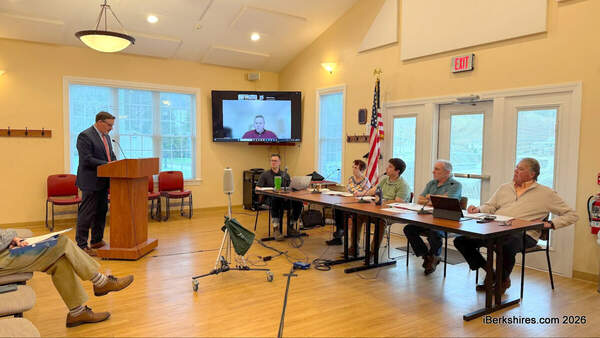
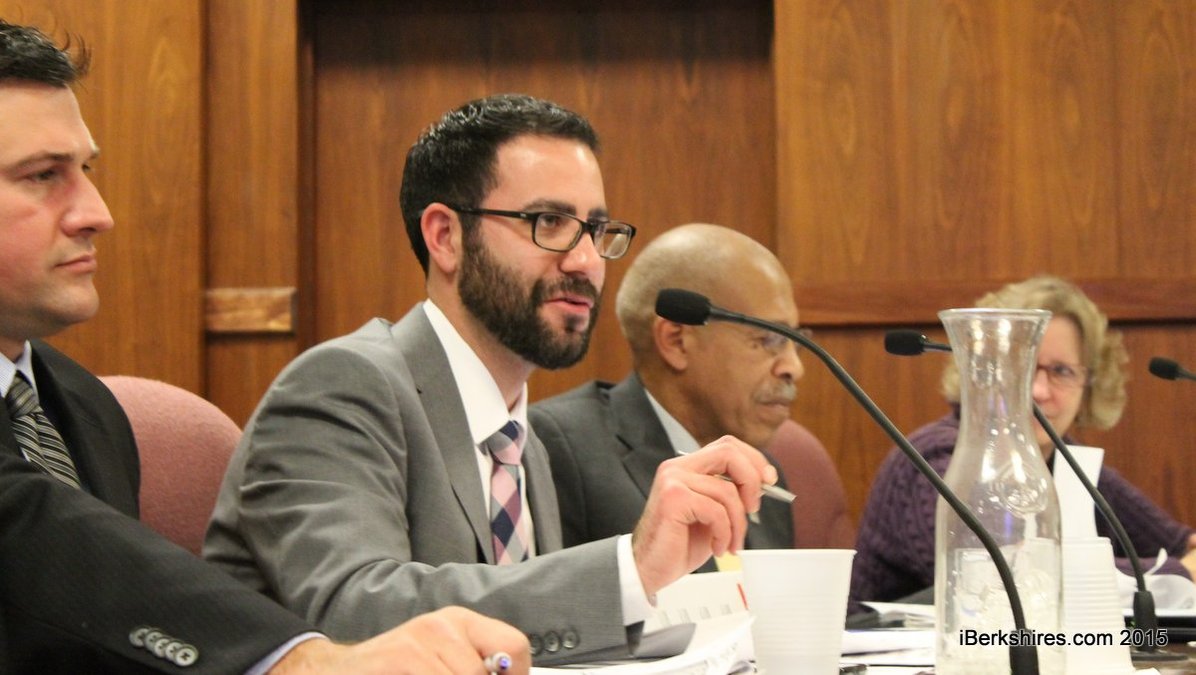
"The budget in four years from now will still need to go up but we won't have the ability to tax anymore. We will be at that ceiling," said Councilor at Large Barry Clairmont, saying that the budget will continue to rise while the ceiling would remain around the same amount. "My big concern here tonight is the future."
Essentially, Clairmont says four years down the road that free cash reserve could be needed to maintain services because the city won't be able to raise taxes. Because of the new ceiling the city lost the ability to raise additional taxes of about $1.7 million in the last year, he said.
According to Director of Finance Susan Carmel, the city will receive between $4 million and $4.5 million in certified free cash, which is unspent money from previous years that the state certifies after closing the books and other additional revenues. That total is about as much as the city received last year but was buoyed by a tax title sale.
By reeling back $750,000 from the previous year, that total will rise. Carmel said the city should keep between 3 to 5 percent of the city's budget worth in that account.
Clairmont worked his way up until he got the votes needed. He started by pushing for the city to use just $870,000 in free cash to lower the tax rate and keep some $1.5 million more in the account — pushing the percentage closer to 5 percent of the city's budget.
Mayor Daniel Bianchi opposed that, saying it would force residential homeowners to pay too much.
"When we set the budget, a majority of you approved the use of free cash at $2.25 million, that would mean a 3.5 percent increase to the taxpayers. You are jumping from 3.5 percent to 6 percent," Bianchi said of that first proposal. "A 6 percent increase to residential is significant. It is a significant impact."
Bianchi called for using around $2 million in free cash to offset the tax rate instead. He sought to find a compromise with the City Council between the first $2.25 million number and $1.75 million, which is what he said he was told the council wanted.
Other factors in the free cash discussion included the looming Taconic High School project in which too low an amount of free cash could negatively impact the city's bond rating, property values remaining level in recent years, and that opportunities to rebuild the account through another tax title auction wouldn't be as effective.
"We are at this critical junction that we need to address. I really feel we need to look at all options of cost savings so we can maintain services," Vice President Christopher Connell said.
The compromise came at using $1.5 million to offset reserves and pulling back $750,000 into the free cash account. That change set the tax rate at $18.76 per $1,000 of value for residential property owners and $38.07 for commercial owners. As first proposed with using $2.25 million, the residential rate would have been $18.70 and commercial would have been $37.27.
The new rates represent a 70 cent increase on the residential rate and $1.44 increase on the commercial rate.
The average residential home is valued at $176,234, which means a 3.98 percent increase on the tax bill for $126.42. An average commercial property valued at $517,000 would see a $1,193 increase or 6.44 percent.
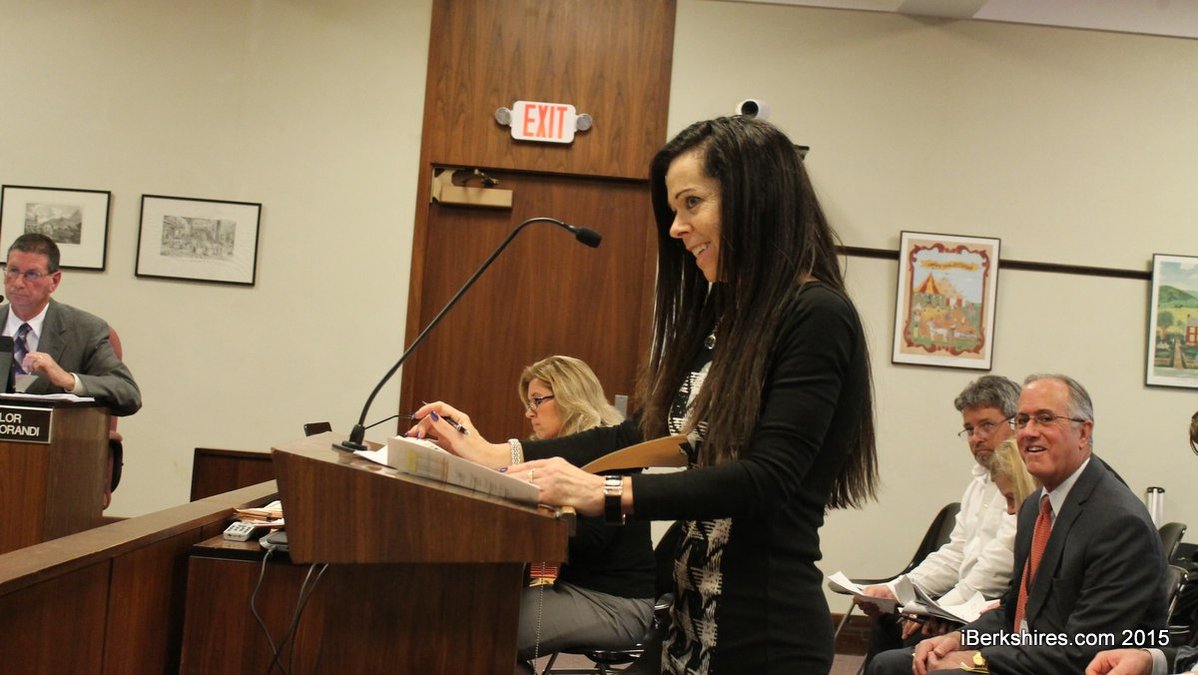
But, Carmel and Paula King, chairman of the Board of Assessor, said commercial properties have such varying values that an average isn't very helpful. The median commercial property is valued at $199,000 so the increase isn't nearly as dramatic to the majority of business owners, she said.
Overall property values increased by .34 percent for a total increase of $11 million to the tax rolls. Carmel said she'd anticipate values to remain somewhat level for the next few years.
Many councilors said debate over the free cash levels doesn't solve the problem but instead budgets need to be reduced to ease the tax levy. The tax rates are set to raise the needed $76 million approved in the city's budget.
"I have tried for over a year to look at our budgets, review our budgets, and reduce our budgets," said Councilor at Large Kathleen Amuso. "We have to have a full overview of the city's budget. ... If there isn't growth, there has to be some reduction."
Amuso said department heads should start looking to cut budgets to ease the tax burden in the future.
"The time we should be preparing for the future was last June. When the budget was brought forward, that was the time," said Ward 7 Councilor Anthony Simonelli.
Carmel, however, said the budgets are already lean. In recent years, the amount of unspent funds in the budget lines have been nearly cut in half as the costs to operate have risen at a rate faster than budgets are increasing.
"There is no fat in those budgets. Those budgets are lean," Carmel said. "We already have very thin budgets."
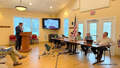
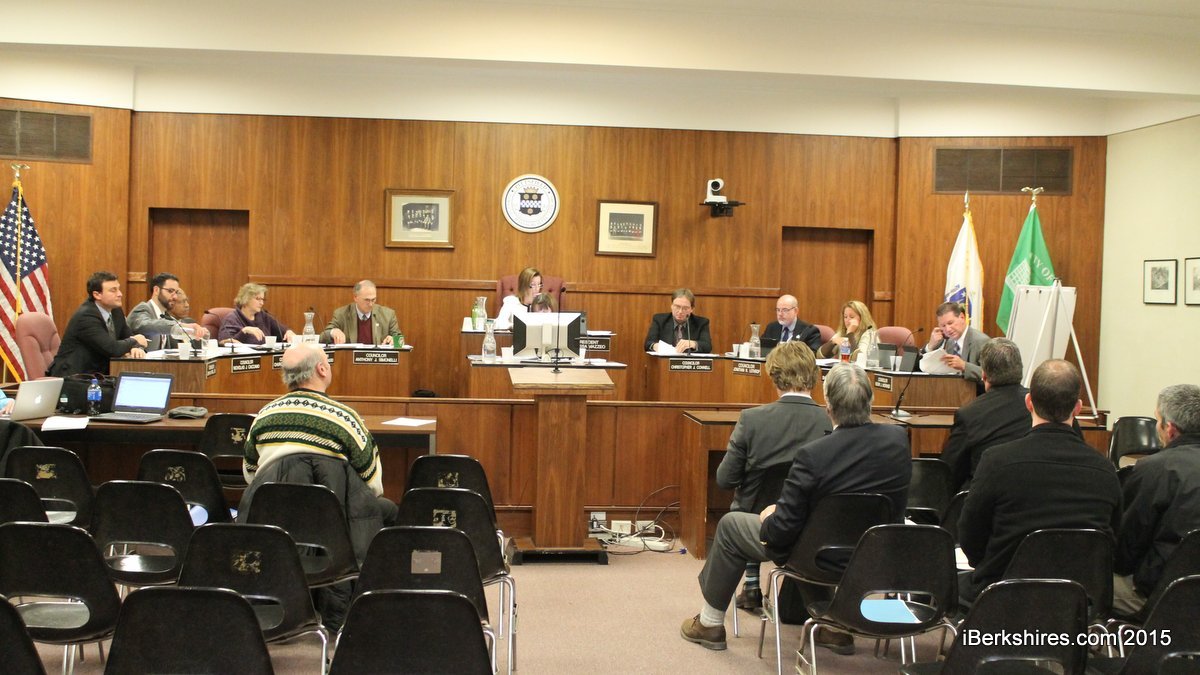
Nonetheless, the new tax rates were set with a 9-2 vote, with Simonelli and Ward 2 Councilor Kevin Morandi voting against it.
Tags: fiscal 2016, property taxes, tax classification, tax rate,