North Adams Committee Mull Airbnb Impact on City
NORTH ADAMS, Mass. — Lodging in Northern Berkshire is caught between feast and famine.
There's no room to be found during the summer and high-traffic weekends; in the winter and shoulder seasons, rooms go begging.
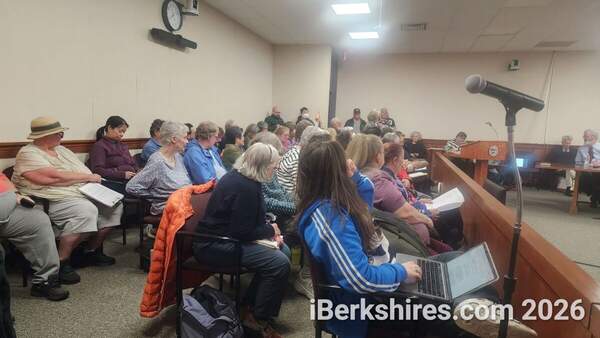
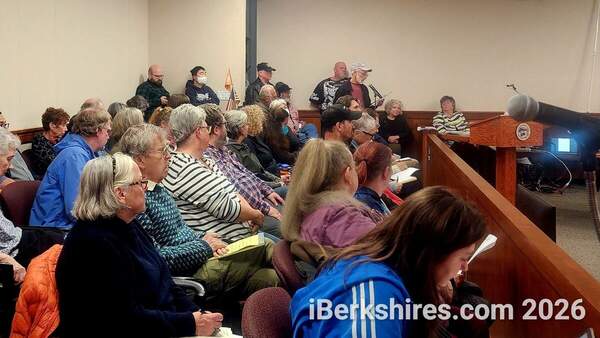
It's a conundrum that city officials are keeping in mind as they grapple with the growing shared services economy and proliferation of online room rentals, a topic at a meeting Wednesday at City Hall.
"We trying to make sure we're prepared for everything," said City Council President Benjamin Lamb, chairman of the council's ad hoc committee instituted to determine how to deal with the new economy dominated by the likes of Uber and Airbnb. Also attending were committee members and Councilors Lisa Blackmer and Eric Buddington.
Joseph Thompson, director of Massachusetts Museum of Contemporary Art, thought options through services like Airbnb can help alleviate the "radical ups and downs" of the hotel business in the area.
"Anything we can do to make it easier for people to stay the night is good on balance in my view," he said.
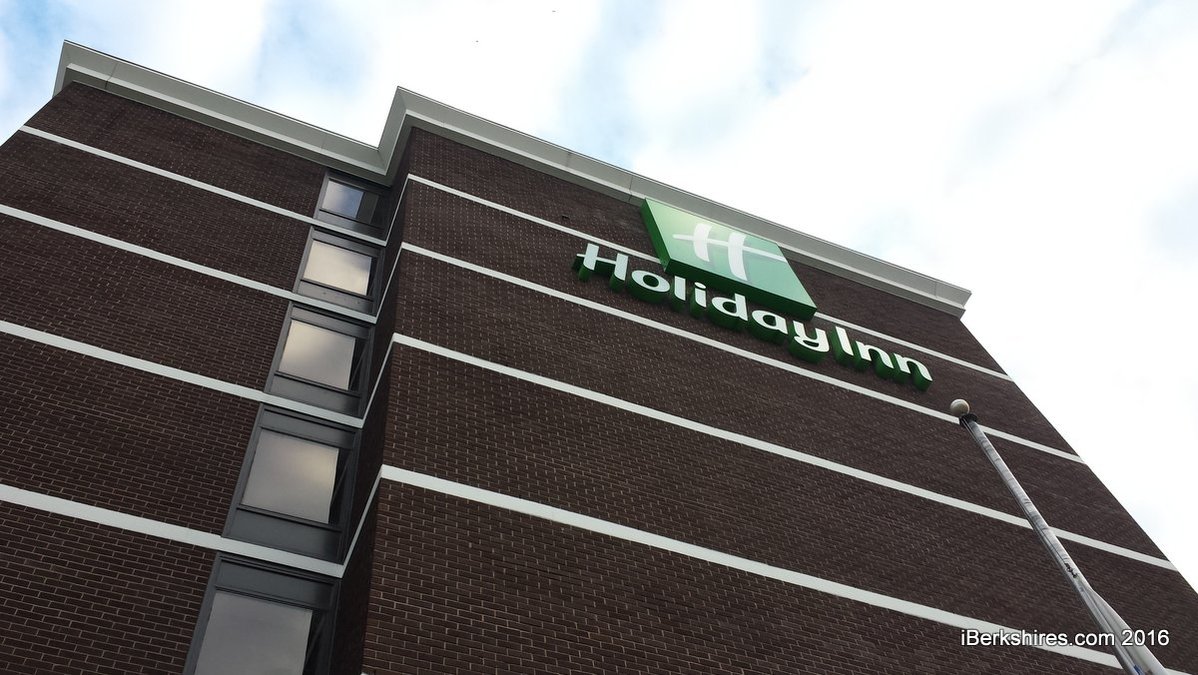
Local innkeepers had a somewhat different take, while acknowledging that residents renting out rooms can be helpful in a crunch. But, they don't have "to jump through the hoops" that regulated hotels and motels have to, said the Holiday Inn's general manager Linette Searcy.
"We have inspections, training ... there's a lot more training that goes into what we do as a professional business than goes into someone trying to make a few bucks," she said.
"I would never give somebody a key to my house and say come on upstairs. ... Things like that scare me to death."
The ad hoc committee had first looked at the broad concept of shared services, the second on code enforcement. On Wedneday, it met with several hoteliers and innkeepers to get their perspective on the issue.
Porches innkeeper Mel Karakaya and Blackinton Manor innkeeper Lesa Bennett echoed some of Searcy's concerns.
"We spend money on our property," said Karakaya. "If they do not have any regulation for thee people, they can make money tax free ... I think there's a lot of responsibility on cities to regulate that."
Thompson has been a continual proponent of encouraging overnight stays, saying the each tourist's overnight stay has a five to eight times the economic impact of a day-tripper.
"One of our jobs in way is to fill rooms and plenty of time there's capacity ... sometimes we reach real capacity limits," he said, particularly during peak October weekends and college events. "We feel that when we're having big events ... [room capacity] is a constraining factor."
The capacity at each of the represented inns about about 120 at Porches, 250 at Holiday Inn and 12 at Blackinton. But the innkeepers noted that's when guests are complying with the rules; it was easier to police Blackinton with its five rooms than the Holiday Inn with its 90.
"On the one hand, we'd love to have more inventory, it would hosting people much easier," Thompson said. "But we realize there is excess inventory ... it's a bit of a conundrum that is nicely filled by Airbnb, when people open their homes."
But Searcy wondered where those "300 rooms" are that are listed as being in this area.
"If those 300 rooms go away, that's 300 more rooms for us ... that means we're hiring people and paying more taxes," she said.
Karakaya added, "there is no way to know how many rooms are being booked. ... They have no regulation so nobody knows the impact."
There are events — such as Solid Sound Festival and the Williams College Reunion weekend — that fill up rooms fast. Bennett said functions are booked well in advance at her inn.
Lamb, who has used Airbnb in the past, said the online booking company sends a 1099 to home owners if their rentals hit a certain mark. Whether the city is notified is questionable.
Blackmer, current president of the Massachusetts Municipal Association, said the committee didn't want to get too deep because several pieces of legislation are currently making their way through the State House.
It comes down to safety, taxes and zoning, she said, anticipating Beacon Hill will first look at taxation. But she wondered how North Adams, or any city, would be able to keep up with regulating private homes.
"If we have 300 rooms, do we have the capacity at the city level to do all the inspections?" she asked.
"I don't think the Berkshires has the capacity to enforce all these things," responded Lamb.
Tags: health regulations, motels, hotels, rooms taxes, sharing service,